
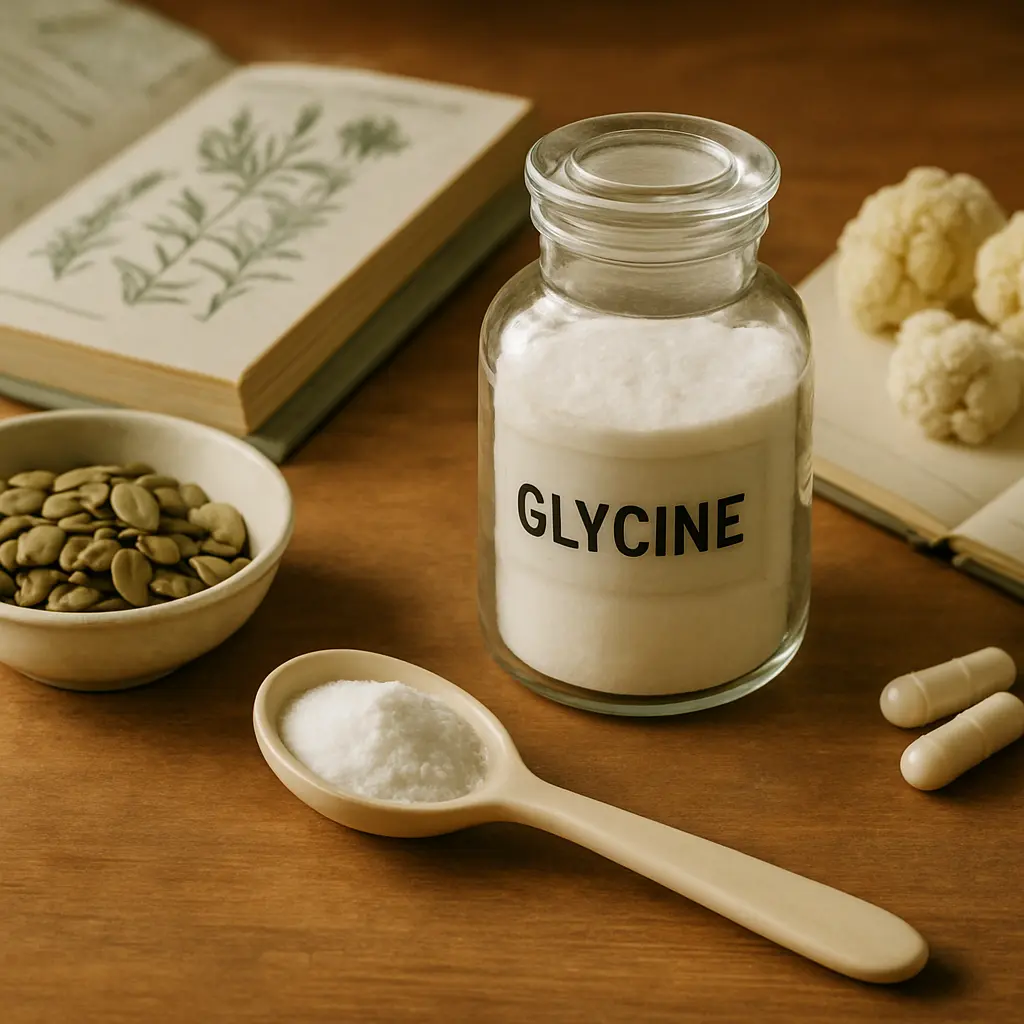
The Essential Role of Glycine: A Comprehensive Guide
In this page
Glycine, the simplest of the amino acids, plays a pivotal role in human health and biochemistry. Its unique structural properties allow it to contribute to various metabolic processes and protein formations. This article delves into glycine’s discovery, its biological significance, dietary sources, and potential benefits of supplementation. We will explore how this amino acid is integral to various bodily functions, from neurotransmission to collagen synthesis, and how it can be optimally included in a healthy lifestyle.

Scientific Background and General Context
Glycine was discovered in 1820 by French chemist Henri Braconnot during his work on the breakdown of proteins, specifically collagen from animal tissues. Glycine, named after the Greek word “glykos” which means sweet, was identified due to its characteristic sweet taste. This discovery was foundational for future biochemical research, highlighting glycine’s importance in various physiological processes.
In a chemical context, glycine is an amino acid with a simple structure, consisting of a hydrogen atom as its side chain. This simplicity allows glycine to impart flexibility to protein chains, which is crucial in the folding and structural formation of proteins. Glycine is not just a building block of proteins but also contributes to the synthesis of significant biomolecules such as creatine and heme, influencing energy production and oxygen transport in the body.

Key Biological Roles of Glycine
Protein and Hemoglobin Synthesis
Glycine is a vital component in the synthesis of heme, the iron-containing compound that forms hemoglobin. Hemoglobin is essential for transporting oxygen from the lungs to the rest of the body. Without adequate glycine, the body’s ability to produce hemoglobin and efficiently carry oxygen could be compromised.
Neurotransmitter Functions
Glycine acts as an inhibitory neurotransmitter in the central nervous system, working alongside gamma-aminobutyric acid (GABA) to modulate nerve impulses. By reducing neuronal excitability, glycine helps in managing anxiety and promoting relaxation, which can improve sleep quality and cognitive function.
Antioxidant Production
Glycine is integral to the production of glutathione, one of the body’s most powerful antioxidants. Glutathione plays a critical role in reducing oxidative stress and maintaining cellular health. By supporting glutathione synthesis, glycine helps protect the body from damage caused by free radicals.
Daily Use and Lifestyle Applications
Glycine is naturally produced by the body, but there are circumstances when its endogenous production might not meet physiological demands. Increased physical activity, pregnancy, or certain health conditions can elevate the need for glycine.
Dietary Sources of Glycine
Glycine is abundant in animal products, with high concentrations found in collagen-rich tissues like skin and bones. Bone broths and gelatin are particularly rich in glycine. Lean meats, fish, dairy products, and some plant-based sources like legumes and seeds also provide glycine, although in smaller amounts compared to animal sources.
For individuals following strict vegan diets, obtaining adequate glycine can be challenging due to its lower presence in plant foods. Incorporating a variety of protein-rich plant foods, such as legumes, nuts, and seeds, can help mitigate potential deficiencies.
Approximate Glycine Content in Various Foods
| Food Product | Glycine Content (g per 3.5 oz) |
|---|---|
| Gelatin | 20 |
| Chicken Skin | 3 |
| Lean Turkey | 2 |
| Lean Beef | 2 |
| Pumpkin Seeds | 1 |
Balanced Perspective and Safety
Benefits of Glycine Supplementation
Supplementing with glycine can be beneficial in various scenarios, particularly for enhancing sleep quality and cognitive function. Glycine supplementation may help stabilize sleep-wake cycles and improve restfulness, especially in situations where anxiety disrupts sleep.
Moreover, glycine’s role in collagen and glutathione production suggests potential benefits in reducing inflammation and supporting recovery from injuries or surgeries. Athletes might find glycine supplementation advantageous for muscle repair and performance enhancement.
Recommended Dosage and Safety Considerations
The optimal dosage of glycine supplements can vary based on individual needs and health goals. Clinical studies have used doses ranging from a few grams to over 10 grams per day, typically without adverse effects. For sleep improvements, a common recommendation is around 3 grams taken in the evening. Higher doses, divided throughout the day, may be used for tissue repair and anti-inflammatory purposes.
While glycine is generally considered safe, it’s important to consult with a healthcare provider before beginning any new supplement regimen, particularly for individuals with specific health conditions or those taking other medications. Ensuring a balanced approach to glycine intake through diet and, if necessary, supplementation can support overall health and well-being.
Conclusion
Glycine is a multifaceted amino acid essential for numerous physiological functions. From its role in protein and neurotransmitter synthesis to its impact on antioxidant production, glycine supports vital processes that contribute to overall health. Understanding how to incorporate glycine-rich foods and appropriate supplementation into your diet can enhance your well-being, promoting better sleep, cognitive function, and cellular health. Maintaining a balanced perspective and considering individual health needs ensures safe and effective use of this essential amino acid.




