
The Comprehensive Guide to BCAA: Uses, Benefits, and Choices
In this page
BCAAs, or Branched-Chain Amino Acids, are a subgroup of essential amino acids critical for protein synthesis and muscle regeneration. These amino acids—comprising leucine, isoleucine, and valine—are popular among athletes and increasingly among those leading less active lifestyles. This page delves into the science behind BCAAs, their dietary sources, how to supplement them, and practical considerations for incorporating BCAAs into your wellness routine.

Scientific Background and General Context
Branched-Chain Amino Acids (BCAAs) are named so because of their chemical structure, which includes a branch off the main chain of carbon atoms. This structural uniqueness is crucial because it allows them to be metabolized directly in the muscle rather than the liver, making them especially important in the realm of muscle synthesis and energy production.The three amino acids classified as BCAAs are leucine, isoleucine, and valine. Leucine is particularly significant due to its role in muscle protein synthesis, acting as a trigger for the mTOR pathway, which is vital for muscle growth. Isoleucine plays a role in glucose uptake and fat metabolism, while valine is essential for muscle repair and growth. Together, these amino acids play a crucial role in various metabolic pathways and are integral to energy production, especially during strenuous physical activities.

Sources of BCAAs in Your Diet
Animal-based proteins are the most substantial natural sources of BCAAs. Foods such as chicken, beef, fish, eggs, and dairy products offer high concentrations of these amino acids. For individuals with a predominantly plant-based diet, soy products, legumes, nuts, and whole grains provide BCAAs, although in lesser amounts compared to animal-derived sources.For individuals who engage in high-intensity workouts or have increased protein needs, relying solely on dietary sources might not suffice. This is where BCAA supplementation becomes beneficial. It can help meet the elevated demand for these amino acids, aiding in muscle recovery and reducing exercise-induced fatigue.
How to Supplement BCAAs
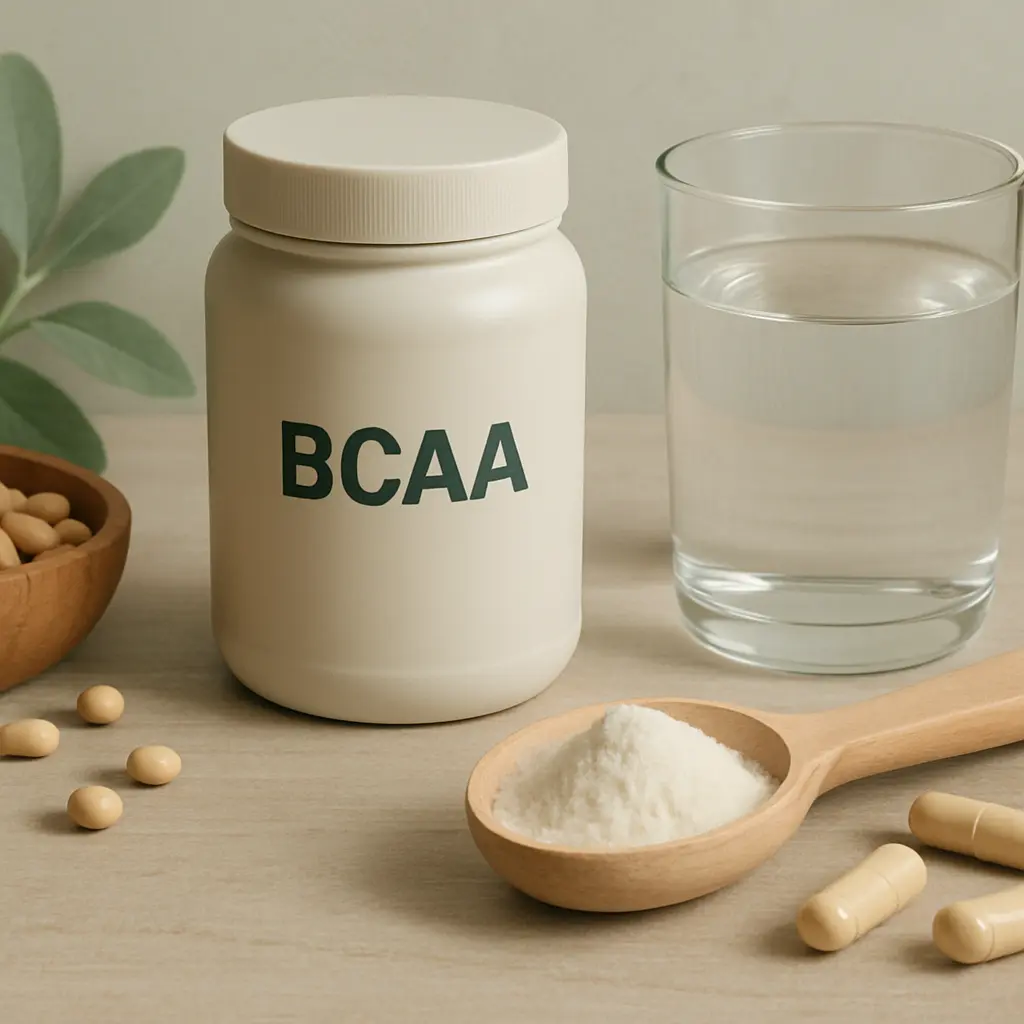
Supplementing with BCAAs can be particularly advantageous for athletes and those with heightened physical activities. These supplements are available in various forms, including powders and capsules, each with its own set of benefits. Choosing the right form depends on personal convenience and taste preferences.BCAA powders can be flavored or unflavored, with flavored options often making the consumption of these amino acids more palatable. Unflavored powders are typically more economical and can be mixed with other supplements, such as creatine. On the other hand, capsules offer convenience, as they are pre-measured and easy to transport, making them a suitable choice for individuals on the go.
Choosing the Right BCAA Ratio
One of the crucial considerations when selecting a BCAA supplement is the ratio of leucine to isoleucine and valine. The most common ratio found in supplements is 2:1:1, with leucine being the predominant amino acid due to its significant role in muscle protein synthesis. However, some formulations offer an 8:1:1 ratio, focusing on a higher leucine concentration to further stimulate muscle growth pathways.The choice of ratio often depends on individual goals. For those looking to balance overall BCAA intake, a 2:1:1 ratio is typically recommended. Individuals aiming to maximize leucine intake for enhanced muscle growth might prefer the 8:1:1 ratio.
Daily Use and Lifestyle Applications
Incorporating BCAAs into your daily routine can be achieved through strategic supplementation around workouts. The typical recommendation for an active individual is to consume about 0.1 g of BCAA per pound of body weight, taken before a workout to help reduce fatigue and boost performance. For particularly intense or extended workout sessions, an additional serving during the latter half of the session can help sustain energy levels and promote recovery.Beyond athletic performance, BCAAs may offer benefits such as improved mental focus and reduced post-exercise muscle soreness, making them a versatile addition to a healthy lifestyle.
Balanced Perspective and Safety
While BCAA supplementation offers several benefits, it is essential to approach their use with a balanced perspective. Consuming BCAAs should not replace whole protein sources in the diet, as complete proteins provide all essential amino acids necessary for optimal health. Moreover, excessive intake of any supplement, including BCAAs, can lead to imbalances and potential adverse effects.Consultation with a healthcare professional or a nutritionist is recommended before introducing any supplement into your routine, particularly for individuals with existing health conditions or those taking other medications. BCAAs are generally considered safe when used appropriately and can be an effective tool in supporting athletic performance and overall wellness.
Conclusion
Branched-Chain Amino Acids play a pivotal role in supporting muscle growth, recovery, and energy production. Whether you are an athlete looking to enhance performance or someone seeking to optimize your nutritional intake, understanding the benefits of BCAAs and selecting the right supplement can be an essential part of your health strategy. By integrating BCAAs thoughtfully into your diet and lifestyle, you can leverage their potential to support your fitness and wellness goals.


