
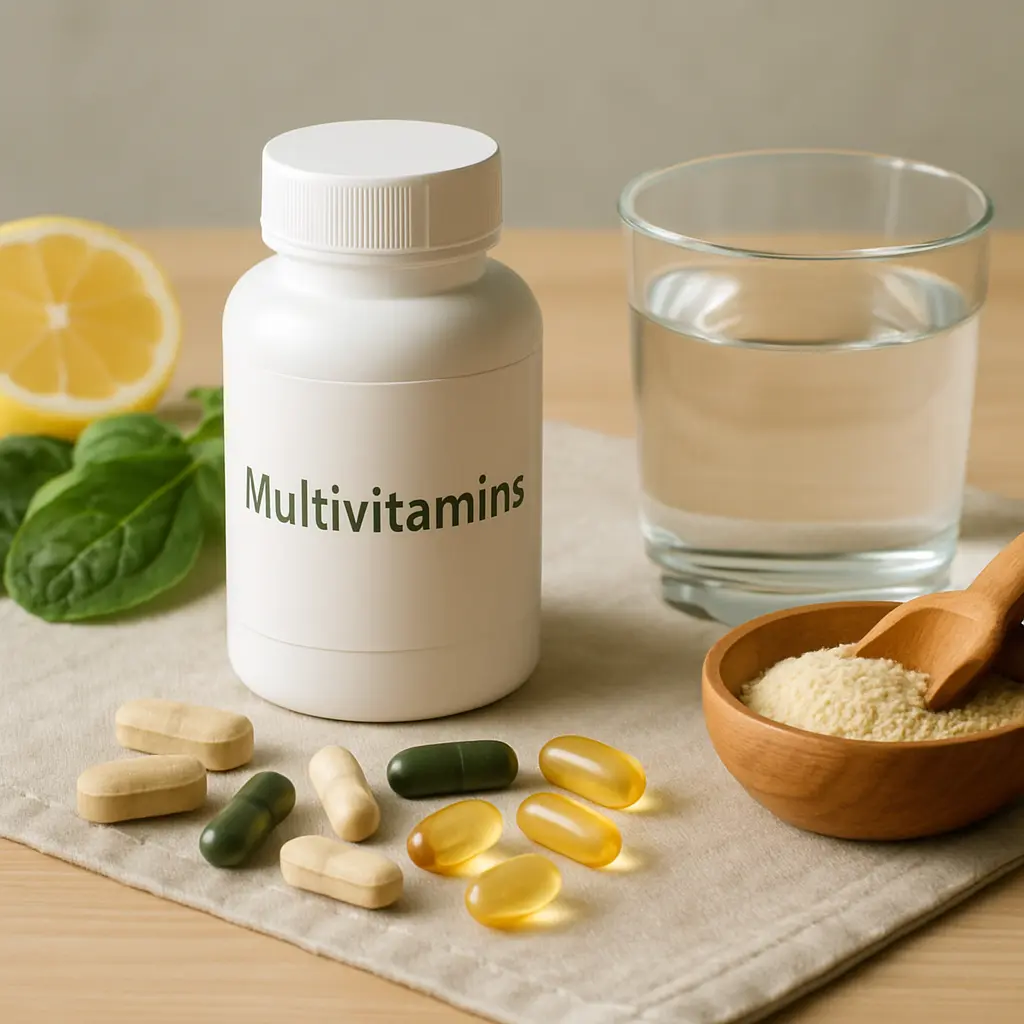
The Comprehensive Benefits of Multivitamins
In this page
Multivitamins have long been a staple in the diet of individuals seeking to maintain optimal health. Beyond being a simple blend of essential vitamins, these supplements are often fortified with minerals and additional compounds beneficial for physiological functions. This article delves into what multivitamins are, their potential benefits, and the complexities surrounding their efficacy. We will explore the scientific context, lifestyle considerations, and provide a balanced perspective on their use and safety.

Scientific Background and General Context
Human physiology is a complex system requiring consistent replenishment of nutrients to function efficiently. Our bodies utilize vitamins and minerals for a myriad of biochemical processes, influencing everything from cellular regeneration to neural communication. Unfortunately, our dietary habits do not always supply these nutrients in adequate amounts. Factors such as food preferences, dietary restrictions, and health conditions can lead to deficiencies. Multivitamins are designed to mitigate these gaps by providing a comprehensive source of essential nutrients.The term “multivitamin” typically encompasses a formulation that includes not only a variety of vitamins but also essential minerals. These supplements may also contain additional beneficial compounds like plant extracts, essential fatty acids, and vitamin-like substances that enhance overall nutritional support. The inclusion of these components aims to support diverse bodily functions and compensate for potential dietary deficiencies.

What Are Multivitamins?
Multivitamins are dietary supplements formulated to deliver a mix of vitamins and minerals essential for the body’s daily requirements. While the name suggests a focus on vitamins, these products often encompass a broader spectrum of nutrients, including minerals like potassium, calcium, magnesium, zinc, iron, copper, chromium, selenium, and iodine. Some multivitamin formulations are further enriched with antioxidants, plant extracts, and other bioactive compounds such as omega-3 fatty acids and alpha-lipoic acid.These supplements are particularly beneficial for individuals whose dietary intake may not meet their nutritional needs. This group includes people with specific dietary preferences, food intolerances, allergies, health conditions, or those experiencing high levels of physical exertion. The convenience of taking a single supplement to cover multiple nutritional bases makes multivitamins an appealing choice for many.
The Benefits of Multivitamins
The primary advantage of multivitamins lies in their ability to supplement the diet and prevent nutrient deficiencies. The convenience of obtaining a wide array of nutrients in one dose helps maintain optimal bodily functions, especially during periods of dietary inadequacy or increased physiological demand. Here are some key benefits associated with multivitamin use:
Nutritional Insurance
In an ideal world, everyone would consume a perfectly balanced diet, rich in all the necessary nutrients. However, reality often paints a different picture. Busy lifestyles, food access issues, and personal preferences can lead to nutritional gaps. Multivitamins act as a safety net, ensuring that essential vitamins and minerals are available to the body even when dietary intake falls short.
Antioxidant Support
Many multivitamins include antioxidants such as vitamins C and E, selenium, and plant-derived compounds. These substances help neutralize free radicals, reducing oxidative stress and potentially lowering the risk of chronic diseases. Antioxidants also play a critical role in protecting cell membranes and maintaining immune health.
Improving Energy Levels
B-vitamins, prevalent in most multivitamin formulations, are crucial for energy metabolism. They help convert food into usable energy, thus supporting overall vitality and reducing fatigue. For individuals experiencing tiredness due to suboptimal dietary intake, multivitamins can offer a noticeable energy boost.
Supporting Bone Health
Calcium and vitamin D are commonly included in multivitamin supplements to promote bone health. These nutrients are vital for maintaining bone density and preventing conditions like osteoporosis, particularly in older adults and postmenopausal women.
Daily Use and Lifestyle Applications
Integrating multivitamins into daily routines can be highly beneficial, particularly for those with specific lifestyle challenges. Here are some considerations for incorporating multivitamins effectively:
Dietary Restrictions and Preferences
Individuals following vegan or vegetarian diets, or those with specific dietary restrictions, may find it challenging to obtain all necessary nutrients from food alone. Multivitamins can fill these nutritional gaps, providing essential nutrients like B12, which are primarily found in animal products.
Age and Health Conditions
As we age, nutrient absorption can decline, making supplementation more necessary. Certain health conditions can also affect nutrient utilization. Multivitamins designed for specific life stages or health needs can offer targeted support.
Active Lifestyles
Athletes and those engaging in regular intense physical activity have increased nutrient demands. Multivitamins can help replenish nutrients lost through sweat and support recovery, ensuring athletes maintain peak performance and health.
Balanced Perspective and Safety
While multivitamins offer numerous benefits, it is important to approach their use thoughtfully:
Consultation with Healthcare Professionals
Before starting any supplement regimen, consulting a healthcare provider is advisable, especially for individuals with underlying health conditions or those taking medications. Professionals can offer guidance on appropriate dosages and formulations tailored to individual needs.
Avoiding Excessive Intake
While deficiencies can be problematic, excessive intake of certain vitamins and minerals can also have adverse effects. Fat-soluble vitamins (A, D, E, K) can accumulate to toxic levels if consumed in excess. It is crucial to adhere to recommended doses and consider dietary intake when using multivitamins.
Conclusion
Multivitamins serve as a practical and efficient means of ensuring nutritional adequacy in modern diets that often fall short. By providing a comprehensive array of essential nutrients, these supplements support overall health and well-being. However, they are not substitutes for a balanced diet and should be used judiciously as part of a holistic approach to health. With a thoughtful approach to supplementation, multivitamins can play a pivotal role in maintaining optimal health across various life stages and lifestyles.


