
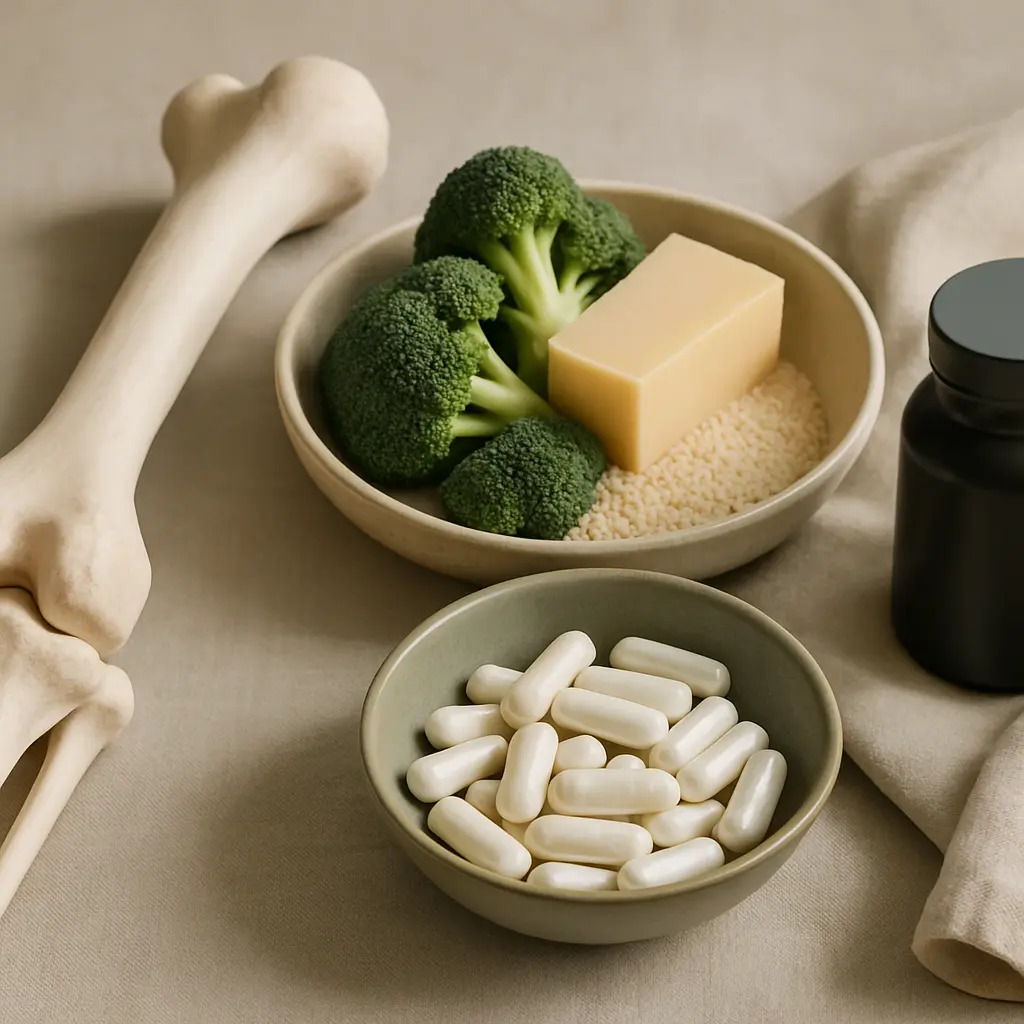
Strengthening Bones and Joints: The Role of Nutrition and Supplements
In this page
Maintaining healthy bones and joints is crucial at every stage of life, enabling us to perform daily activities with ease and comfort. This article explores key nutrients and supplements that support bone and joint health, including calcium, vitamin D, collagen, and vitamin C, among others. By understanding the scientific basis and practical applications of these components, you can take informed steps towards fortifying your skeletal system and overall wellbeing.

Scientific Background and General Context
Our bones and joints form the foundation of our body, playing an essential role in movement, protection of organs, and mineral storage. They are dynamic structures that undergo continuous remodeling throughout our lives. While genetics determine the potential for bone and joint health, lifestyle factors, particularly nutrition, play a critical role in achieving and maintaining this potential.
Bone health is often associated with mineral density and strength, which can be compromised by nutrient deficiencies, hormonal changes, and lifestyle habits. Joints, composed of cartilage, ligaments, and synovial fluid, require adequate nutrition to remain flexible and pain-free. Understanding the specific nutrients that contribute to these processes can empower individuals to make dietary choices that promote longevity and vitality.

Calcium and Vitamin D
Calcium is the primary mineral found in bones, responsible for their strength and structural integrity. It is also vital for muscle function, nerve transmission, and blood clotting. However, calcium’s effectiveness is heavily dependent on vitamin D, which facilitates its absorption and utilization. Without adequate vitamin D, calcium cannot be effectively incorporated into bone tissue.
Vitamin D can be synthesized by the body through sun exposure, but factors such as geographic location, skin pigmentation, and lifestyle can limit this process. Dietary sources, including fortified foods and supplements, become crucial alternatives. Together, calcium and vitamin D help reduce the risk of bone fractures and conditions such as osteoporosis, particularly in children and the elderly.
Collagen and Vitamin C
Collagen is a structural protein that makes up a significant portion of our bones, cartilage, and connective tissue. It provides elasticity and strength, crucial for the proper functioning of joints and overall mobility. The synthesis of collagen requires vitamin C, an antioxidant that also protects cells from damage and supports immune function.
As we age, the body’s natural collagen production declines, which can lead to joint stiffness and decreased flexibility. Incorporating vitamin C-rich foods like citrus fruits, berries, and leafy greens, along with collagen supplements, can aid in maintaining joint health and reducing the risk of degenerative diseases such as osteoarthritis.
MSM and Glucosamine
Methylsulfonylmethane (MSM) and glucosamine are compounds widely studied for their potential benefits in joint health. MSM is known for its anti-inflammatory properties, which can alleviate joint pain and swelling. Additionally, it supports the maintenance of healthy connective tissues by providing the sulfur necessary for collagen synthesis.
Glucosamine, naturally found in cartilage, is commonly used to slow the degradation of joint tissues and support their repair. It is particularly beneficial for individuals experiencing high levels of physical activity or those with conditions that accelerate cartilage wear, helping to preserve joint function and reduce pain.
Turmeric and Frankincense
Turmeric and frankincense, known for their anti-inflammatory and pain-relieving properties, are traditional remedies that have gained attention for their potential to support joint health. Curcumin, the active compound in turmeric, has powerful antioxidant effects that can reduce inflammation and pain associated with joint conditions.
Frankincense, derived from the resin of the Boswellia tree, has been used in herbal medicine for centuries. It has shown promise in reducing the symptoms of osteoarthritis and other inflammatory joint diseases. These natural compounds can be incorporated into the diet or taken as supplements to provide relief from joint discomfort and promote overall joint health.
CBD and Its Role in Joint Health
Cannabidiol (CBD) is a compound found in cannabis plants that interacts with the body’s endocannabinoid system, responsible for regulating pain, mood, and immune responses. Emerging research suggests that CBD may help reduce inflammation and pain associated with joint issues. Additionally, it might support the healing process of bones post-fracture by enhancing bone density.
While CBD products are becoming increasingly popular for managing chronic pain and inflammation, it is essential to approach their use with caution, considering potential legal and health implications. Consulting healthcare professionals before incorporating CBD into your regimen is advisable, especially if you are on other medications or have pre-existing health conditions.
Daily Use and Lifestyle Applications
Integrating nutrients and supplements that support bone and joint health into your daily routine can be seamless with thoughtful planning. A balanced diet rich in calcium, vitamin D, and vitamin C is foundational. Foods like dairy products, fatty fish, fruits, and vegetables should be staples in your diet.
For those who struggle to meet their nutritional needs through diet alone, supplements can be a beneficial adjunct. However, they should not replace whole foods but rather complement them. Regular physical activity, especially weight-bearing and strength-training exercises, is equally important as it helps build and maintain bone density and joint flexibility.
Adopting a holistic approach that combines nutrition, exercise, and stress management can significantly enhance bone and joint health, reducing the risk of injuries and age-related conditions.
Balanced Perspective and Safety
While the benefits of supplements and specific nutrients are well-documented, it is crucial to maintain a balanced perspective. Over-supplementation can lead to adverse effects, such as kidney stones from excessive calcium or toxicity from high doses of vitamin D. Therefore, it is important to adhere to recommended dosages and opt for high-quality products.
Consulting with healthcare providers before beginning any new supplement regimen is advisable, particularly for individuals with underlying health conditions or those taking medication. Ensuring that your approach to bone and joint health is evidence-based and personalized will lead to better outcomes and sustainable wellbeing.


