
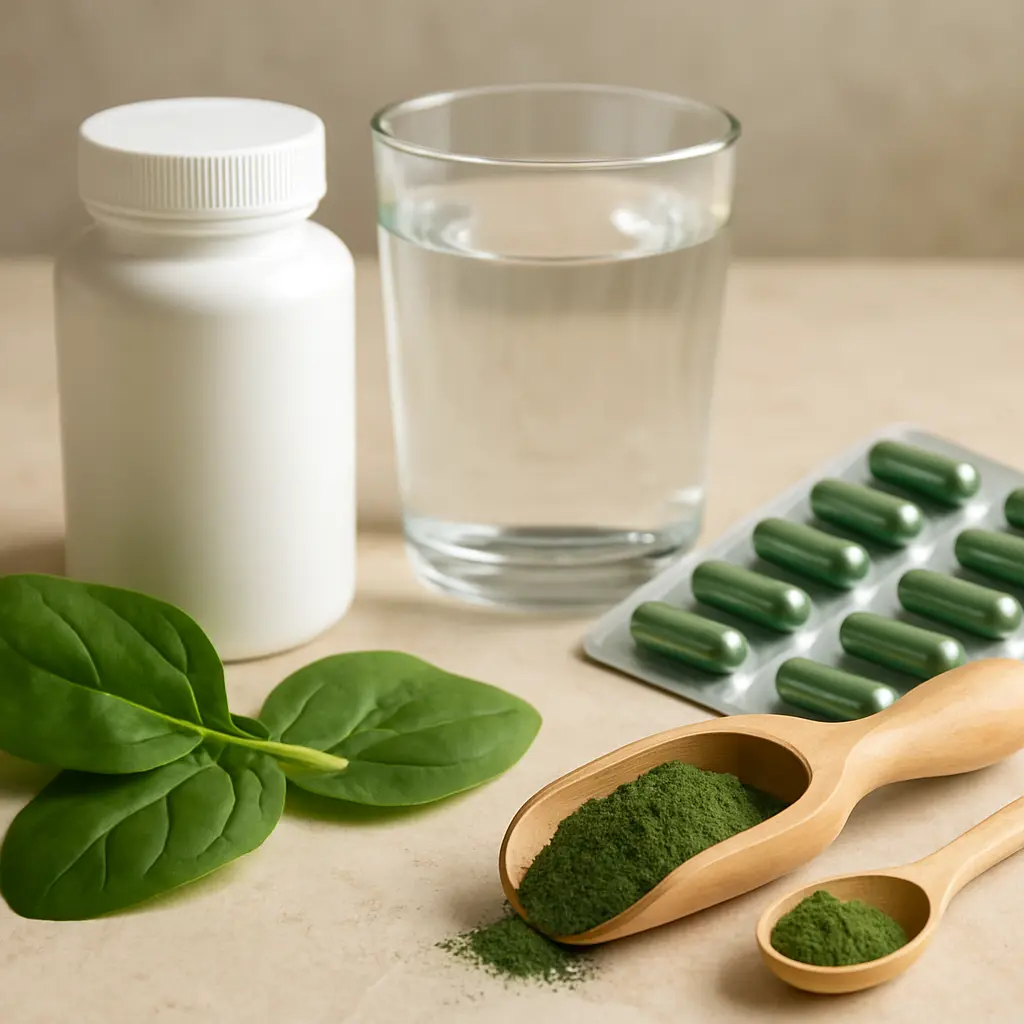
Sodium Copper Chlorophyllin: Understanding Its Benefits and Applications
In this page
Sodium copper chlorophyllin, a derivative of chlorophyll, is gaining attention for its potential health benefits. Known for its vibrant green hue, chlorophyll is pivotal in photosynthesis, while its derivative, chlorophyllin, offers enhanced bioavailability in the human body. This article explores the biological activities, antioxidant properties, potential cancer-fighting abilities, and overall health benefits of sodium copper chlorophyllin.

Scientific Background and General Context
Chlorophyll is the green pigment found in plants that plays a crucial role in photosynthesis, the process by which plants convert sunlight into energy. Chemically, chlorophyll contains a porphyrin ring with a central magnesium ion. When this magnesium is replaced with copper, the resulting compound is sodium copper chlorophyllin, which retains the biological activity of chlorophyll with improved bioavailability.
Chlorophyllins are semi-synthetic compounds derived from chlorophylls, with slight modifications that enhance their stability and absorption in the human body. The increased solubility of chlorophyllin in water compared to natural chlorophyll makes it a suitable candidate for various health applications.
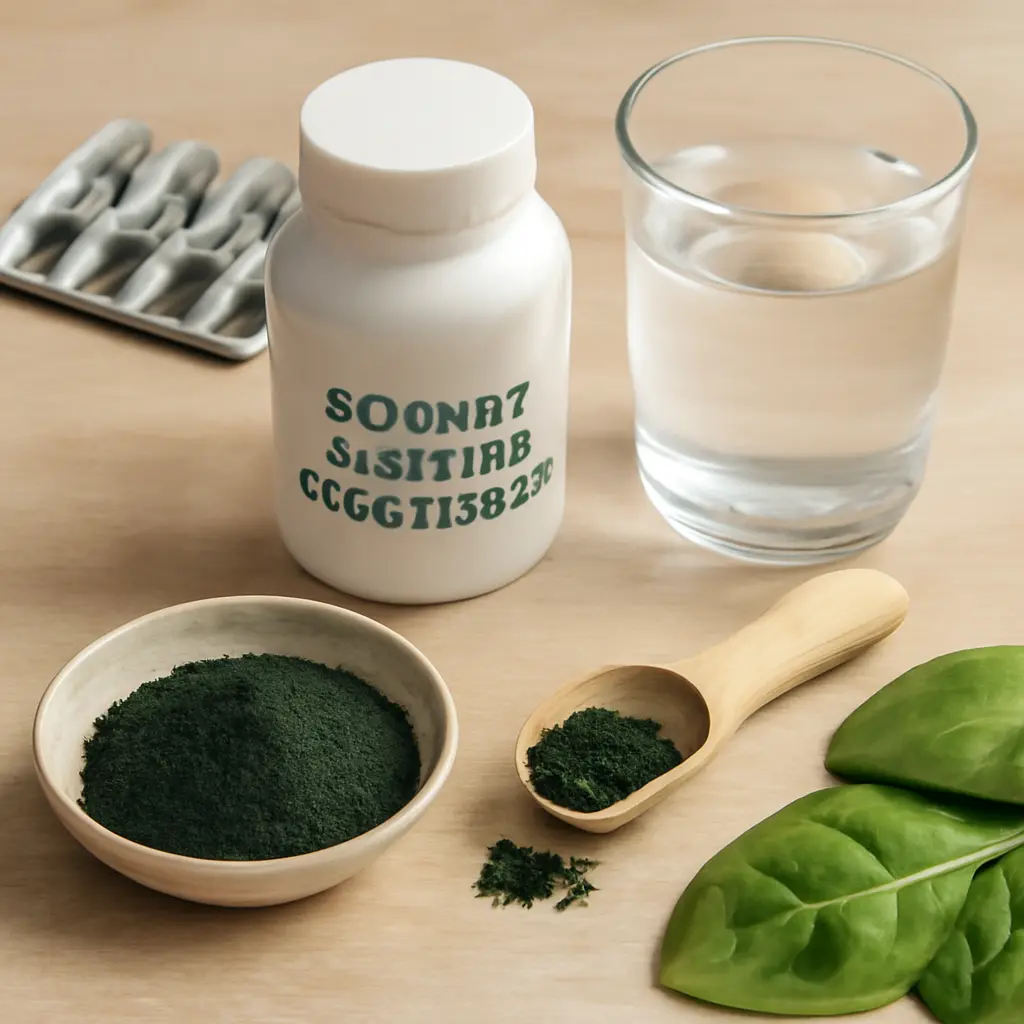
Biological Activity of Chlorophyllins
Chlorophyllins exhibit potent biological activities, acting as antioxidants, anti-inflammatory agents, and potential cancer preventatives. These compounds are capable of neutralizing harmful free radicals, mitigating DNA damage, and modulating cellular processes that may lead to various diseases. This section delves deeper into these properties and their implications for human health.
Antioxidant Properties
Oxidative stress occurs when there is an imbalance between free radicals and antioxidants in the body, leading to cell damage and contributing to chronic diseases. Sodium copper chlorophyllin demonstrates a high antioxidant capacity, potentially reducing the risk of diseases associated with oxidative stress. Research suggests that the copper ion in chlorophyllin enhances its antioxidant power compared to natural chlorophyll.
In laboratory studies, sodium copper chlorophyllin has shown efficacy in protecting neural cells from oxidative damage, suggesting a protective role against neurodegeneration. These findings highlight the importance of antioxidants in maintaining cellular health and preventing disease progression.
Genomic Protection
Mutagens are substances that cause genetic mutations, which can lead to cancer, congenital defects, or hereditary health issues. Chlorophyllin’s anti-mutagenic activity has been linked to its ability to bind to carcinogens and inhibit their interaction with DNA. Studies have shown that chlorophyllin is more effective than plant extracts at preventing mutagenic activity, emphasizing its potential as a dietary supplement for genomic protection.
Cancer-Fighting Potential
The potential anticancer properties of sodium copper chlorophyllin are among the most exciting areas of research. Chlorophyllins have been studied for their ability to form complexes with carcinogens, such as aflatoxins, preventing them from causing DNA damage and subsequent cancer development.
In regions with high dietary exposure to aflatoxins, such as parts of Asia, chlorophyllin supplementation has significantly reduced biomarkers of aflatoxin-related DNA damage, suggesting a lowered risk of liver cancer. Additionally, chlorophyllin has been observed to inhibit the growth of various cancer cell lines, including those of the pancreas and lungs, in both cell culture and animal models.
Daily Use and Lifestyle Applications
Chlorophyllin can be easily incorporated into daily life through dietary supplements or foods rich in chlorophyll. Its potential benefits extend beyond disease prevention, supporting weight management and gut health, essential components of a healthy lifestyle.
Weight Management
With obesity being a growing concern, chlorophyllin offers a promising avenue for weight control. Studies have demonstrated that chlorophyll can inhibit the proliferation of fat cells and induce their programmed cell death (apoptosis). Additionally, chlorophyll derivatives have been shown to bind to lipase, an enzyme that digests fats, thereby reducing fat absorption.
Supplements like spirulina, rich in chlorophyll, have been linked to reduced fat accumulation and improved lipid profiles in animal studies. These findings suggest that chlorophyllin may support weight loss efforts by modulating fat metabolism and appetite.
Gut Health
The composition of gut microbiota is crucial for overall health, influenced significantly by diet. Chlorophyll-rich supplements can promote a balanced gut microbiome, potentially alleviating dysbiosis caused by high-fat diets.
Research indicates that chlorophyllin and chlorophyll-rich extracts, such as those from spinach, contribute to a healthier gut environment. This improved microbiota balance can enhance digestion, immune function, and overall wellness.
Balanced Perspective and Safety
While chlorophyllin offers numerous potential health benefits, it is essential to approach its use with a balanced perspective. Most studies have been conducted in vitro or in animal models, necessitating further research to confirm effects in humans conclusively.
Chlorophyllin is generally considered safe for consumption, with few reported side effects. However, individuals should consult healthcare professionals before beginning any new supplement regimen, especially if they have underlying health conditions or are taking medications.
Incorporating chlorophyllin into a balanced diet may contribute to overall wellness, but it should complement rather than replace a diverse and nutritious food intake. As with any supplement, moderation and informed use are key to maximizing benefits while minimizing risks.
Conclusion
Sodium copper chlorophyllin represents a fascinating intersection of natural biology and human health, offering potential benefits across various domains, from antioxidant protection to weight management and cancer prevention. As research continues to advance, chlorophyllin may become a valuable component of a comprehensive approach to health and wellness.


