How to Get Enough Tryptophan
In this page
Tryptophan is an essential amino acid that plays multiple roles in the body, from contributing to protein synthesis to being a precursor for serotonin, a neurotransmitter linked to mood regulation. Although the body cannot produce tryptophan on its own, understanding its importance and ensuring the right intake can support overall well-being. This article explores the benefits of tryptophan, the best dietary sources, recommended daily intake, and the potential need for supplements. Additionally, we will discuss signs of tryptophan deficiency and answer common questions about this vital nutrient.
Understanding Tryptophan
Tryptophan is one of the nine essential amino acids that the human body cannot synthesize and must thus be obtained through diet. Amino acids are the building blocks of proteins, crucial for various bodily functions, including tissue repair, enzyme creation, and hormone production. Apart from its role in protein synthesis, tryptophan is a precursor to serotonin and melatonin, chemicals that regulate mood, sleep, and appetite. The significance of tryptophan extends beyond basic nutrition, impacting mental and physical health.
The Benefits of Tryptophan
The primary benefit of tryptophan lies in its role in synthesizing serotonin, which is often called the “feel-good” neurotransmitter. Adequate serotonin levels can improve mood, reduce anxiety, and promote a sense of well-being. Additionally, tryptophan contributes to the production of melatonin, a hormone that regulates sleep-wake cycles. This makes tryptophan crucial for maintaining optimal mental health and ensuring restful sleep. Furthermore, tryptophan plays a part in the body’s immune function and may help in managing pain and inflammation.
Tryptophan-Rich Foods
To ensure an adequate intake of tryptophan, it is important to include a variety of foods in your diet. Several common foods are rich in this essential amino acid:
- Poultry: Turkey and chicken are well-known for their high tryptophan content.
- Fish: Salmon, tuna, and cod are good sources of tryptophan.
- Dairy: Milk, cheese, and yogurt provide tryptophan along with other essential nutrients.
- Nuts and Seeds: Almonds, walnuts, and pumpkin seeds are excellent plant-based sources.
- Legumes: Beans, lentils, and chickpeas offer a substantial amount of tryptophan.
- Eggs: A versatile source of protein and tryptophan.
Incorporating Tryptophan Sources into Your Diet
To maximize tryptophan intake, it’s beneficial to have a well-balanced diet that includes a variety of the above foods. For breakfast, consider combining eggs and cheese in an omelet. For lunch, a salad with turkey or chicken can be both filling and nutritious. Incorporating fish like salmon for dinner not only boosts tryptophan intake but also provides heart-healthy omega-3 fatty acids. Snack on nuts or yogurt for an additional tryptophan boost throughout the day.
Recommended Daily Intake of Tryptophan
The recommended daily intake of tryptophan varies with age, gender, and overall health status. On average, adults should aim for approximately 4 mg of tryptophan per kilogram of body weight daily. For example, a person weighing 154 lbs (70 kg) requires about 280 mg of tryptophan daily. It’s essential to note that these values are general estimates and individual needs may differ. Consulting with a healthcare provider can provide personalized dietary recommendations.
Supplements: A Viable Option?
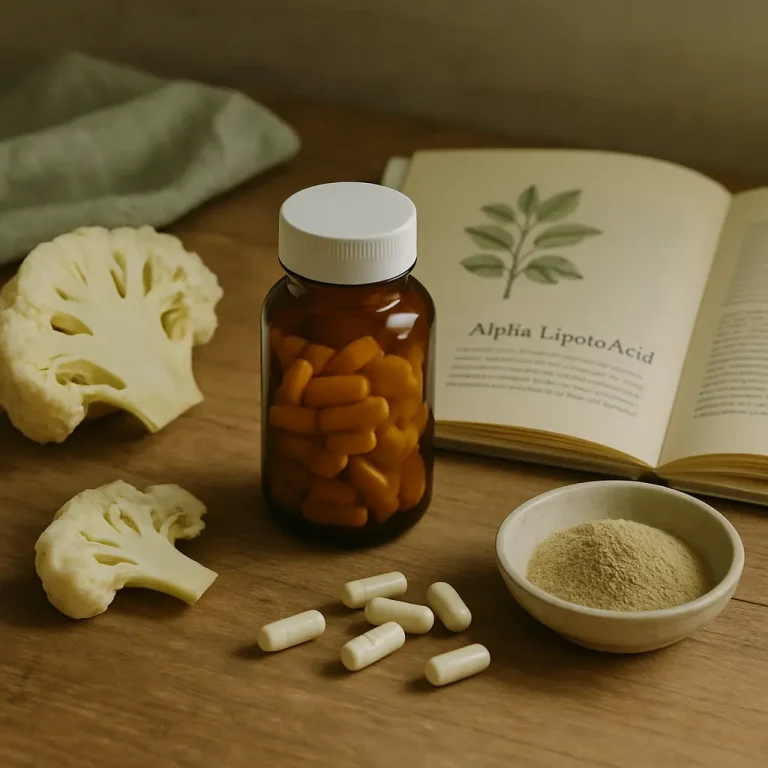
While most people can meet their tryptophan needs through a balanced diet, supplements may be considered if dietary intake is insufficient. Tryptophan supplements are available in various forms, such as capsules and powders. They are often marketed for their potential benefits in improving mood and sleep quality. However, it’s important to approach supplementation with caution. High doses of tryptophan can lead to side effects and interactions with certain medications. Always consult a healthcare professional before starting any supplement regimen.
Potential Deficiencies and Signs to Watch For
Although rare, tryptophan deficiency can occur and may lead to symptoms such as mood disturbances, increased anxiety, sleep disorders, and decreased immune function. Those at higher risk include individuals with restrictive diets, malabsorption issues, or certain genetic disorders. If you experience persistent symptoms related to mood or sleep, a dietary imbalance may be worth considering. Monitoring dietary habits and seeking medical advice can help address potential deficiencies effectively.
FAQs about Tryptophan
Q: Can tryptophan make you sleepy?
A: Tryptophan is a precursor to melatonin, a hormone that regulates sleep. While tryptophan itself doesn’t cause drowsiness, its conversion to melatonin can promote better sleep patterns.
Q: Is turkey the best source of tryptophan?
A: Turkey is a well-known source, but many other foods like fish, dairy, and nuts provide significant amounts of tryptophan. A varied diet is key to adequate intake.
Q: Can tryptophan help with depression?
A: Tryptophan contributes to serotonin production, which can positively impact mood. However, it is not a stand-alone treatment for depression and should be considered part of a comprehensive mental health strategy.
Conclusion
Tryptophan is a vital amino acid with numerous roles in maintaining mental well-being and physical health. Through an informed dietary approach and, if necessary, supplementation, individuals can ensure they meet their tryptophan needs. Understanding the significance of tryptophan can empower individuals to make dietary choices that support a balanced, healthy lifestyle.
References
To ensure the accuracy and credibility of the information provided, the following references were used in preparing this article:
- National Institutes of Health – Office of Dietary Supplements
- The American Journal of Clinical Nutrition
- World Health Organization – Dietary Guidelines
- Journal of Nutrition & Metabolism
- Scientific literature on amino acids and neurotransmitter pathways
This article is for informational purposes only and does not constitute medical advice. Always consult a registered dietitian or healthcare provider before starting any supplement regimen.