
Exploring Vitex Agnus-Castus: Benefits and Applications
In this page
Vitex agnus-castus, commonly known as chaste tree or monk’s pepper, is a plant with a long history of use in herbal medicine, particularly for its potential role in balancing hormones. Known for its unique appearance and bioactive compounds, this plant has been utilized in various regions for its health-promoting properties. This article delves into the scientific background of Vitex agnus-castus, its potential benefits, applications, and safety considerations.

Scientific Background and General Context
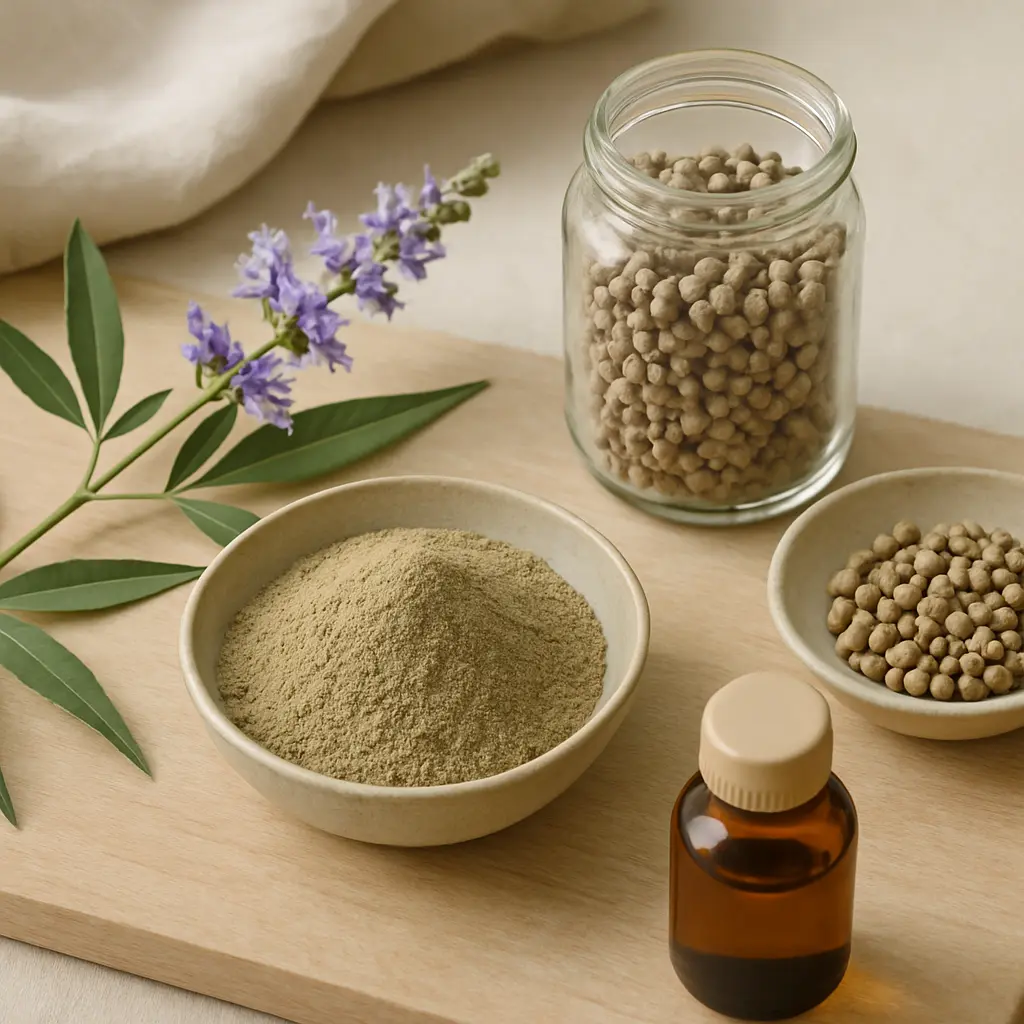
Vitex agnus-castus belongs to the family Lamiaceae, although historically it was classified under Verbenaceae. This plant is native to the Mediterranean region but has spread to other parts of the world, including the United States, India, and the Middle East, where it is cultivated for its medicinal properties. It typically grows as a large shrub or small tree, reaching heights of up to 16–20 feet.The plant is characterized by its distinctive morphology, with older plants developing light gray bark tinged with pink. The young shoots are quadrangular and gray-green, while the leaves are thin, opposite, and covered with a white, downy underside. Vitex produces flower clusters from June to October, with small flowers in varying shades of pink to dark violet. These flowers give way to dark brown or black fruits resembling black peppercorns.

Active Compounds in Vitex Agnus-Castus
Vitex agnus-castus fruits are rich in a variety of organic compounds, including iridoids, flavonoids, terpenes, and phenolic acids. Among these, agnuside is a notable iridoid, while chlorogenic and vanillic acids are key phenolic compounds. Terpenes such as pinene contribute to the plant’s distinctive aroma and potential therapeutic effects.These compounds are believed to interact with neurotransmitter systems, particularly through dopaminergic pathways. Dopamine is a neurotransmitter associated with mood regulation, motivation, and hormonal balance. Vitex’s potential influence on dopamine receptors may lead to decreased levels of prolactin, a hormone involved in lactation and reproductive functions.
Potential Benefits and Mechanisms of Action
The pharmacological properties of Vitex agnus-castus are largely linked to its dopaminergic effects, which may result in the modulation of prolactin levels. This is particularly relevant in conditions like premenstrual syndrome (PMS) and premenstrual dysphoric disorder (PMDD), where hormone balance is disrupted.
Stress and Prolactin
Animal studies suggest that Vitex extract can significantly reduce stress-induced prolactin release when administered intravenously. This highlights its potential role in managing conditions where high prolactin levels contribute to symptoms, such as menstrual irregularities and mood disturbances. Some flavonoids in Vitex have also demonstrated the ability to bind to estrogen receptors, which may influence hormonal conditions related to aging or other health issues.
Regulation of Hormonal Activities
The regulation of dopamine by Vitex can lead to mood enhancement and improved well-being, making it beneficial for those experiencing mood fluctuations related to hormonal changes. The plant’s ability to influence prolactin and estrogen activity may offer relief for symptoms associated with hormonal disorders or the natural decline of estrogen with age.
Applications in Hormonal Health
Vitex agnus-castus is primarily used in the context of female hormonal health, particularly in addressing PMS and PMDD. Clinical studies have shown that Vitex supplements can outperform placebo and even vitamin B6 in alleviating general PMS symptoms, including mood swings and physical discomfort.
Comparative Efficacy to Medications
In managing luteal phase disorders—the final stage of the menstrual cycle—Vitex has been shown to be as effective as bromocriptine, a medication that inhibits prolactin secretion. These studies also indicate that Vitex is associated with fewer side effects compared to conventional treatments. Additionally, Vitex may have potential applications in managing conditions like polycystic ovary syndrome (PCOS) and libido issues.
Daily Use and Lifestyle Applications
Incorporating Vitex agnus-castus into a daily routine requires understanding the appropriate dosage and form. Typically available as capsules, tinctures, or teas, Vitex is commonly taken in the morning to align with its influence on hormonal cycles. The dosage can vary based on the form and the specific health condition being addressed. Consulting a healthcare provider is advisable to determine the optimal regimen.Beyond supplements, lifestyle factors including diet, exercise, and stress management play crucial roles in hormonal health. Combining Vitex with a balanced diet rich in fruits, vegetables, lean proteins, and whole grains can synergize its effects. Regular physical activity and mindfulness practices can further support hormonal balance and overall well-being.
Balanced Perspective and Safety
While Vitex agnus-castus offers promising benefits, a balanced perspective on its use is essential. It is generally considered safe for most individuals when used as directed, but potential side effects may include gastrointestinal discomfort, headaches, or skin reactions.
Safety Concerns and Interactions
Individuals with hormone-sensitive conditions, such as breast cancer or those undergoing hormone replacement therapy, should exercise caution and seek medical advice before using Vitex. Additionally, interactions with medications, particularly those influencing dopamine or hormonal pathways, should be evaluated by a healthcare professional.
Conclusion
Vitex agnus-castus stands out as a natural ally in managing hormonal health, particularly for women experiencing PMS, PMDD, or other hormonal imbalances. Its bioactive compounds offer a scientifically supported means of achieving hormonal equilibrium, contributing to improved mood and physical health. As with any supplement, informed use and consultation with a healthcare provider are paramount to ensuring safe and effective outcomes.


