
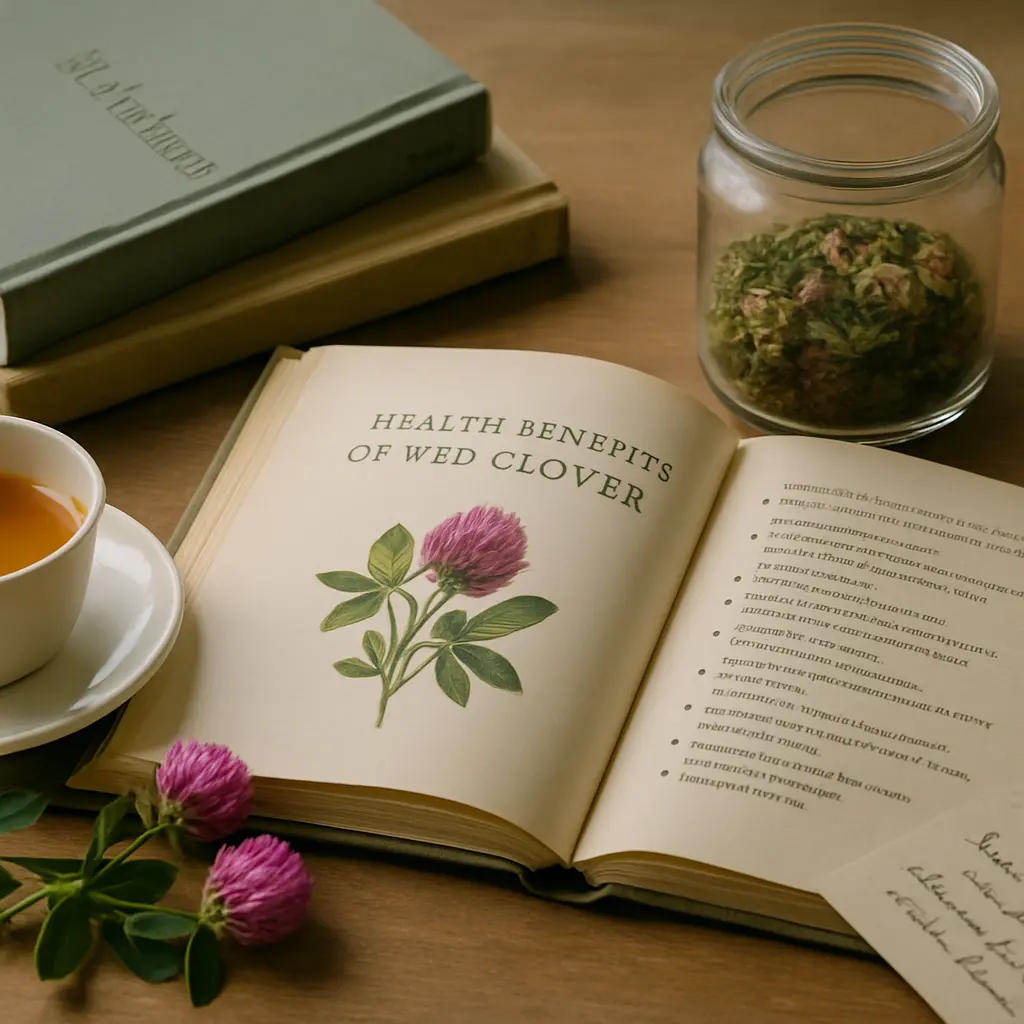
Exploring the Health Benefits of Red Clover: A Comprehensive Guide
In this page
Red clover, scientifically known as Trifolium pratense, is not just a simple plant found in meadows. It has been recognized for its potential agricultural benefits and nutritional applications. This article delves into the many facets of red clover, exploring its role in agriculture, its nutritional properties, and its significance in traditional and modern medicine. We will also highlight the scientific insights into red clover’s health benefits, particularly for women, and provide a balanced perspective on its use and safety.

Scientific Background and General Context
Red clover belongs to the pea family, Fabaceae, which includes other legumes such as peas, beans, and soybeans. This plant is valued for its ability to fix nitrogen in the soil through a symbiotic relationship with bacteria. This process, known as nitrogen fixation, enriches the soil, making red clover an excellent choice for crop rotation and soil improvement. Historically, it has been cultivated as far back as the 11th century for its high nitrogen content, which serves as nutritious fodder for livestock, promoting meat and milk production.Beyond agriculture, red clover has also found its way into human diets. The plant’s flowers and leaves can be eaten raw, while its roots require cooking. Red clover can be used in salads, soups, or even as a cooked vegetable, akin to spinach. During times of scarcity, such as the Great Famine in Ireland, red clover was used as a food source, providing crucial nutrients and helping stave off starvation.

Nutritional Profile and Health Benefits
Red clover is a rich source of several beneficial compounds, including isoflavones, which are plant-derived compounds with estrogen-like activity. Isoflavones such as biochanin A, formononetin, and genistein are abundant in red clover and are known for their potential health benefits, particularly for women undergoing menopause.The plant also contains flavonoids, phenolic acids, phytosterols, and saponins, along with vitamins C, E, and A. These compounds contribute to red clover’s antioxidant properties, supporting cardiovascular health and possibly reducing cancer risk. Minerals like potassium, calcium, silicon, sulfur, iron, copper, cobalt, manganese, and zinc are also present, providing additional nutritional benefits.
Daily Use and Lifestyle Applications
Red clover can be incorporated into daily diets as a nutritious addition to salads or as an ingredient in herbal teas. It’s also available as a supplement, often marketed for its potential health benefits, especially for women.For those interested in natural remedies and skincare, red clover extracts are commonly used in topical applications. These extracts are found in creams and ointments for skin conditions like acne, eczema, and psoriasis. The plant’s antioxidant properties contribute to its inclusion in anti-aging skincare products, promoting skin health and vitality.
Women’s Health: A Focus on Menopause
Red clover is notably popular among women going through menopause. Isoflavones in red clover mimic estrogen, which may help alleviate menopausal symptoms such as hot flashes, night sweats, and mood swings. Research has shown that supplementation with red clover isoflavones can significantly reduce these symptoms compared to placebo.Studies have also suggested that red clover may benefit mental health by reducing anxiety and depression symptoms, improving overall quality of life during menopause. Additionally, some research indicates that red clover may aid in maintaining healthy body weight and skin quality during this life stage.
Scientific Evidence and Research Insights
Extensive research has been conducted to explore red clover’s health benefits. Scientific studies have confirmed its antioxidant and anti-inflammatory properties, suggesting potential protective effects against cardiovascular diseases and certain cancers. Red clover’s ability to regulate blood glucose and lipid levels further underscores its potential as a complementary health aid.In clinical settings, red clover extracts have been explored for their anticancer properties, particularly when used alongside conventional cancer treatments. While findings are promising, more research is needed to establish definitive therapeutic roles.
Balanced Perspective and Safety
Despite the potential benefits, it’s essential to approach red clover supplementation with caution. Isoflavones can influence hormone levels, so individuals with hormone-sensitive conditions or those on hormone therapy should consult healthcare professionals before use. Additionally, while red clover is generally considered safe, some individuals may experience side effects or interactions with medications.It’s crucial to source red clover supplements from reputable brands to ensure product quality and safety. As with any supplement, moderation is key, and it’s always advisable to seek guidance from healthcare providers, particularly for those with pre-existing health conditions or who are pregnant or breastfeeding.
Conclusion
Red clover is more than just a plant in the meadow; it’s a versatile herb with historical significance and modern applications. From agricultural benefits to nutritional and health-promoting properties, red clover is a valuable addition to the conversation on natural health remedies. As scientific research continues to uncover its benefits, particularly for women’s health, red clover remains a noteworthy topic for those interested in holistic and integrative health approaches.




