
Exploring the Benefits of Citicoline: A Comprehensive Guide
In this page
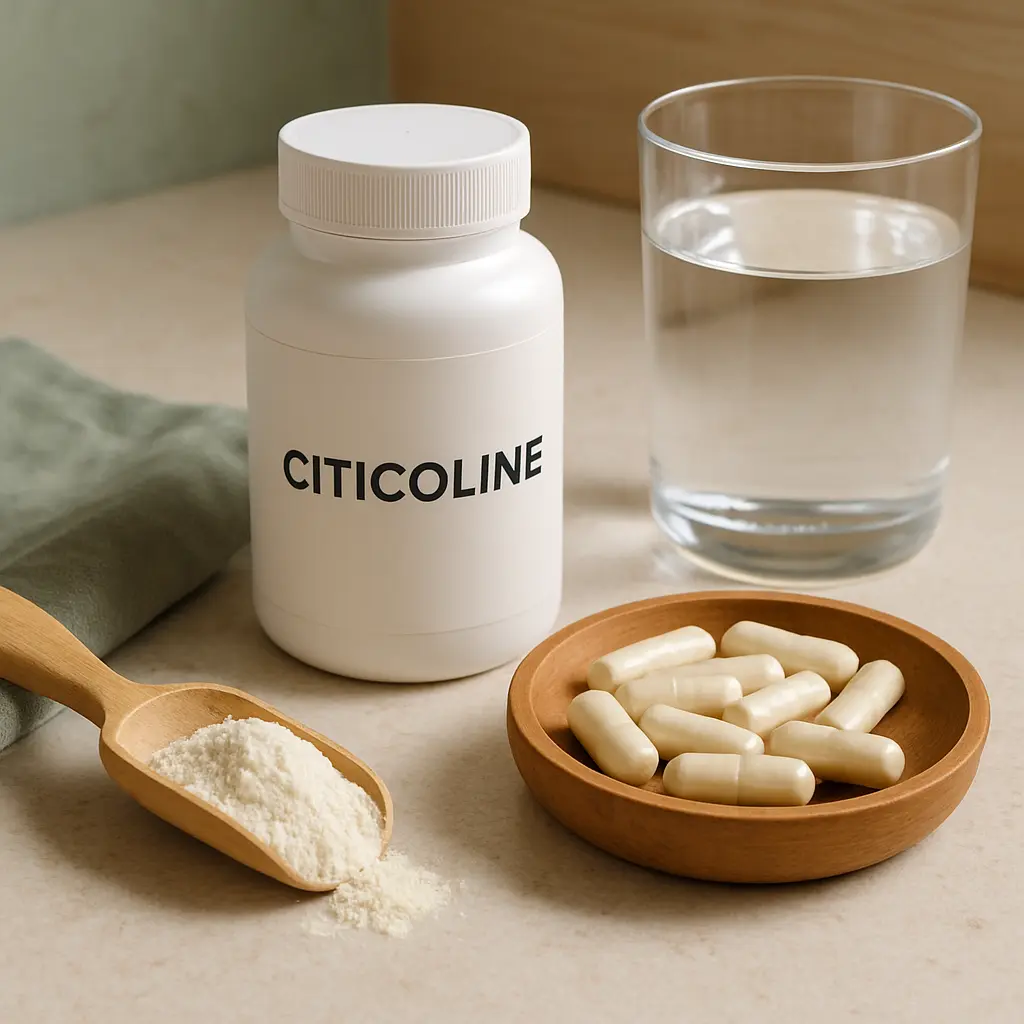
Citicoline, also known as CDP-choline, is a dietary supplement gaining attention for its potential benefits in brain and nervous system function. With a role in supporting the synthesis of phosphatidylcholine, a crucial component of neuronal cell membranes, citicoline may influence cognitive performance and protection. This article delves into citicoline’s applications, ranging from enhanced learning and mental work to counteracting neurodegeneration and nervous system damage. We explore its biochemical properties, functions in the body, dietary sources, and considerations for supplementation.

Scientific Background and General Context
Citicoline is a compound composed of cytidine and choline, two essential nutrients for brain health. Its primary action revolves around increasing the production of phosphatidylcholine, a major phospholipid component of cell membranes, particularly in the brain. This role is vital as it contributes to neuronal membrane integrity, signaling, and plasticity, which are crucial for optimal brain function.
Aside from phosphatidylcholine production, citicoline plays a role in synthesizing acetylcholine, a neurotransmitter important for memory and learning. The potential benefits of citicoline are attributed to its ability to enhance neuronal communication, protect neuronal membranes from damage, and support brain metabolism. Understanding the biochemical underpinnings of citicoline provides insight into why it might be beneficial for cognitive health.

Citicoline’s Role in Cognitive Function
Memory, Concentration, and Cognitive Performance
Research indicates that citicoline can improve memory, concentration, and overall cognitive performance. This is particularly beneficial during periods of intense study or work. It has been observed that citicoline enhances attention, information processing speed, and mental endurance. These effects are particularly relevant for older adults or individuals with neurological challenges, such as dementia or stroke recovery.
However, the benefits extend to younger populations as well, including students and professionals who require sustained focus, such as drivers, teachers, doctors, accountants, and emergency service workers. By supporting concentration and learning capabilities, citicoline might also improve training outcomes and performance in athletic settings.
Mood and Energy Levels
Citicoline’s influence on neurotransmitters extends to mood and energy levels. By increasing acetylcholine and possibly dopamine levels, citicoline may enhance motivation and stress resilience. Individuals experiencing chronic fatigue or depressive symptoms could find this aspect particularly beneficial, as these neurotransmitters play roles in mood regulation and energy maintenance.
Overall Well-being and Liver Health
Beyond cognitive functions, citicoline’s component, choline, is significant for various tissues and organs. Notably, choline metabolism occurs prominently in the liver. Research suggests that insufficient choline intake can lead to fatty liver and exacerbate other liver conditions. Thus, citicoline supplementation might have broader implications for maintaining liver health and overall well-being.
Dietary Sources of Choline
Choline, the parent compound of citicoline, is present in numerous foods including meat, fish, eggs, legumes, and vegetables. However, certain populations may be at risk of choline deficiency due to dietary preferences or restrictions. For example, vegans avoid animal-derived foods such as eggs and meat, which are rich sources of choline. While plant-based sources like soy, quinoa, broccoli, and nuts contain choline, they often provide lower amounts compared to animal products.
Balancing dietary intake to ensure adequate choline is crucial, and understanding the distribution of choline in various foods can help individuals make informed dietary choices. Awareness of dietary patterns can aid in preventing potential deficiencies, especially in susceptible groups.
Bioavailability of Choline
The bioavailability of choline varies depending on its chemical form in foods. Choline exists in different forms, such as phosphatidylcholine, glycerophosphocholine, CDP-choline, and free choline, each with distinct absorption rates. Phosphatidylcholine, found in eggs and meat, is among the most bioavailable forms.
Food preparation methods can also impact choline bioavailability. Excessive cooking, such as hard-boiling eggs or frying liver, may lead to the loss of choline’s beneficial properties due to its sensitivity to high temperatures. Therefore, understanding how to prepare choline-rich foods can maximize nutrient retention.
Forms of Choline and Their Sources
| Form of Choline | Main Source |
|---|---|
| Phosphatidylcholine | Eggs |
| Glycerophosphocholine | Meat |
| CDP-choline | Liver |
| Free Choline | Broccoli |
Daily Use and Lifestyle Applications
Citicoline supplementation can be tailored to various lifestyle needs. For cognitive enhancement, it can be used acutely for short-term boosts, with effects noticeable within hours of consumption. This makes it suitable for situations requiring immediate mental clarity, such as exams or high-stakes work tasks.
For long-term neurological health, consistent citicoline supplementation over weeks or months may be necessary. This can support neural regeneration and resilience, particularly in aging populations or those recovering from neurological injuries.
Balanced Perspective and Safety
Citicoline is generally well-tolerated and considered safe for healthy populations. However, as with any supplement, it is important to adhere to recommended dosages, typically not exceeding 500–1000 mg per day. Consulting with healthcare professionals before beginning supplementation is advisable, especially for individuals with pre-existing health conditions or those taking other medications.
While citicoline shows promising benefits, it is crucial to maintain a balanced perspective, acknowledging the importance of comprehensive lifestyle approaches that include a balanced diet, regular physical activity, and mental wellness practices.
In conclusion, citicoline offers potential as a cognitive enhancer and neuroprotective agent. Its diverse functions in brain health, mood regulation, and liver support highlight the importance of understanding its role in the broader context of nutrition and wellness.


