
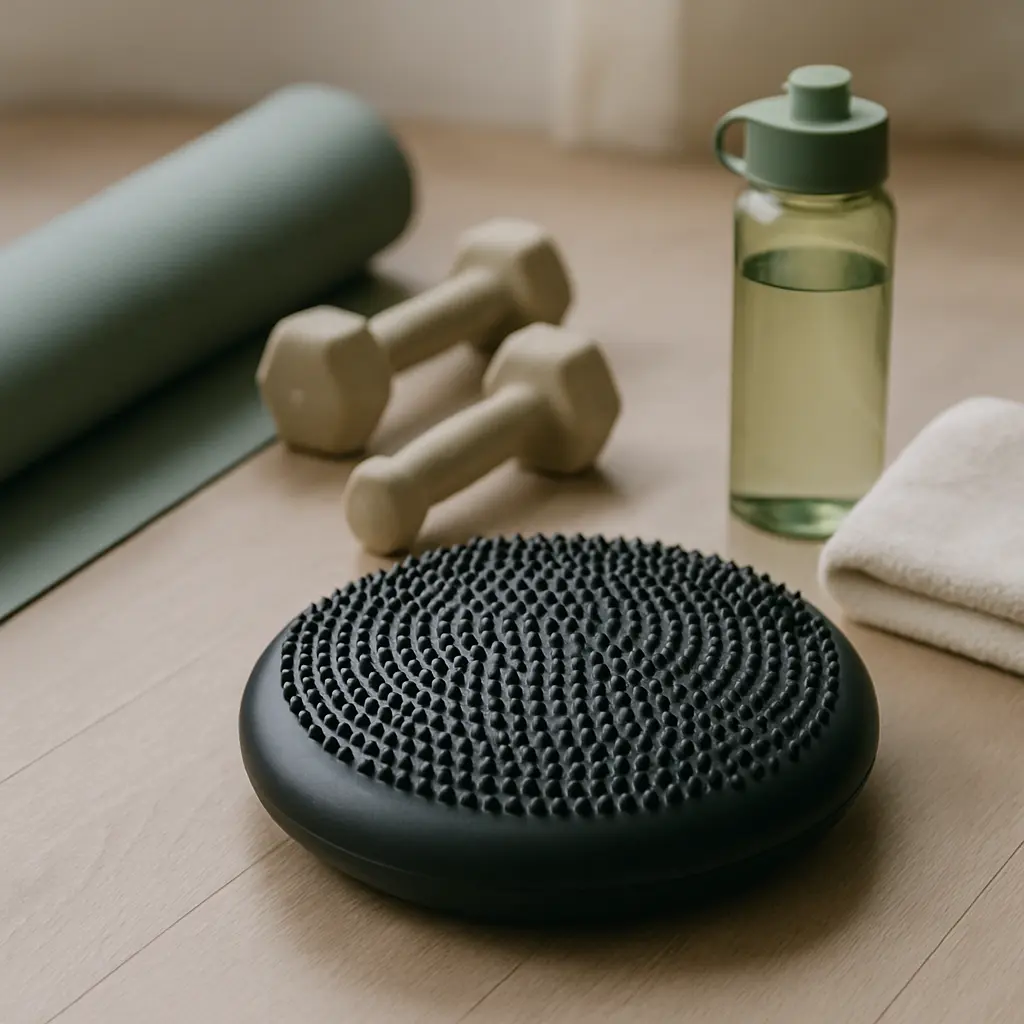
Exploring the Benefits and Uses of a Sensory Cushion
In this page
A sensory cushion, often known as a balance disc or proprioceptive cushion, is a versatile tool employed in rehabilitation, posture correction, and functional training. It plays a significant role in enhancing bodily performance by engaging stabilizing muscles and stimulating the nervous system responsible for proprioception. In this article, we will delve into the various applications of sensory cushions, their benefits in rehabilitation, and how to select the right one for your needs.
Scientific Background and General Context
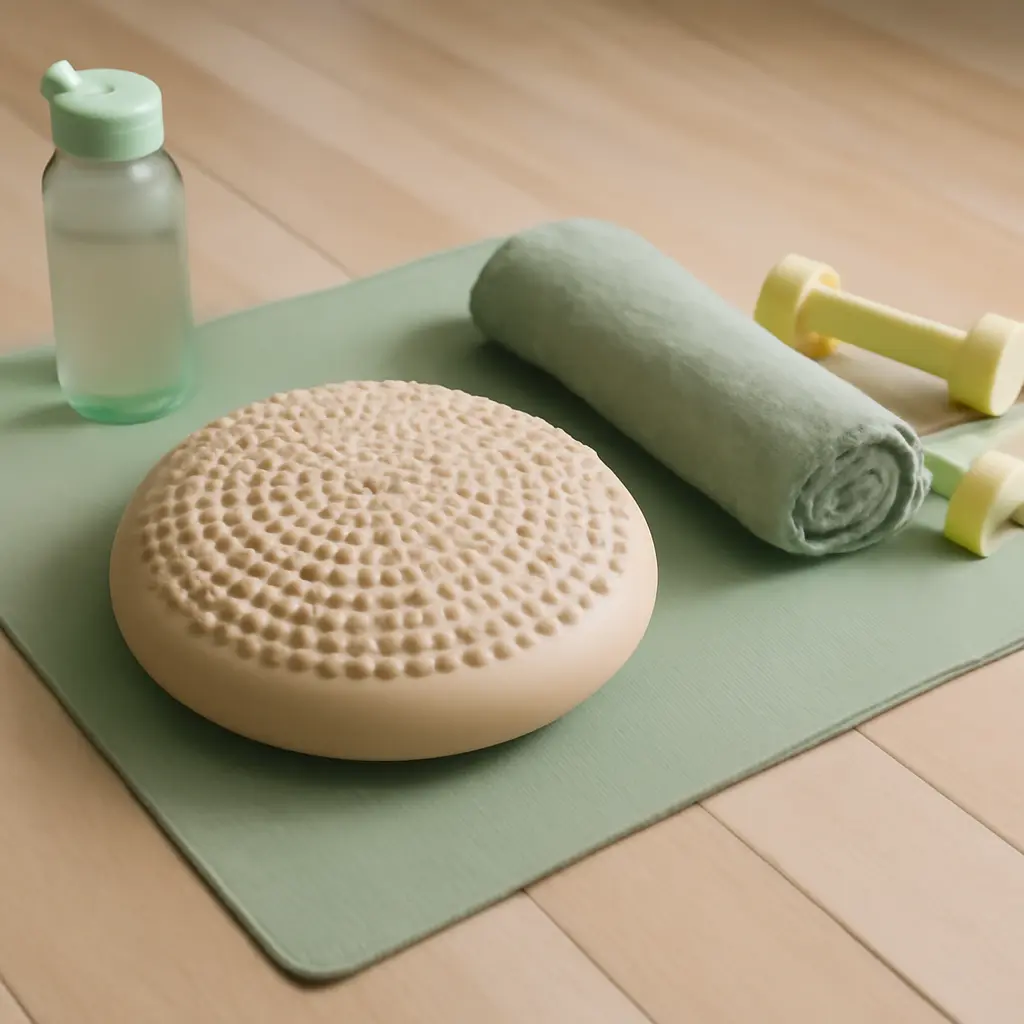
Sensory cushions are designed to challenge the body’s stability, which in turn activates various muscle groups and sensory receptors. They are typically constructed from durable materials and come in different shapes and sizes, often featuring a textured surface with massaging protrusions. The primary function of these cushions is to engage the body’s proprioceptive system—a critical component of our balance and spatial orientation.Proprioception is the body’s ability to sense movement, action, and location. It is what allows us to move unconsciously and confidently without direct visual input. Sensory cushions enhance this system by providing an unstable surface that requires constant muscle engagement for balance. This not only strengthens the stabilizing muscles but also sharpens the body’s ability to respond to dynamic environments and adjust accordingly.
How Sensory Cushions Work
Stimulation of Sensory Receptors
The textured surfaces of sensory cushions are designed to interact with the skin’s sensory receptors, including those responsible for deep tissue sensation or proprioception. The continuous stimulation of these receptors enhances the brain’s perception of body position, contributing to improved balance and spatial awareness. This heightened sensory input can be particularly beneficial in rehabilitation settings, where precise control over bodily movements is critical.
Strengthening Stabilizing Muscles
The inherent instability of a sensory cushion requires users to engage their stabilizing muscles actively. These muscles, which include those around the spine, ankles, knees, and hips, are essential for maintaining balance. Regular use of a sensory cushion can lead to stronger core muscles and improved posture, which are pivotal for overall bodily health and injury prevention.
Enhancing Motor Coordination
Training on a sensory cushion presents a unique challenge to the nervous system. As users work to maintain balance, the proprioceptive system must constantly adjust limb positions to respond to the shifting dynamics of the cushion. This activity improves motor coordination and reaction times, making sensory cushions an excellent tool for athletes and individuals looking to enhance their physical agility.
Applications in Rehabilitation
Sensory cushions are integral in rehabilitation programs due to their adaptability and effectiveness in engaging stabilizing muscles and improving proprioceptive awareness. Depending on the condition, age, and rehabilitation phase, exercises and techniques can be tailored to suit individual needs.
Spinal Injuries and Postural Muscle Strengthening
In cases of spinal injuries or posture-related issues, sensory cushions can assist in rehabilitation by promoting the activation of deep trunk muscles. Exercises may include:
- Core Activation Exercises: Patients sit on the cushion with a straight spine, attempting to maintain balance, thereby engaging the lumbar and thoracic stabilizing muscles.
- Balance Exercises: Standing on the cushion while holding onto support, like a handrail, can further challenge balance and muscle coordination.
- Spinal Alleviation: The cushion can support the natural lumbar curve when used while sitting, reducing pressure on the spine.
Such exercises improve muscle flexibility, joint range of motion, and lower back pain, making them a staple in physical therapy settings.
Ankle and Knee Joint Rehabilitation
The unstable surface of a sensory cushion is particularly effective for strengthening and stabilizing joints, especially after injuries such as sprains.
- Ankle Sprain Recovery: Exercises like standing on one leg, foot movements on the cushion, and shifting weight from heel to toe help support tendon and ligament recovery.
- Ligament Strengthening: Squats, lunges, and gentle jumps on the cushion force active stabilization of knee and hip joints.
Such controlled training under professional supervision enhances coordination and ligament flexibility, reducing the risk of re-injury.
Neurological Rehabilitation
Sensory cushions are also used in the rehabilitation of patients with neurological conditions affecting balance and coordination, such as multiple sclerosis or stroke recovery. Exercises on an unstable surface aim to:
- Enhance Body Perception: Increased tactile and proprioceptive stimuli aid the brain in forming and strengthening motor patterns.
- Gradually Increase Difficulty: Therapists can adjust exercises based on patient capability, modifying exercise type or duration.
Clinical studies have shown that additional sensory stimulation can expedite recovery and improve quality of life for patients with neurological impairments.
Advantages of Using a Sensory Cushion
The benefits of sensory cushions extend beyond rehabilitation, providing valuable advantages for everyday wellness and fitness.
- Improved Balance and Coordination: Regular use engages numerous stabilizing muscles and enhances the nervous system’s alertness.
- Strengthened Core Muscles: A strong core is crucial for proper posture and preventing back pain.
- Muscle Tension Reduction: The cushion’s surface protrusions offer a micro-massage effect, relaxing tense muscles.
- Versatility: Whether in fitness training, physiotherapy clinics, or school rehabilitation rooms, sensory cushions are adaptable to various environments and needs.
Choosing the Right Sensory Cushion
Selecting an appropriate sensory cushion involves considering several factors to ensure it meets user needs and preferences.
Size and Shape
The cushion’s diameter and shape, whether round, rectangular, or semi-circular, should suit the user’s age and intended purpose.
Air Filling Level
The degree of air filling affects cushion instability. Beginners may prefer less inflated models for easier handling.
Surface Texture
Cushions vary in surface texture, from larger, more aggressive ridges to finer protrusions. Choose a texture that matches the user’s skin sensitivity and therapeutic requirements.
Material Quality
Opt for sensory cushions made from durable, non-toxic materials (e.g., BPA-free), ensuring long-term use and safety.
Balanced Perspective and Safety
While sensory cushions offer numerous benefits, it’s important to approach their use with a balanced perspective. Users should be mindful of their physical limitations and consult healthcare professionals, particularly when incorporating cushions into rehabilitation routines. Supervision by a physiotherapist is advisable to tailor exercises safely and effectively.In conclusion, sensory cushions provide invaluable support in post-injury rehabilitation, injury prevention, and everyday strength training. Their applications span a broad range of needs, from core muscle strengthening to posture correction and enhanced coordination. As a significant component of therapy in neurology or joint injury treatment, they often prove crucial in achieving rehabilitation goals.


