
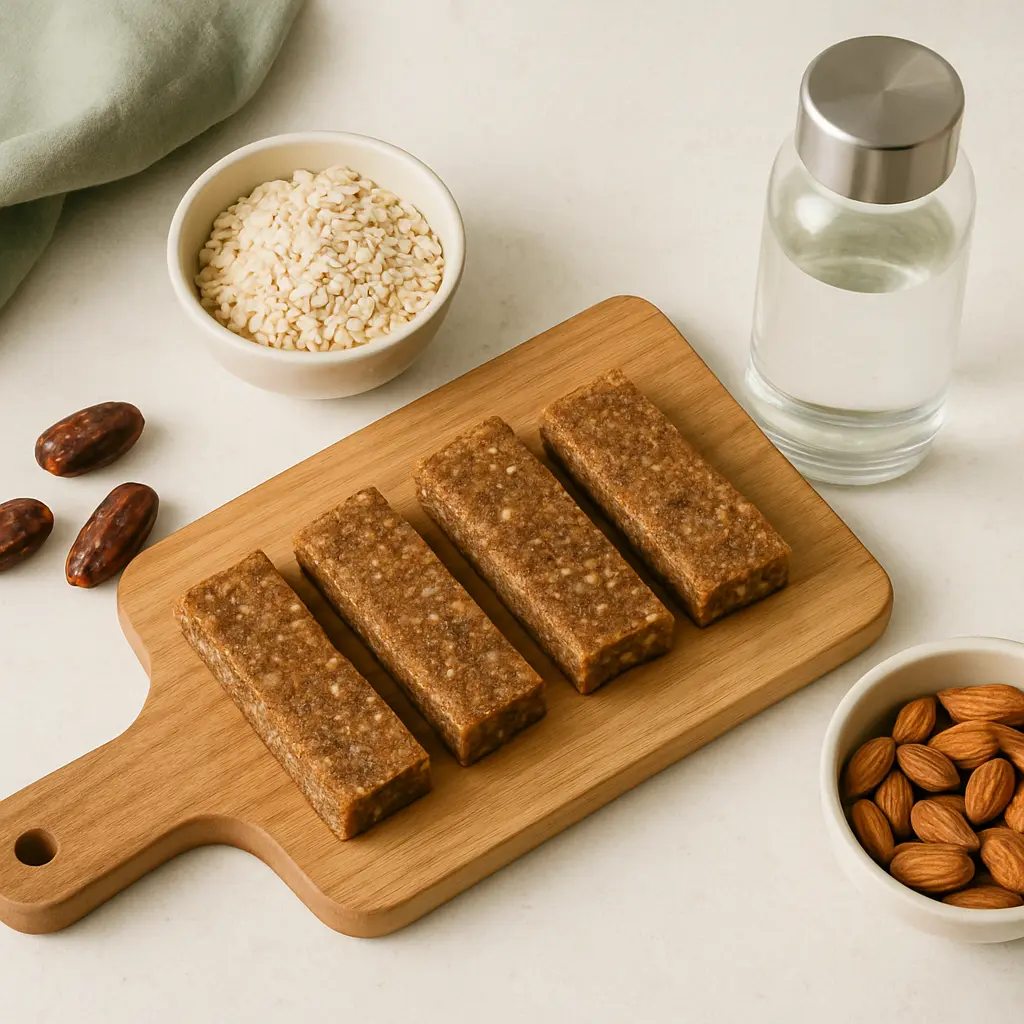
Energy Bars: A Convenient Nutritional Solution for Active Lifestyles
In this page
Maintaining an active lifestyle often comes with increased demands for calories and nutrients, especially among individuals who regularly engage in physical activity. For athletes and active individuals, it’s crucial to tailor their diet to provide the necessary energy throughout the day while ensuring the quality of consumed products. Energy bars have emerged as popular functional snacks, offering convenience and nutrition on the go. This article explores the benefits and drawbacks of energy bars, their different types, and how they fit into the diets of those leading active lifestyles.

Scientific Background and General Context
A balanced diet is fundamental for everyone, but it becomes even more critical for those who engage in regular physical activity. Exercise increases energy expenditure, and to support this, individuals must consume more calories and nutrients. The challenge lies in achieving this balance without over-relying on processed foods that can have adverse effects on health.Energy bars are designed to meet these needs by providing a quick source of energy and nutrients in a convenient form. Yet, not all energy bars are created equal. Some are laden with sugars and unhealthy fats, whereas others are crafted to provide a balanced mix of macronutrients and micronutrients. Understanding the nutritional composition of these bars is essential for making informed choices that support an active lifestyle.

Potential Downsides of Quick Snacks
While energy bars offer a convenient solution, some products in this category can lead to unintended negative health outcomes. Consuming foods rich in simple sugars and saturated fats can result in a range of health issues. Many commercial bars are high in sugar syrups and hydrogenated oils, providing calories without essential nutrients. Such bars can cause rapid spikes in blood glucose levels, leading to fatigue and recurrent hunger. Moreover, these bars may promote inflammation within the body, potentially weakening the immune system and increasing susceptibility to various diseases. The lack of protein, fiber, and healthy fats in these snacks often makes them a suboptimal choice for those who are physically active.
Composition of Energy Bars
Energy bars vary significantly in their nutritional profiles. Here is a general comparison of different types of bars:
| Type of Bar | Calories (kcal) | Protein (g) | Fats (g) | Carbohydrates (g) | Fiber (g) |
|---|---|---|---|---|---|
| Carbohydrate Bar | 180 – 300 | 2 – 8 | 3 – 10 | 30 – 50 | 2 – 6 |
| Protein Bar | 200 – 400 | 15 – 30 | 5 – 15 | 10 – 30 | 3 – 8 |
| Balanced Bar | 250 – 450 | 10 – 20 | 8 – 18 | 25 – 40 | 4 – 10 |
Each category of bar serves a different purpose. Carbohydrate bars provide a quick energy boost, protein bars support muscle repair and recovery, and balanced bars offer a mix of macronutrients, fiber, and vitamins, making them suitable as meal replacements.
Characteristics of Energy Bars for Athletes and Active Individuals
Energy bars are specially designed to cater to the needs of those who lead physically demanding lifestyles. An average energy bar provides between 200 to 400 calories, which can account for about 10-20% of the daily energy requirements of an adult. These bars are categorized based on their composition and intended use:
Categories of Energy Bars
- Carbohydrate Bars: These bars utilize a blend of simple and complex sugars to offer a rapid surge of energy, particularly beneficial for endurance sports and prolonged physical exertion. They typically contain minimal amounts of protein, fat, and fiber to expedite digestion and absorption.
- Protein Bars: Focused on delivering essential amino acids, protein bars are designed to aid muscle recovery post-exercise, while also promoting satiety.
- Balanced Bars: These bars combine well-proportioned macronutrients with fiber, vitamins (such as niacin, B6, B12, and folic acid), and minerals (including magnesium, calcium, zinc, and iron), making them an excellent meal substitute when traditional meal preparation is unfeasible.
Daily Use and Lifestyle Applications
Incorporating energy bars into the diet of an active individual requires strategic planning to ensure nutritional balance and meet high energy demands. Properly timing meals and snacks, including energy bars, helps maintain optimal energy levels throughout the day while offering dietary convenience and flexibility.For athletes balancing training with non-sporting work commitments, consuming up to two energy bars daily might be recommended. It’s crucial to select bars with high energy and nutritional density, characteristics not found in standard bars. Beginning the day with a nutritious breakfast rich in protein, fats, and complex carbohydrates — such as scrambled eggs with vegetables or oatmeal with yogurt, nuts, and fruits — sets a strong foundation. An energy bar rich in fiber and healthy fats can serve as the morning snack, providing gradual energy release.Lunch should incorporate a quality protein source, like meat or fish, complemented by carbohydrates (such as rice or pasta) and vegetables (like broccoli or bell peppers). Later in the day, before training or as post-exercise recovery, a second energy bar can deliver quickly absorbed nutrients, including simple carbohydrates.Dinner should be light, focusing on protein and healthy fats along with complex carbohydrates — for example, a salad with tuna and olive oil with buckwheat, or cottage cheese with flaxseeds and potatoes.
Balanced Perspective and Safety
While energy bars offer practical solutions for immediate nutritional needs, they should complement rather than replace a well-rounded diet rich in whole foods. It’s important to approach energy bars with a discerning eye, prioritizing bars with natural ingredients, minimal processing, and a balanced nutrient profile.Awareness of individual dietary needs and potential allergens is essential when selecting energy bars. Some bars may contain common allergens like nuts or gluten. Furthermore, individuals with specific health conditions should consult a healthcare professional or dietitian before incorporating energy bars into their diet.Ultimately, energy bars can play a valuable role in an active lifestyle, provided they are chosen wisely and used judiciously as part of a comprehensive and balanced dietary strategy.


