
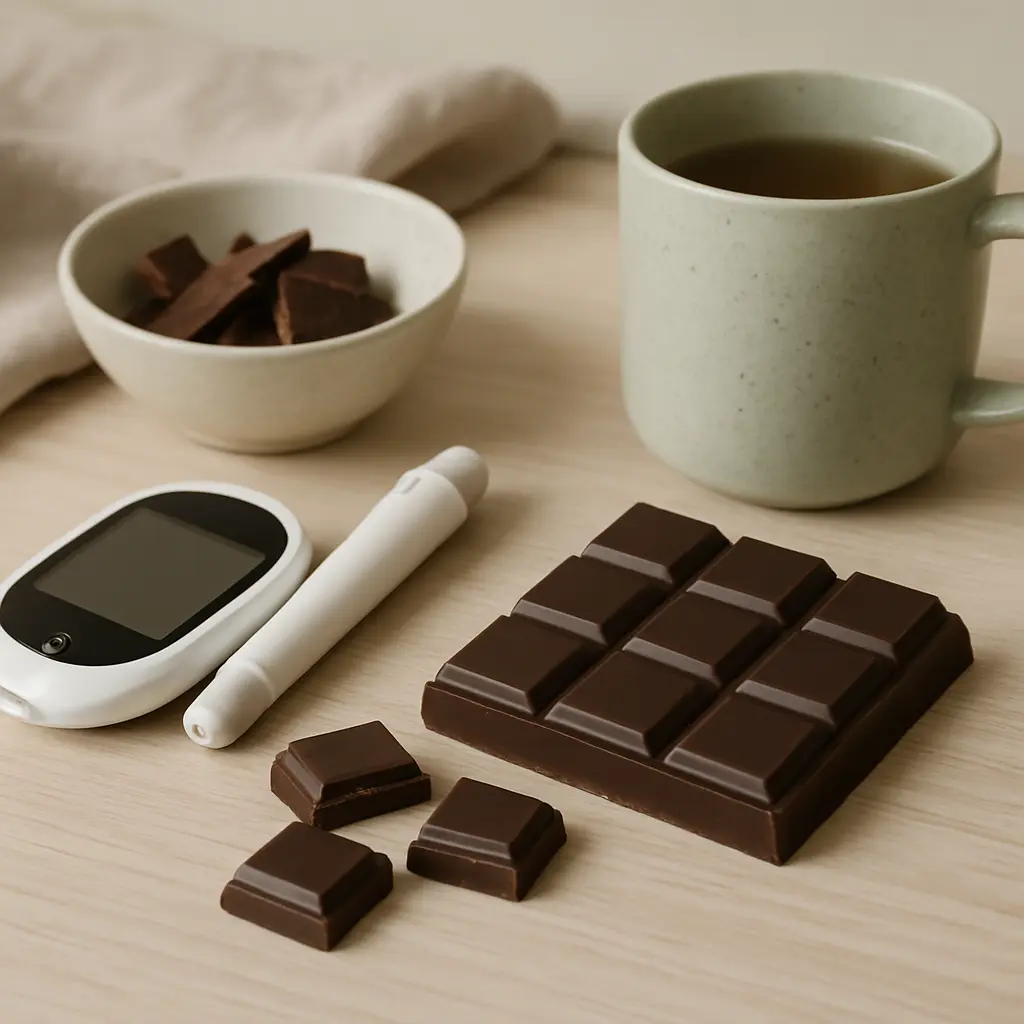
Diabetes Management: Choosing the Right Chocolate
In this page
Managing blood sugar levels is crucial for individuals with diabetes, as fluctuations can lead to various health issues. In this article, we explore the relationship between chocolate consumption and diabetes management. We discuss the physiological mechanisms of diabetes, factors influencing its development, and the types of chocolate that can be consumed with care. We also offer guidance on making chocolate choices that align with a diabetic diet while supporting overall health and wellness.

Scientific Background and General Context
Diabetes is a chronic condition that affects the way the body processes blood sugar (glucose). There are two primary types of diabetes—Type 1 and Type 2—both involving irregularities in insulin production and utilization. Insulin is a hormone produced by the pancreas that helps cells absorb glucose from the bloodstream for energy. In diabetes, this process is impaired, leading to elevated blood sugar levels.
Pathophysiology of Type 1 Diabetes
Type 1 diabetes is an autoimmune disorder where the body’s immune system mistakenly attacks and destroys insulin-producing beta cells in the pancreas. This condition typically manifests in childhood or early adulthood and requires lifelong insulin therapy. Without insulin, glucose remains in the bloodstream, leading to hyperglycemia and potential complications such as ketoacidosis and damage to organs.
Pathophysiology of Type 2 Diabetes
Type 2 diabetes is more common and is often associated with insulin resistance, where cells become less responsive to insulin. Initially, the pancreas compensates by producing more insulin, but over time, it can become exhausted. Lifestyle factors such as diet, physical activity, and weight play significant roles in the development and management of Type 2 diabetes.

Factors Influencing Diabetes
Genetic and Environmental Factors
Genetics can predispose individuals to diabetes, but lifestyle factors significantly influence the onset and progression of Type 2 diabetes. A diet rich in processed carbohydrates, physical inactivity, and obesity are major contributors. Chronic inflammation, often linked with excess body fat, exacerbates insulin resistance and disrupts metabolic functions.
Abdominal Obesity
Abdominal obesity, characterized by excess fat around the waist, poses a high risk for Type 2 diabetes. Fat tissue secretes substances called adipokines, which can impair insulin signaling. This issue, combined with aging-related metabolic decline, leads to persistent blood sugar regulation problems.
Chocolate and Diabetes
Understanding Chocolate’s Composition
Chocolate is derived from cocoa beans, comprising fats, carbohydrates, and bioactive compounds like flavonoids, catechins, and theobromine. These components contribute to chocolate’s flavor and potential health benefits. Dark chocolate, particularly variants with high cocoa content, is notable for its antioxidant properties.
Milk Chocolate vs. Sugar-Free Alternatives
Milk chocolate often contains high amounts of sugar and fats, which can lead to rapid blood sugar spikes. For those with diabetes, these spikes can be dangerous, potentially causing hyperglycemia. Sugar-free milk chocolate, on the other hand, uses alternative sweeteners like polyols (e.g., maltitol), which have lower glycemic indices and may better manage blood sugar levels.
The Benefits of Dark Chocolate
Dark chocolate, especially those with a cocoa content of 70% or higher, is a healthier option for diabetics. It contains less sugar and more flavonoids, which may enhance insulin sensitivity and reduce inflammation. The antioxidants in dark chocolate can mitigate oxidative stress, a common issue for diabetics that leads to complications such as neuropathy and cardiovascular diseases. Additionally, theobromine in cocoa can positively affect mood and mental energy.
Daily Use and Lifestyle Applications
Integrating chocolate into a diabetic diet requires mindful choices and moderation. Opt for sugar-free milk chocolate or dark chocolate with high cocoa content. When consuming chocolate, pair it with foods rich in fiber or protein, like nuts or yogurt, to stabilize blood sugar levels.
Practical Tips for Chocolate Consumption
- Choose dark chocolate with at least 70% cocoa to maximize health benefits.
- Limit portions to manage caloric intake and prevent blood sugar spikes.
- Combine chocolate with other nutrient-dense foods to enhance satiety and nutritional value.
Balanced Perspective and Safety
While chocolate can be enjoyed by those managing diabetes, it should fit into a balanced diet. Monitor blood sugar levels regularly to understand how different types of chocolate affect your body. Consult healthcare providers for personalized advice, especially if introducing new foods or adjusting medication.
Safety Considerations
Individuals with diabetes should be cautious of hidden sugars in commercially prepared chocolates and snacks. Always read labels and choose chocolates with low added sugars and high cocoa content. Be aware of potential digestive issues with sugar alcohols present in sugar-free chocolates.
Conclusion
Chocolate, when chosen wisely, can be part of a diabetic-friendly diet. Opt for dark chocolate with high cocoa content or sugar-free alternatives to enjoy the flavor and potential health benefits without compromising blood sugar control. Pairing chocolate with other nutritious foods and maintaining an active lifestyle are key components of effective diabetes management.


