
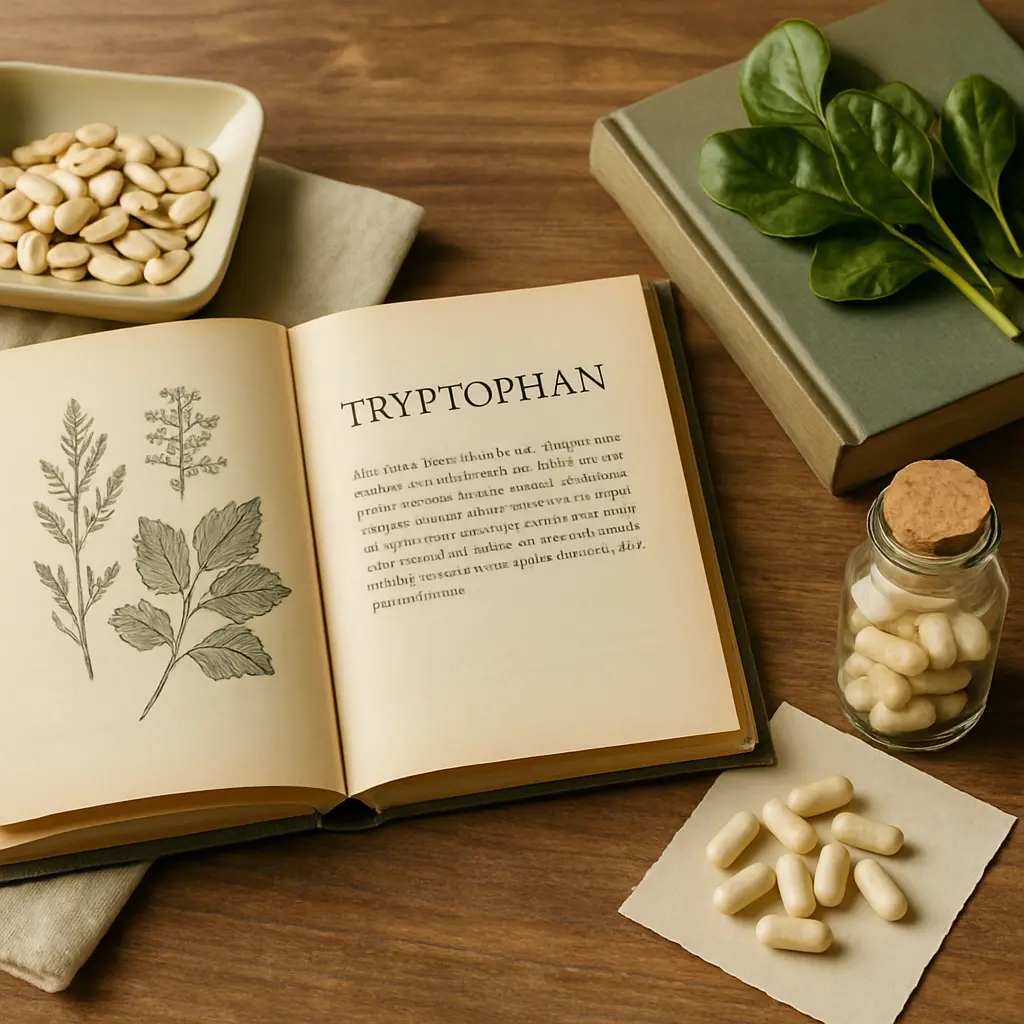
Understanding the Uses and Functions of Tryptophan
In this page
Tryptophan is an essential amino acid with a range of critical roles in human health. It is commonly associated with mood regulation and sleep quality due to its involvement in the production of serotonin and melatonin. This article delves into the various functions of tryptophan, its dietary sources, the potential benefits of supplementation, and considerations for safe use. Understanding these aspects can help you make informed decisions about incorporating tryptophan into your diet and wellness routine.
Introduction to Tryptophan
Tryptophan is one of the nine essential amino acids, meaning it cannot be synthesized by the human body and must be obtained through diet. It is a precursor to several important biochemicals, including serotonin, a neurotransmitter that regulates mood, and melatonin, a hormone that governs sleep cycles. Given its role in these processes, tryptophan is often associated with mental well-being and restful sleep. Nonetheless, its functions extend beyond mood and sleep, making it a vital component of overall health.
The Role of Tryptophan in the Body
In the human body, tryptophan serves multiple functions that are crucial for maintaining health. It contributes to the synthesis of proteins, which are necessary for building and repairing tissues. Tryptophan is also an integral part of producing niacin (vitamin B3) when adequate amounts are present in the diet, which is essential for energy production and DNA synthesis.
Tryptophan and Mood Regulation
One of the most well-known roles of tryptophan is its involvement in mood regulation. This amino acid is a precursor to serotonin, a neurotransmitter that influences mood, anxiety, and happiness. Low levels of serotonin are linked to mood disorders such as depression and anxiety. Consuming adequate tryptophan can support serotonin production, potentially aiding in mood stabilization and improving emotional well-being.
Sleep and Tryptophan
Tryptophan is also pivotal in sleep regulation. It acts as a precursor to melatonin, a hormone that regulates the sleep-wake cycle. As night falls, levels of melatonin increase, signaling to the body that it is time to prepare for sleep. By contributing to melatonin production, tryptophan can help enhance sleep quality and establish a more regular sleep pattern.
Dietary Sources of Tryptophan
The body relies on dietary intake to obtain tryptophan. Foods rich in protein are usually good sources of this amino acid. Animal-based proteins such as turkey, chicken, eggs, and dairy products contain significant amounts of tryptophan. Plant-based sources include nuts, seeds, soy products, and legumes. Incorporating a variety of these foods into your diet can help ensure you receive an adequate supply of tryptophan.
Tryptophan Supplements: Benefits and Considerations
While most people can obtain sufficient tryptophan through a balanced diet, supplements are available for those who might need additional support. These supplements can be beneficial for individuals with dietary restrictions, those at risk of deficiency, or people looking to address specific health concerns related to serotonin and melatonin production.
Safety and Dosage
When considering tryptophan supplements, it is important to adhere to recommended dosages and consult with a healthcare professional. Excessive intake may lead to side effects such as nausea, dizziness, or drowsiness. It is essential to use supplements judiciously, particularly if you are taking other medications or have underlying health conditions.
Potential Health Benefits of Tryptophan
Tryptophan intake, whether through diet or supplements, may offer several health benefits. Improved mood and reduced anxiety levels are among the most compelling reasons individuals seek tryptophan supplementation. Additionally, by supporting melatonin production, tryptophan can help improve sleep quality and combat insomnia. There is also some evidence suggesting tryptophan may aid in pain management and support cognitive function, although more research is needed to substantiate these claims.
Conclusion
Tryptophan plays a vital role in various physiological processes, impacting mood, sleep, and overall health. Understanding its functions and ensuring an adequate intake through diet or supplements can contribute to improved well-being. As with any dietary consideration, it is important to approach tryptophan consumption thoughtfully, with guidance from healthcare professionals where appropriate.
Frequently Asked Questions (FAQs)
- What is tryptophan? Tryptophan is an essential amino acid necessary for protein synthesis and the production of serotonin, melatonin, and niacin in the body.
- How does tryptophan affect mood? Tryptophan serves as a precursor to serotonin, a neurotransmitter that plays a key role in regulating mood, potentially helping to stabilize emotional states and reduce symptoms of depression and anxiety.
- Can tryptophan improve sleep quality? Yes, tryptophan contributes to melatonin production, which can help regulate the sleep-wake cycle and improve sleep quality.
- What foods are high in tryptophan? Foods rich in tryptophan include turkey, chicken, eggs, dairy, nuts, seeds, soy products, and legumes.
- Are tryptophan supplements safe? Tryptophan supplements are generally safe when used as directed. It is important to follow dosage recommendations and consult with a healthcare professional, especially if you have existing health conditions or are taking other medications.
This article is for informational purposes only and does not constitute medical advice. Always consult a registered dietitian or healthcare provider before starting any supplement regimen.




