
What Happens if You Get Too Much Taurine
In this page
Taurine is a naturally occurring amino acid that plays a vital role in numerous bodily functions, from supporting cardiovascular health to aiding neurological development. While taurine is generally regarded as safe and beneficial, there is a growing concern about excessive consumption, particularly through dietary supplements and energy drinks. This article explores the biology of taurine, its recommended daily intake, and the potential risks associated with consuming too much. We’ll also examine who might be at risk and how to ensure safe taurine consumption.
Understanding Taurine
Taurine is an amino acid that, unlike most amino acids, is not used for protein synthesis. Instead, it is found in high concentrations in the heart, brain, retina, and blood cells, where it modulates calcium signaling, acts as an antioxidant, and supports the development and function of the central nervous system. Taurine is considered conditionally essential, meaning the body can produce it, but under certain conditions, supplementation through diet becomes necessary.
Research highlights taurine’s role in maintaining electrolyte balance, forming bile salts for digestion, and regulating the immune system. Its presence is crucial during development, which has led to its inclusion in infant formulas. As a naturally occurring compound in the body, taurine is generally safe, but excessive intake can lead to unintended health consequences.
Recommended Daily Intake of Taurine
Currently, there is no established Recommended Daily Allowance (RDA) for taurine, as the body typically meets its needs through endogenous production and a balanced diet. For those seeking supplements, studies suggest that a daily intake of up to 3 grams is generally safe for adults. However, individual requirements may vary based on factors like age, health status, and lifestyle.
Individuals with certain conditions, such as heart failure or liver disease, may benefit from higher intakes under medical supervision. Nonetheless, when considering supplementation, it’s essential to consult healthcare professionals to tailor the intake to one’s specific needs and circumstances.
Sources of Taurine
Natural Sources
Taurine is abundant in animal-derived foods. Common dietary sources include meat, fish, and dairy products. For instance, dark poultry meat, beef, and certain fish like mackerel and salmon are rich in taurine. While plant-based foods contain minimal taurine, vegetarians and vegans can obtain it from fortified foods or supplements.
Taurine levels can also vary based on food preparation methods. Cooking methods that involve high temperatures, such as frying or grilling, may reduce taurine content, whereas steaming or boiling can preserve more of this amino acid.
Supplementation and Energy Drinks
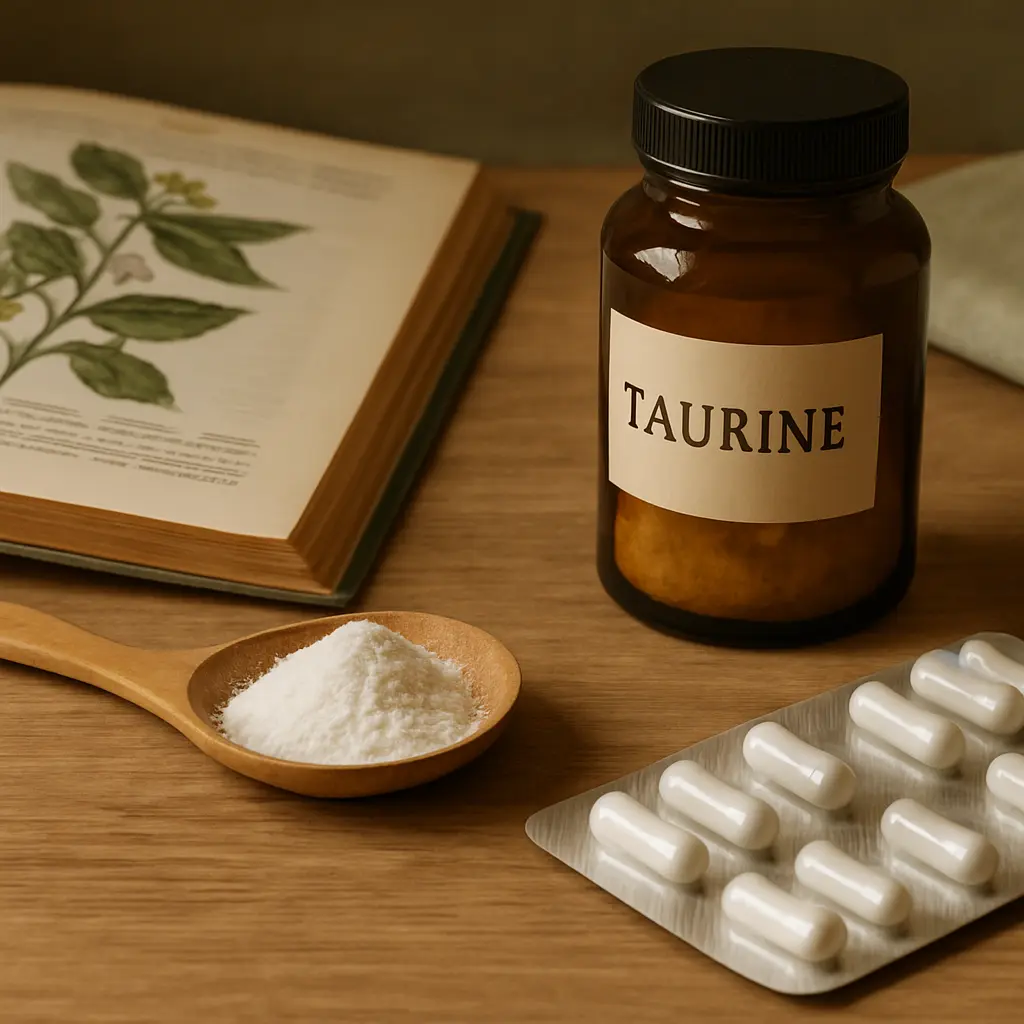
Taurine supplementation is popular among athletes and individuals seeking enhanced physical performance. Taurine supplements are available in various forms, including capsules, powders, and energy drinks. While energy drinks are a convenient source, they often contain high levels of caffeine and sugar, which can have additional health implications.
When choosing to supplement with taurine, it is crucial to read labels carefully and be aware of the total taurine content, along with other ingredients. Keeping track of daily intake from all sources helps prevent excessive consumption.
Potential Side Effects of Excessive Taurine
Short-term Effects
In the short term, excessive taurine intake can lead to mild side effects such as nausea, dizziness, or stomach upset. These symptoms are typically self-limiting and resolve with a reduction in taurine consumption. However, individuals may respond differently based on their unique physiology and overall health.
Transient side effects often occur when taurine is consumed in conjunction with other stimulants or ingredients found in energy drinks, leading to an amplified impact. Monitoring the body’s response to taurine intake is crucial to avoid discomfort.
Long-term Health Risks
The long-term effects of excessive taurine consumption remain less well-defined, but there is potential for adverse outcomes. Overconsumption may contribute to electrolyte imbalances, particularly in individuals with underlying health conditions like kidney disease. Chronic high intake can strain the kidneys and liver as they work to process and excrete excess taurine.
Moreover, habitual high consumption of taurine-laden energy drinks poses risks due to their caffeine content, potentially increasing heart rate and blood pressure, which can lead to cardiovascular issues over time.
Who is at Risk of Taurine Overconsumption?
Certain populations may be more susceptible to taurine overconsumption. Frequent consumers of energy drinks, athletes who heavily supplement, and individuals following high-protein diets could exceed recommended taurine levels. Adolescents and young adults, attracted to energy drinks for their stimulating effects, are also at risk.
Individuals with pre-existing health conditions, such as heart or kidney disease, should exercise caution and consult healthcare providers before significantly increasing taurine intake. Personalized medical advice is crucial for these individuals to avoid exacerbating their conditions.
Case Studies and Scientific Research
The scientific community has conducted numerous studies exploring taurine’s effects on health. Research has investigated its potential benefits, such as enhanced athletic performance, improved heart health, and neuroprotection. However, studies on excessive consumption are limited, with most insights derived from anecdotal evidence and the known effects of overconsuming similar compounds.
A notable case involves athletes who supplemented excessively with taurine and experienced symptoms of toxicity, highlighting the need for moderation. Ongoing research aims to better understand the thresholds of safe taurine consumption and its long-term impact on human health.
Ensuring Safe Taurine Intake
Monitoring Consumption
To ensure safe taurine consumption, individuals should be mindful of their daily intake from both dietary and supplemental sources. Awareness of food labels and product information is vital for accurate monitoring. Consulting with healthcare providers can help set personalized intake limits, particularly for those with health conditions or unique dietary needs.
Keeping a log or journal of daily taurine intake can be an effective tool for managing consumption levels and identifying potential sources of excess.
Balancing Taurine with Other Nutrients
Maintaining a balanced diet is key to preventing nutrient imbalances and ensuring overall health. While taurine plays a supportive role, it is essential to consume it alongside other nutrients like vitamins, minerals, and amino acids for optimal function. A diverse diet rich in fruits, vegetables, whole grains, and lean proteins helps achieve this balance.
In addition, staying hydrated supports the body’s ability to process and utilize taurine efficiently, preventing potential adverse effects from excess consumption.
Conclusion
Taurine is a beneficial amino acid that supports various physiological functions. While moderate consumption is generally safe, excessive intake, particularly from supplements and energy drinks, can pose health risks. Awareness of personal intake, consultation with healthcare providers, and a balanced diet are essential strategies for ensuring safe taurine levels.
By understanding the sources, potential side effects, and safe consumption practices of taurine, individuals can effectively integrate this nutrient into their diet to support overall health without adverse consequences.
References and Further Reading
-
Dietary Reference Intakes: The Essential Guide to Nutrient Requirements. National Academies Press.
-
Birdsall, T. C. (1998). Therapeutic Applications of Taurine. Alternative Medicine Review, 3(2), 128-136.
-
Shao, A., & Hathcock, J. N. (2008). Risk assessment for the amino acids taurine, L-glutamine, and L-arginine. Regulatory Toxicology and Pharmacology, 50(3), 376-399.
-
Energy Drinks: An Assessment of Their Market Size, Consumer Demographics, Ingredient Profile, Functionality, and Regulations in the United States. Nutrition Reviews, 66(3), 191-202.
This article is for informational purposes only and does not constitute medical advice. Always consult a registered dietitian or healthcare provider before starting any supplement regimen.




