
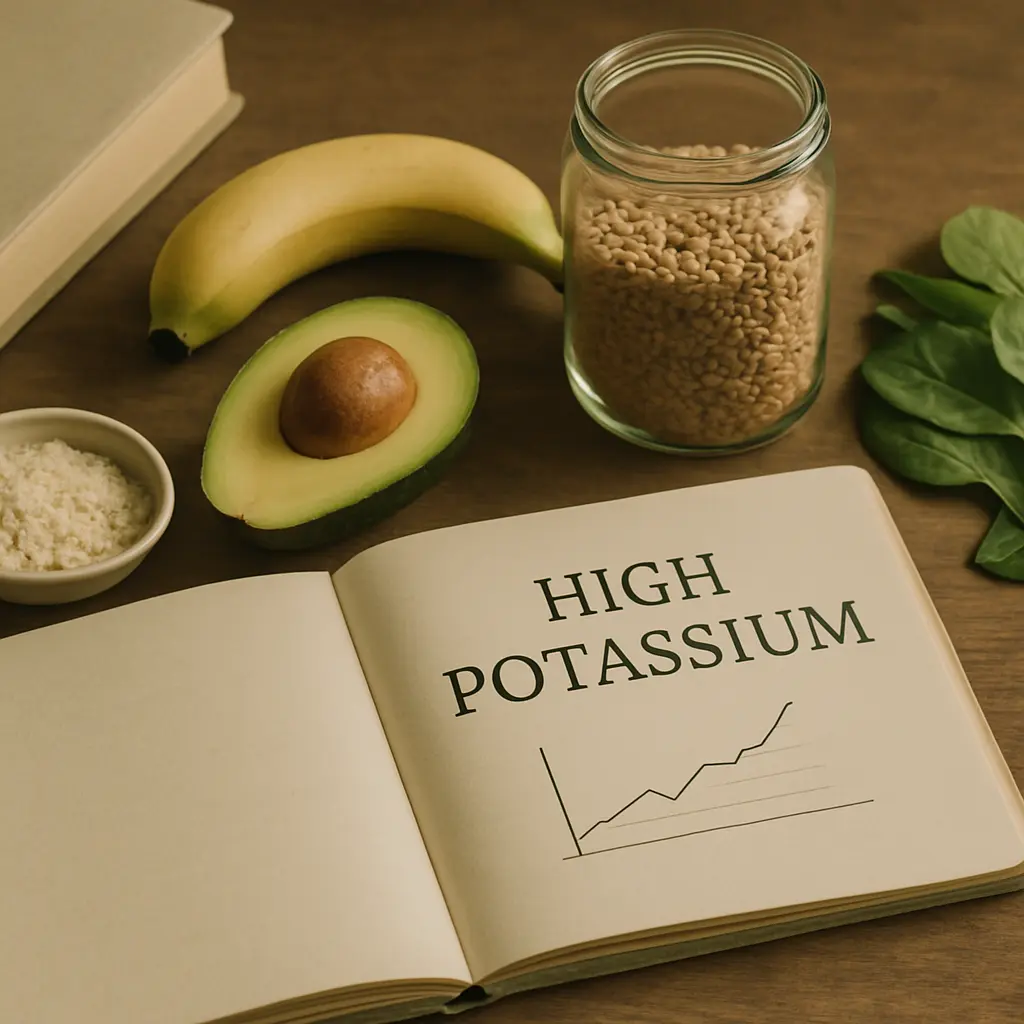
What Happens if You Get Too Much Potassium?
In this page
Potassium is an essential mineral that plays a critical role in many bodily functions, including nerve signaling and muscle contraction. However, like many nutrients, an excess of potassium can lead to health issues. In this article, we delve into the significance of potassium in the human body, explore the recommended dietary intake, and discuss the causes and consequences of having too much potassium—known as hyperkalemia. We will also look at the symptoms, diagnosis, and treatment of this condition, as well as how to prevent it.
Introduction to Potassium
Potassium is a vital mineral and electrolyte that helps maintain fluid balance, supports proper nerve function, and aids in muscle contractions. It is instrumental in maintaining a stable blood pressure by counteracting the effects of sodium. Potassium is naturally present in many foods, particularly fruits, vegetables, meats, and dairy products. Given its widespread availability in a typical diet, potassium deficiency is relatively rare, but maintaining the right balance is crucial for optimal health.
Recommended Dietary Allowance (RDA) of Potassium
The recommended dietary allowance for potassium varies by age, gender, and life stage. For adults, the recommended intake is around 4,700 milligrams per day. Pregnant and lactating women may require slightly more. These recommendations are established to maintain normal physiological functions and support overall health. It’s important to note that while dietary sources of potassium are generally safe, excessive intake, particularly from supplements, can lead to potential health issues.
Causes of Hyperkalemia (Excess Potassium)
Hyperkalemia refers to an abnormally high level of potassium in the blood. There are several potential causes, including:
- Kidney Dysfunction: Since the kidneys filter out excess potassium, any impairment can lead to accumulation.
- Certain Medications: Some drugs, such as potassium-sparing diuretics and ACE inhibitors, can elevate potassium levels.
- Dietary Supplements: Overuse of potassium supplements or salt substitutes can lead to excess intake.
- Uncontrolled Diabetes: Poorly managed diabetes can cause shifts in potassium balance.
- Dehydration: Severe dehydration can concentrate potassium levels in the blood.
Symptoms of High Potassium Levels
Symptoms of hyperkalemia can vary depending on the severity but may include:
- Fatigue and weakness
- Numbness or tingling sensations
- Nausea or vomiting
- Difficulty breathing
- Heart palpitations or irregular heartbeats
- Chest pain
- Muscle paralysis
Since these symptoms can overlap with other conditions, it’s important to seek medical advice if you suspect high potassium levels.
Health Risks and Complications of Hyperkalemia
Unchecked hyperkalemia can lead to serious health complications, primarily affecting the cardiovascular system:
Risks of Potassium from Supplements vs Natural Sources
While dietary potassium from natural sources is typically safe, supplements carry a higher risk of overdose. This is particularly concerning for individuals with underlying health issues such as kidney disease. Foods high in potassium, like bananas and spinach, offer additional nutrients and fiber, helping regulate absorption more naturally than supplements.
Diagnosis and Testing for High Potassium Levels
Diagnosing hyperkalemia typically involves a blood test to measure potassium levels. A normal potassium level ranges between 3.6 and 5.2 millimoles per liter (mmol/L). Levels above this range necessitate further investigation. Physicians may conduct additional tests to identify underlying causes, such as kidney function tests or an electrocardiogram (ECG) to assess heart function.
Treatment and Management of Excess Potassium
Treatment for hyperkalemia depends on the severity and underlying cause. Mild cases often require dietary adjustments and increased fluid intake. More severe instances may necessitate medications that help excrete potassium via urine or stabilize the heart’s electrical activity. In acute cases, hemodialysis may be required to quickly remove potassium from the bloodstream.
Preventing Hyperkalemia
Preventing high potassium levels involves a balanced approach to diet and lifestyle:
- Balanced Diet: Consume a varied diet rich in fruits, vegetables, and whole grains to naturally regulate potassium levels.
- Regular Monitoring: Individuals with kidney disease or other risk factors should regularly monitor their potassium levels.
- Medication Management: Work with healthcare providers to adjust medications that may impact potassium balance.
- Hydration: Maintain adequate hydration to support kidney function and electrolyte balance.
Conclusion
Potassium is an essential nutrient that plays numerous roles in maintaining health, but like many nutrients, balance is key. Understanding the potential causes and symptoms of hyperkalemia can help in managing and preventing this condition. Regular monitoring, especially for those at risk, alongside lifestyle adjustments, can effectively maintain healthy potassium levels and promote overall well-being.
FAQs about Potassium and Health
- Can you get enough potassium from your diet alone? Yes, most people can meet their potassium needs through a balanced diet rich in fruits, vegetables, and other whole foods.
- Who is at risk for hyperkalemia? Individuals with kidney disease, those taking certain medications, and those with uncontrolled diabetes are at higher risk.
- Is it safe to use potassium supplements? Potassium supplements should only be used under medical supervision, as the risk of overdose is higher compared to dietary sources.
- What are common foods high in potassium? Bananas, potatoes, spinach, and avocados are all excellent sources of potassium.
- How is hyperkalemia treated? Treatment varies but may include dietary adjustments, medications, or dialysis in severe cases.
This article is for informational purposes only and does not constitute medical advice. Always consult a registered dietitian or healthcare provider before starting any supplement regimen.




