What Foods Contain Iodine
In this page
Iodine is an essential trace element vital for the production of thyroid hormones, which regulate metabolism, energy production, and overall health. Understanding which foods contain iodine can help ensure that you meet your daily nutritional requirements. This article explores the importance of iodine, its primary food sources, and factors affecting its content in foods. We also address dietary considerations, daily requirements, and practical steps to maintain healthy iodine levels.
Introduction to Iodine and Its Importance
Iodine is a critical mineral necessary for the synthesis of thyroid hormones, namely thyroxine (T4) and triiodothyronine (T3). These hormones play a key role in regulating metabolic rate, heart and digestive function, muscle control, brain development, and bone maintenance. A deficiency in iodine can lead to thyroid-related disorders such as goiter, hypothyroidism, and developmental issues in children.
Although iodine is needed in small amounts, it is crucial for health, particularly in pregnant women, infants, and young children, as it supports proper brain and physical development. The human body does not produce iodine naturally, so it must be obtained through diet.
Seafood – The Richest Source of Iodine
Fish and Shellfish
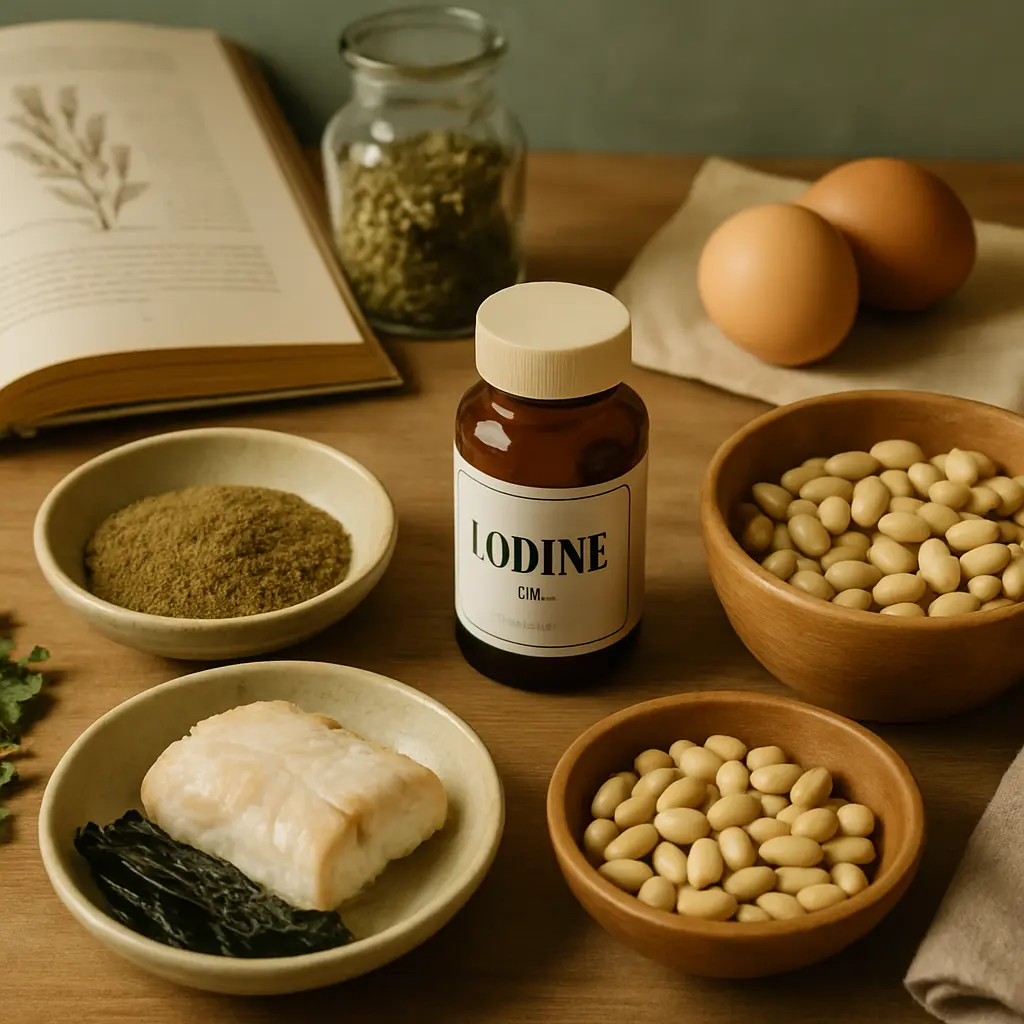
Seafood is among the richest natural sources of iodine. Fish such as cod, tuna, and sardines are particularly high in iodine content. Shellfish, including shrimp, scallops, and oysters, also provide significant amounts of iodine. The high iodine levels in seafood are largely attributed to the iodine-rich environment of the ocean.
Incorporating a variety of fish and shellfish into your diet not only provides iodine but also other essential nutrients such as omega-3 fatty acids, vitamin D, and protein. Regular consumption of seafood can contribute to overall health and support adequate iodine intake.
Seaweed and Kelp
Seaweed, particularly varieties like kelp, wakame, and nori, are incredibly rich in iodine. These marine plants accumulate iodine from the ocean, often containing higher concentrations than animal-based seafood. Kelp is known for its exceptionally high iodine content and is commonly used in supplements and food products.
While seaweed is an excellent source of iodine, its consumption should be moderated, as excessive intake can lead to thyroid dysfunction. Including seaweed in moderation, as part of a balanced diet, can effectively help meet iodine requirements.
Dairy Products and Their Iodine Content
Milk and Cheese
Dairy products such as milk and cheese are convenient sources of iodine. The iodine content in milk can vary based on factors like animal feed and farming practices. Typically, dairy farmers use iodine-containing disinfectants and feeds, which contribute to the iodine levels in milk.
Cheese, being a product of milk, also contains iodine, although the concentration can differ among cheese types. Regular consumption of dairy products can help maintain adequate iodine intake, alongside providing calcium and vitamin D.
Yogurt
Yogurt is another dairy product that offers iodine, along with probiotics beneficial for digestive health. Similar to milk, the iodine content in yogurt depends on the source of milk and processing methods. Yogurt is a versatile food that can be easily incorporated into meals as a snack, breakfast option, or dessert.
Iodine in Grains and Breads
Bread and Cereal Products
Grains and breads can contribute to iodine intake, particularly when made with iodized salt or ingredients containing iodine. In some regions, bread is made with dough conditioners that contain iodine, enhancing its nutritional value. Whole grain cereals and breads are not only sources of iodine but also provide dietary fiber, vitamins, and minerals.
For individuals with gluten intolerance or celiac disease, gluten-free bread options are available that may also contain iodine, depending on the ingredients used.
Fortified Foods and Iodine Supplements
Iodized Salt
Iodized salt is a primary strategy to prevent iodine deficiency. It involves adding small amounts of iodine to table salt, ensuring that even small quantities consumed provide a reliable iodine source. The introduction of iodized salt has significantly reduced the prevalence of iodine deficiency disorders worldwide.
While iodized salt is a convenient source of iodine, it is important to monitor its usage to avoid excess sodium intake, which is associated with health risks like hypertension. Balancing salt intake with other iodine-rich foods can help maintain healthy iodine levels.
Supplements
In some cases, iodine supplements may be necessary, particularly for individuals with dietary restrictions or those living in iodine-deficient regions. Supplements can be beneficial for pregnant or breastfeeding women to ensure adequate iodine intake for fetal and infant development.
Before starting any supplement regimen, it is advisable to consult a healthcare professional to determine appropriate dosage and prevent excessive intake, which can lead to thyroid complications.
Vegetables and Their Variable Iodine Content
Iodine-rich Vegetables
While vegetables generally contain less iodine than seafood or dairy, some varieties can contribute to iodine intake. Potatoes, beans, and spinach are examples of vegetables that contain trace amounts of iodine. The iodine content in vegetables is influenced by soil conditions and agricultural practices.
Including a diverse array of vegetables in your diet not only provides iodine but also delivers essential vitamins, minerals, and antioxidants, promoting overall health and well-being.
Factors Affecting Iodine Content in Foods
Several factors influence the iodine content in foods, including soil iodine levels, use of iodine-containing animal feeds, and the iodine content of water. Geographic variations play a significant role, as regions with iodine-poor soils often have lower iodine levels in locally produced food.
Processing and preparation methods can also affect iodine content. For example, boiling can reduce the iodine content of vegetables, while baking or steaming may preserve it better. Understanding these factors can help in making informed dietary choices to optimize iodine intake.
Dietary Considerations and Daily Requirements
The Recommended Dietary Allowance (RDA) for iodine varies by age, sex, and physiological status. For adults, the RDA is approximately 150 micrograms per day. Pregnant and breastfeeding women have higher requirements to support fetal and infant development, with RDAs of 220 and 290 micrograms per day, respectively.
Individuals following restricted diets, such as vegans or those with specific food allergies, should pay particular attention to iodine intake. Consulting a nutritionist or healthcare provider can help tailor dietary plans to meet iodine needs without excessive reliance on supplements.
Conclusion – Maintaining Healthy Iodine Levels
Ensuring adequate iodine intake is essential for thyroid health and overall well-being. By incorporating a variety of iodine-rich foods such as seafood, dairy, grains, and fortified products, individuals can meet their nutritional requirements effectively. Awareness of factors affecting iodine content and maintaining a balanced diet are key strategies in preventing deficiency.
Consulting with healthcare professionals can provide personalized guidance, especially for those with unique dietary needs or living in regions with iodine-deficient soils. With mindful dietary choices, maintaining healthy iodine levels is achievable for everyone.
FAQs About Iodine in Foods
- Can too much iodine be harmful? Excessive iodine intake can lead to thyroid dysfunction and should be avoided. The Tolerable Upper Intake Level for adults is 1,100 micrograms per day.
- What are the symptoms of iodine deficiency? Symptoms may include fatigue, weight gain, cold intolerance, and goiter. Severe deficiency in pregnant women can impact fetal development.
- Is iodized salt the best way to get iodine? While iodized salt is an effective source, it should be complemented with other iodine-rich foods to avoid excessive sodium intake.
- Do all sea salts contain iodine? Not all sea salts contain iodine. It is important to check labeling for iodization.
- How does cooking affect iodine in foods? Cooking methods like baking or steaming preserve iodine content better than boiling.
This article is for informational purposes only and does not constitute medical advice. Always consult a registered dietitian or healthcare provider before starting any supplement regimen.