Where Does Inositol Come From?
In this page
Inositol is a lesser-known nutrient that plays a crucial role in cellular processes and overall health. Often grouped with B vitamins, inositol can be found naturally in various foods, and it’s also available as a dietary supplement. This article explores the origins of inositol, its natural sources, its benefits when taken as a supplement, and its importance for human health. We will also consider daily intake requirements and how to ensure sustainable consumption.
Introduction to Inositol
Inositol, sometimes referred to as vitamin B8, is a carbohydrate that is crucial for the structural integrity of cell membranes and the functioning of neurotransmitters. Despite its association with B vitamins, inositol is not classified as an essential nutrient because the human body is capable of synthesizing it. It is vital for numerous bodily functions, including fat metabolism and cellular signaling. While the body can produce inositol, obtaining it through diet can be beneficial for maintaining optimal health.
Natural Sources of Inositol
Inositol is naturally found in a variety of foods, both plant-based and animal-based. It is present in relatively high amounts in certain fruits, beans, grains, and meats. Consuming a balanced diet ensures a sufficient intake of inositol, alongside other essential nutrients.
Plant-Based Sources
Plant-based sources of inositol are abundant and include fruits such as oranges, cantaloupes, and bananas. Whole grains like brown rice, oats, and whole wheat also contain significant levels of inositol. Legumes, particularly beans and lentils, are another excellent source. Additionally, nuts and seeds like almonds and sesame seeds offer inositol along with healthy fats and proteins, making them a well-rounded choice for those seeking to increase their intake through a vegetarian or vegan diet.
Animal-Based Sources
Inositol is also found in animal products, though to a lesser extent compared to plant sources. Meat, especially organ meats like liver, can provide this nutrient. Eggs and certain fish varieties also contain inositol. Including a mix of animal-based foods can help diversify the nutritional profile of your diet, although most of the benefits of inositol can be obtained from plant-based foods.
Inositol in Supplements
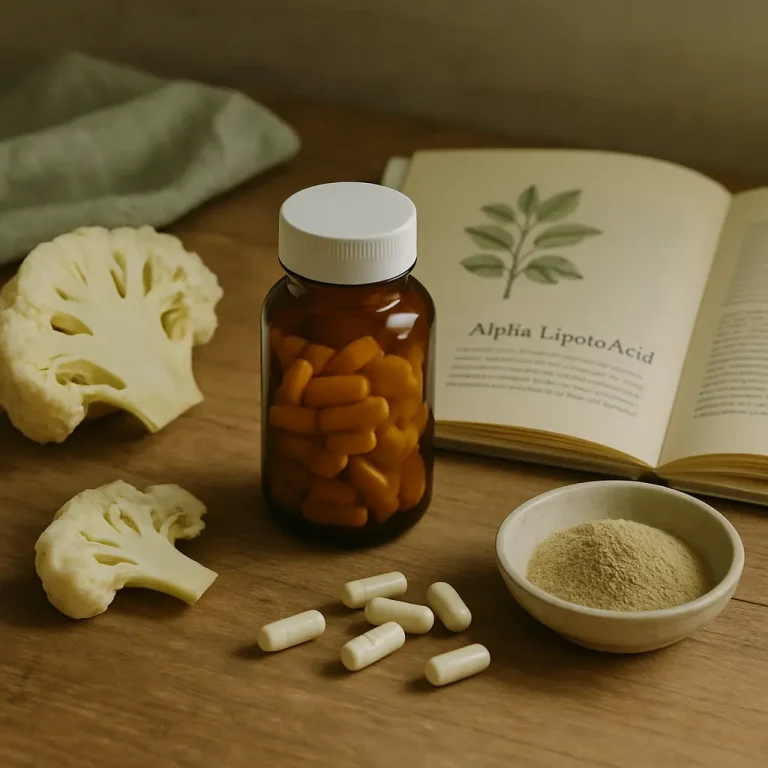
For individuals who do not get enough inositol from their diet, supplements are a convenient option. These supplements often come in the form of capsules or powders and provide a concentrated dose of the nutrient.
Benefits of Inositol Supplements
Supplementing with inositol can offer several health benefits. It has been studied for its potential to support mood regulation, particularly in individuals with conditions such as depression and anxiety. Inositol supplements have also been researched for their role in improving insulin sensitivity, which is especially beneficial for those with polycystic ovary syndrome (PCOS) or metabolic syndrome. Moreover, inositol may aid in reducing symptoms associated with hormonal imbalances and improving fertility.
Inositol and Human Health
The role of inositol in human health is multifaceted. It is crucial for cellular communication, regulating the activity of insulin, and influencing brain function. Adequate levels of inositol have been linked to improved nerve function and mental health. Furthermore, inositol’s function in fat metabolism can contribute to maintaining healthy cholesterol levels, supporting cardiovascular health.
Daily Inositol Requirements
While there is no established recommended daily intake for inositol, typical dietary intake from food sources ranges from 1 to 2 grams per day. Supplements can provide higher doses if needed, but it is advisable to consult with a healthcare professional before starting supplementation, especially for therapeutic uses.
Signs of Inositol Deficiency
Inositol deficiency is not commonly recognized as a medical condition because the body can synthesize it. However, low levels might contribute to certain symptoms, such as mood disturbances, fatigue, or metabolic issues. Ensuring a diet rich in inositol-containing foods can help mitigate these risks.
Sustainable Inositol Consumption
Sustainable consumption of inositol begins with a varied diet that prioritizes whole, unprocessed foods. By focusing on plant-based sources, such as fruits, grains, and legumes, individuals can meet their inositol needs while also supporting environmental sustainability. For those opting for supplements, choosing products from reputable sources can ensure quality and efficacy, contributing to better health outcomes without compromising environmental responsibilities.
Conclusion
Inositol is an important nutrient with a wide range of health benefits, from supporting mental health to aiding metabolic processes. By understanding its natural sources and potential benefits as a supplement, individuals can make informed decisions about their diet and health strategies. Whether obtained through food or supplements, maintaining adequate inositol levels can contribute significantly to overall well-being.
References and Further Reading
- Scientific literature on the roles of inositol in cellular functions and mental health.
- Dietary guidelines and research on the importance of plant-based sources for inositol.
- Clinical studies on the benefits of inositol supplements for specific health conditions.
- Resources on sustainable eating practices and the environmental impact of food choices.
This article is for informational purposes only and does not constitute medical advice. Always consult a registered dietitian or healthcare provider before starting any supplement regimen.