What is Valine?
In this page
Valine is one of the nine essential amino acids that play a crucial role in the human body. As a building block of proteins, it is indispensable for various metabolic processes and the maintenance of muscle tissue. This article explores the chemical nature, biological significance, dietary sources, and the potential health benefits of valine. Additionally, it addresses recommended intake levels, its influence on athletic performance, and safety considerations.
Introduction to Valine
Valine, alongside leucine and isoleucine, forms the trio of branched-chain amino acids (BCAAs), which are vital for human health. As an essential amino acid, valine must be obtained through diet, as the human body cannot synthesize it on its own. Its primary function is to support muscle growth and repair, making it particularly significant for athletes and individuals with high physical demands. Understanding the role of valine in nutrition and health is essential for optimizing dietary habits and enhancing overall wellness.
Chemical Structure and Properties of Valine
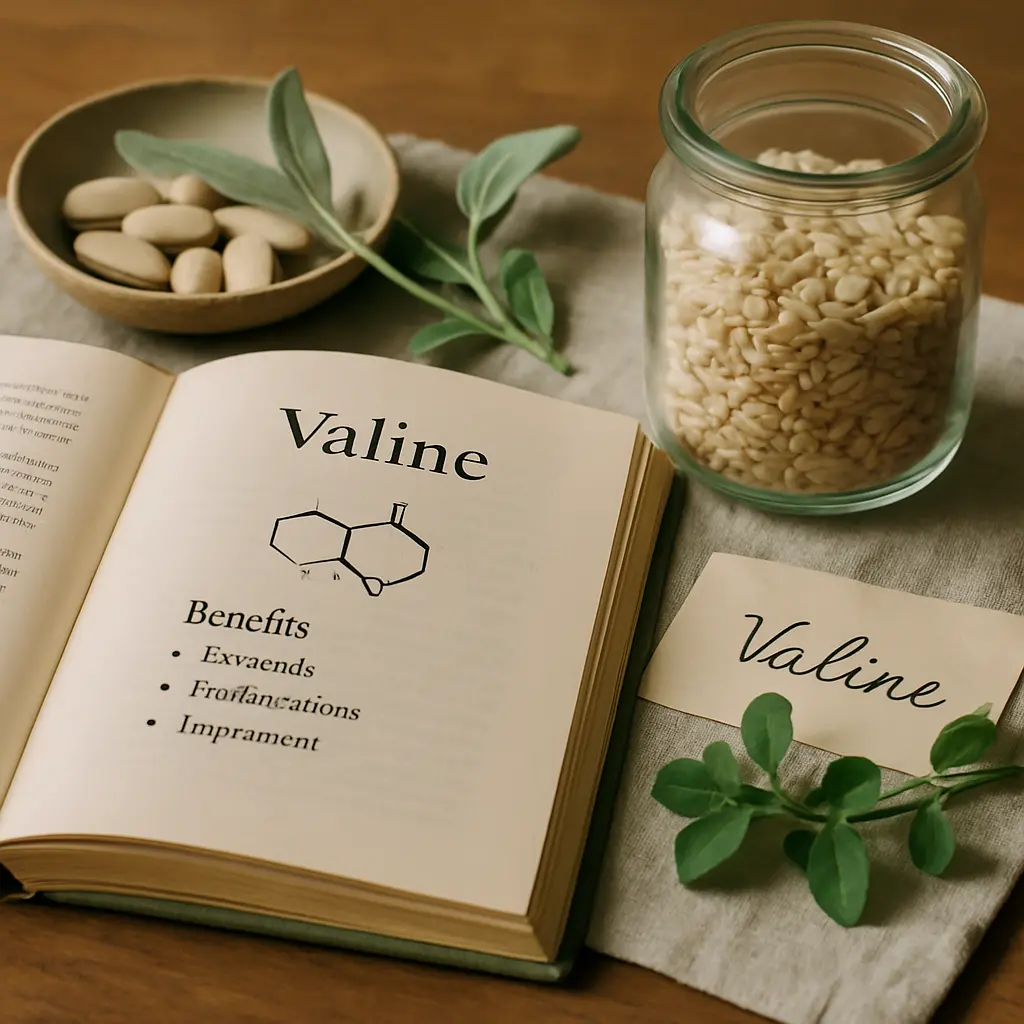
Valine is characterized by its branched-chain structure, which sets it apart from other amino acids. Chemically, valine is known as 2-amino-3-methylbutanoic acid. Its unique structure consists of a central carbon attached to an amino group, a carboxyl group, and a distinctive isopropyl side chain. This branched side chain renders valine hydrophobic, influencing its behavior in proteins and its interaction with other molecules. These properties are crucial for its role in protein synthesis and metabolic functions.
Biological Functions of Valine
Valine serves several critical functions within the body, primarily associated with protein synthesis and energy provision. As a component of muscle proteins, it is integral to the maintenance and repair of muscle tissues. Additionally, valine is involved in nitrogen balance, which is essential for tissue repair and growth. It also plays a part in glucose metabolism, serving as an energy source during prolonged physical activity.
Valine in Muscle Metabolism
In muscle metabolism, valine acts as a key player by providing energy and supporting protein synthesis. During intense physical activity, muscles require additional amino acids to sustain performance and facilitate recovery. Valine, along with other BCAAs, is broken down directly within the muscles to serve as an energy source, bypassing the liver. This process helps delay muscle fatigue and accelerates recovery, making valine particularly important for athletes and those engaged in strenuous activities.
Sources of Valine
Valine is predominantly found in protein-rich foods, both from animal and plant origins. Excellent sources include meat, dairy products, eggs, fish, and poultry. For those following plant-based diets, legumes, soy products, nuts, seeds, and whole grains are significant contributors to valine intake. Ensuring a balanced diet with diverse protein sources can help meet the body’s valine requirements effectively. For those unable to meet these needs through diet alone, valine supplements are available, though they should be used judiciously and preferably under professional guidance.
Recommended Daily Intake of Valine
The required intake of valine varies based on factors such as age, sex, and level of physical activity. For healthy adults, the general recommendation is around 14 milligrams per pound of body weight per day. This translates to approximately 980 milligrams daily for a person weighing 150 pounds. However, individuals engaged in high-intensity sports might require greater quantities to support enhanced muscle repair and performance. Consulting a healthcare provider or nutritionist can offer personalized guidance tailored to specific dietary needs.
Potential Benefits and Uses of Valine
Valine provides several health benefits, largely tied to its role in muscle maintenance and energy production. Its intake is particularly advantageous for athletes seeking to optimize performance and recovery. Moreover, valine contributes to cognitive function and mental stamina, which can be beneficial beyond physical health.
Valine and Athletic Performance
Athletes often seek to optimize muscle function and endurance, and valine is central to these goals. By improving muscle metabolism and reducing the breakdown of muscle proteins during exercise, valine enhances endurance and promotes quicker recovery. It also assists in delaying the onset of fatigue, allowing for prolonged and more effective training sessions. This makes valine supplementation a common practice among athletes, although it should be approached cautiously to ensure safe and effective use.
Side Effects and Considerations
While valine is essential for health, excessive intake can lead to potential side effects. Overconsumption might result in digestive distress, such as nausea or bloating. Additionally, high doses of valine could interfere with the balance of other amino acids, affecting their absorption and utilization. It is crucial to maintain a balanced intake, ideally guided by a healthcare professional, especially when considering supplements. People with specific medical conditions or those who are pregnant or breastfeeding should seek medical advice before making significant dietary changes.
Conclusion
Valine is a vital component of a balanced diet, integral to muscle health, energy metabolism, and overall well-being. It plays a significant role in promoting muscle recovery and performance, making it particularly relevant for physically active individuals. By ensuring adequate intake from diverse food sources, most people can meet their valine requirements without supplementation. As with all nutrients, moderation and balance are key, with an emphasis on personalized dietary needs and professional guidance to optimize health outcomes.
References
Further information on valine can be found in scientific literature and nutritional guidelines provided by reputable health organizations. Consulting peer-reviewed articles and expert recommendations will support a comprehensive understanding of valine’s role in human health and nutrition.
This article is for informational purposes only and does not constitute medical advice. Always consult a registered dietitian or healthcare provider before starting any supplement regimen.