
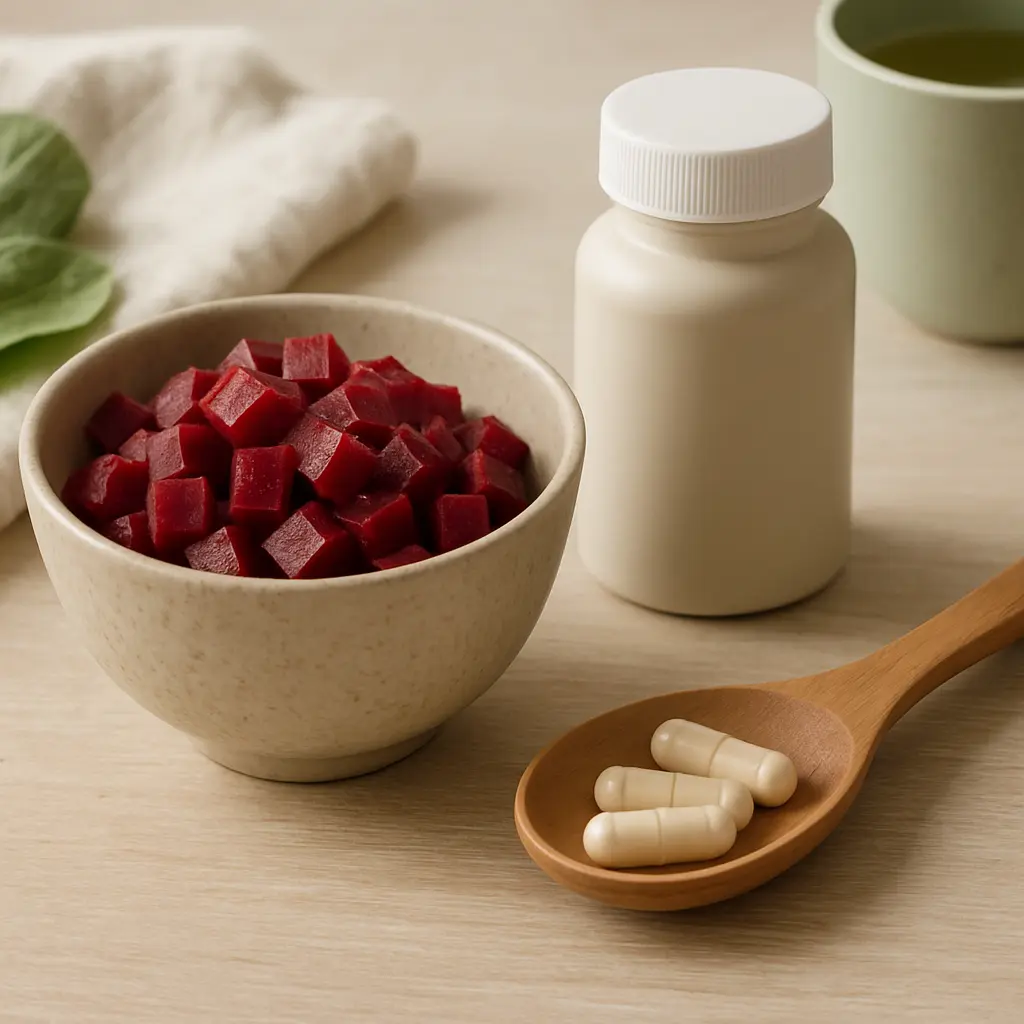
Betain: A Promising Aid for Digestive Health
In this page
Betain, a compound naturally present in stomach juice, has garnered attention for its potential to support digestive health. This article delves into the role of betain in promoting proper digestion, particularly by enhancing the acidity of the stomach environment. Understanding its mechanisms and applications can provide insight into managing common gastrointestinal disturbances linked to lifestyle factors. This exploration includes the scientific background of betain, its practical uses, safety considerations, and its significance in maintaining digestive well-being.

Scientific Background and General Context
The gastrointestinal tract plays a critical role in overall health, and its functionality can be compromised by modern lifestyle choices. Many digestive disorders, such as Irritable Bowel Syndrome (IBS), are often exacerbated by stress, poor dietary habits, and inadequate nutrient intake. These lifestyle factors can lead to a decrease in stomach acid production, disrupting the initial phases of digestion.Betain, also known as betaine hydrochloride (HCl), mirrors the function of hydrochloric acid in the stomach, facilitating the digestion of proteins and prompting the pancreas to secrete further digestive enzymes. This process is crucial for the breakdown and absorption of nutrients, as insufficient stomach acidity can hinder these processes and lead to gastrointestinal discomfort.While betain is often considered a supplemental aid, it highlights the importance of stomach acidity in overall digestive health. By supporting the acidic environment of the stomach, betain may help mitigate the effects of suboptimal digestion.

Benefits and Mechanism of Action
Betain functions by restoring the acidic pH of the stomach, which is essential for the breakdown of food and the activation of digestive enzymes. An acidic stomach environment is necessary for the conversion of pepsinogen to pepsin, an enzyme critical for protein digestion. When the stomach’s acidity is compromised, protein digestion becomes inefficient, leading to further digestive challenges.The presence of appropriate stomach acidity prevents the proliferation of harmful bacteria in the intestines. A well-acidified stomach facilitates the proper breakdown of food and reduces the availability of undigested food particles, which otherwise serve as a substrate for bacterial overgrowth.Moreover, betain’s role in enhancing nutrient absorption is noteworthy. By promoting efficient digestion, it ensures that the body receives adequate nutrients from food, which can positively impact overall health and energy levels.
Daily Use and Lifestyle Applications
Incorporating betain into a daily routine can be beneficial for individuals experiencing digestive distress due to low stomach acidity. Generally, a daily dose of around 500 mg of betain is suggested for mild digestive support. For those with more pronounced digestive disorders, higher doses may be warranted; however, these should be approached with caution and under medical supervision.Betain is typically consumed before meals to optimize its effects on digestion. Taking it approximately 20 minutes before eating allows it to act synergistically with the natural digestive processes triggered by food intake. For those requiring higher doses, it is advisable to divide the amount into two separate servings throughout the day, maintaining a focus on digestive comfort and safety.The application of betain is particularly relevant for those with diets high in protein, as adequate stomach acid is vital for protein digestion. Additionally, individuals with stress-related digestive issues may find relief from incorporating betain, as stress can reduce stomach acid production.
Balanced Perspective and Safety
While betain can offer substantial benefits for digestive health, it is crucial to approach its supplementation with awareness of potential side effects and contraindications. Overconsumption, particularly in individuals sensitive to betain, can result in symptoms such as nausea, diarrhea, and abdominal discomfort. Those with existing gastrointestinal conditions, such as ulcers or acid reflux, should avoid betain, as it may exacerbate these issues.Furthermore, individuals with heart disease or diabetes should exercise caution, as betain may interact with medications commonly used to manage these conditions. Consulting a healthcare professional is recommended before beginning any betain supplementation, particularly for individuals with complex health conditions.In conclusion, while betain is a supportive tool for enhancing digestive health, it should not replace a balanced and nutritious diet. Proper dietary habits remain the cornerstone of digestive wellness, ensuring the body’s needs are met and contributing to the overall homeostasis of the gastrointestinal system.


