Exploring Veronica Officinalis: The Hidden Gem of Herbal Medicine
In this page
Veronica officinalis, commonly referred to as heath speedwell, is a perennial herb widely recognized in folk medicine for its purported health benefits. This versatile plant, native to temperate regions of the Northern Hemisphere, has intrigued both traditional herbalists and modern scientists. On this page, we delve into the plant’s appearance, natural habitat, biochemical properties, and its potential applications in health and wellness. We also explore the balance between traditional uses and modern scientific exploration to better understand this intriguing plant.

Scientific Background and General Context
Veronica officinalis belongs to the Plantaginaceae family but was previously classified under Scrophulariaceae. This plant thrives in the temperate climates of Europe, Asia, and North America. It prefers open woodlands, meadows, and roadsides, flourishing in both full sunlight and partial shade. Its ability to adapt to various environments makes it a significant component of the forest floor’s vegetation.Traditionally, Veronica officinalis has been used in herbal medicine, often attributed to properties like blood purification and detoxification, though these uses are based more on folklore than modern science. Recent research has begun to investigate its chemical makeup and potential health benefits, offering new insights into its traditional applications.
Appearance and Identification
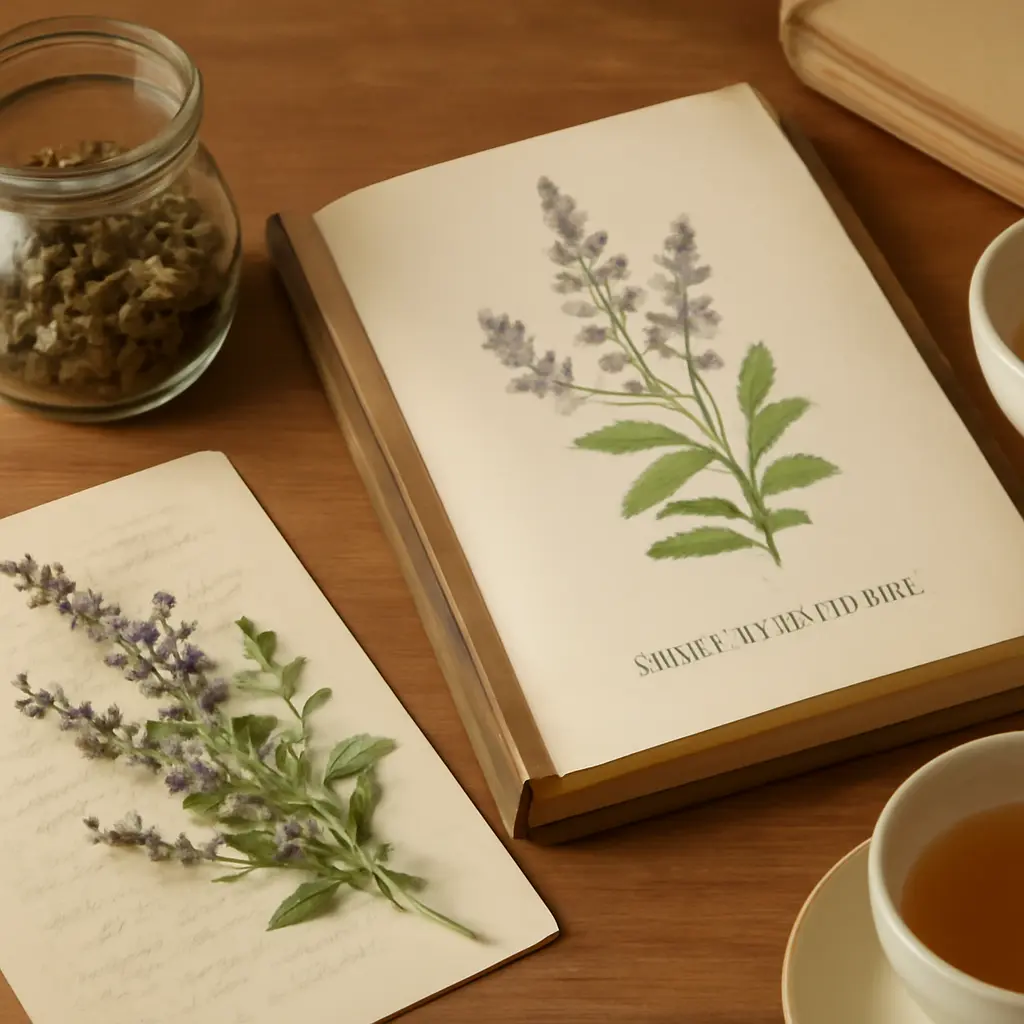
Veronica officinalis is characterized by its creeping or slightly ascending growth habit, typically reaching heights of 4 to 12 inches. The plant’s stems are thin, hairy, and square in cross-section, which is typical of many species in the Veronica genus. These stems tend to root at the nodes, facilitating vegetative propagation and allowing the plant to spread across the forest floor.The leaves of heath speedwell are opposite, oval to elliptical, with short petioles, soft hairs, and finely serrated edges. Measuring between 0.4 and 1.2 inches in length, these leaves exhibit a dull green or grayish-green color with a distinctive veined pattern.The flowers, commonly referred to as “bird’s eye” due to their delicate structure, measure around 0.2 to 0.3 inches in diameter. They display a pale blue, lilac, or violet hue with darker veins converging towards the center of the four-petaled, nearly symmetrical corolla. These features facilitate pollination by insects, particularly flies and bees. The fruit is a two-chambered, flattened capsule containing small, yellowish-brown seeds.
Natural Habitat and Distribution
Heath speedwell thrives in light, well-drained soils, often found at the edges of forests, clearings, and roadsides. It grows best in sandy-humus or sandy-clay substrates. While the plant prefers full sunlight, it can tolerate partial shade, enabling it to inhabit extensive areas within deciduous and mixed woodlands.The plant is adaptable to various elevations, from lowlands to mountainous regions up to approximately 4,000 feet. Its distribution extends across most of Europe—from Scandinavia to the Mediterranean basin—and reaches into Western Asia. It has also been introduced to North America, where it has established itself in similar habitats.
Biochemical Properties and Potential Uses
Veronica officinalis is notable for its slightly bitter, herbal taste with a discernible tannin-like note. The aroma of fresh plants is weak, with earthy and grassy undertones. When dried, the plant develops tea-like and slightly spicy notes, particularly when harvested during full bloom.The primary bioactive compounds in heath speedwell include iridoid glycosides, with prominent representatives being verbascoside and aucubin. The plant also contains flavonoids (e.g., luteolin, apigenin), phenolic acids (e.g., ferulic, chlorogenic, and rosmarinic acids), tannins, triterpene saponins, and small amounts of essential oils. Additionally, the plant is a source of vitamins C and B-group vitamins, as well as minerals like calcium, potassium, and magnesium, although their concentrations in consumed portions are typically insufficient to significantly impact nutritional status.
Culinary Applications
While Veronica officinalis has limited culinary applications, it has been noted in both traditional and modern recipes. Its slightly astringent taste and mild aroma make it more suitable as a complementary addition rather than a primary ingredient. In Central European and Scandinavian cuisine, it was historically used in herbal teas, particularly during times when access to black tea was restricted.Dried leaves and flowers can be blended with other herbs, such as lemon balm, mint, linden, or raspberry, to enhance the flavor profile of infusions and mask any grassy aftertaste. Despite its culinary potential, the subtle flavor of heath speedwell means it remains a niche ingredient in the modern kitchen.
Therapeutic Properties and Scientific Investigation
The first scientific publications on the properties and effects of Veronica officinalis emerged from Poland in the 1970s. Although the plant has a long history in herbal medicine, contemporary scientific research is still limited, with most studies conducted in vitro or on animal models rather than human clinical trials.
Inflammatory Conditions
One laboratory study indicated that extracts from Veronica officinalis could reduce inflammation in lung epithelial cells. However, it did not significantly affect mast cell activity, suggesting its action may involve limiting the progression of inflammation rather than blocking allergic reactions. Other research found that extracts from the plant could protect the stomach lining in rats with drug-induced ulcers and support the healing of gastric lesions.
Antioxidant and Antimicrobial Effects
Chemical analyses have identified compounds with antioxidant and antimicrobial properties, particularly against bacteria like Staphylococcus aureus and Listeria. Essential oils and hydrosols (aqueous extracts) from various Veronica species exhibited moderate anticancer activity in tests on breast and bladder cancer cells. However, further research involving animals and humans is required to confirm these effects in practical medical applications.
Daily Use and Lifestyle Applications
Incorporating Veronica officinalis into daily life may offer subtle health benefits, aligning with the practices of herbal enthusiasts who seek to enhance well-being through natural remedies. However, it is crucial to balance enthusiasm with evidence, acknowledging that while traditional practices support its use, scientific validation is still evolving.Incorporating small amounts of the herb into teas, herbal blends, or tinctures can be a simple way to explore its potential benefits. Always consult with a healthcare professional before starting any new herbal regimen, especially if you have existing health conditions or are taking medication.
Balanced Perspective and Safety
While Veronica officinalis shows potential in preliminary studies, it is important to maintain a balanced perspective. The lack of extensive clinical trials means we should approach its purported benefits with cautious optimism. When considering any herbal supplement, safety is paramount. Although generally considered safe when consumed in moderate amounts, potential interactions with medications or allergies should not be overlooked. As with any new addition to your health routine, consult with a healthcare provider to ensure it is appropriate for your individual needs and circumstances.In conclusion, Veronica officinalis, with its rich history and promising potential, offers an intriguing avenue for further exploration in the realm of natural health. As research progresses, we may better understand this plant’s role in modern wellness, bridging the gap between age-old traditions and contemporary science.