
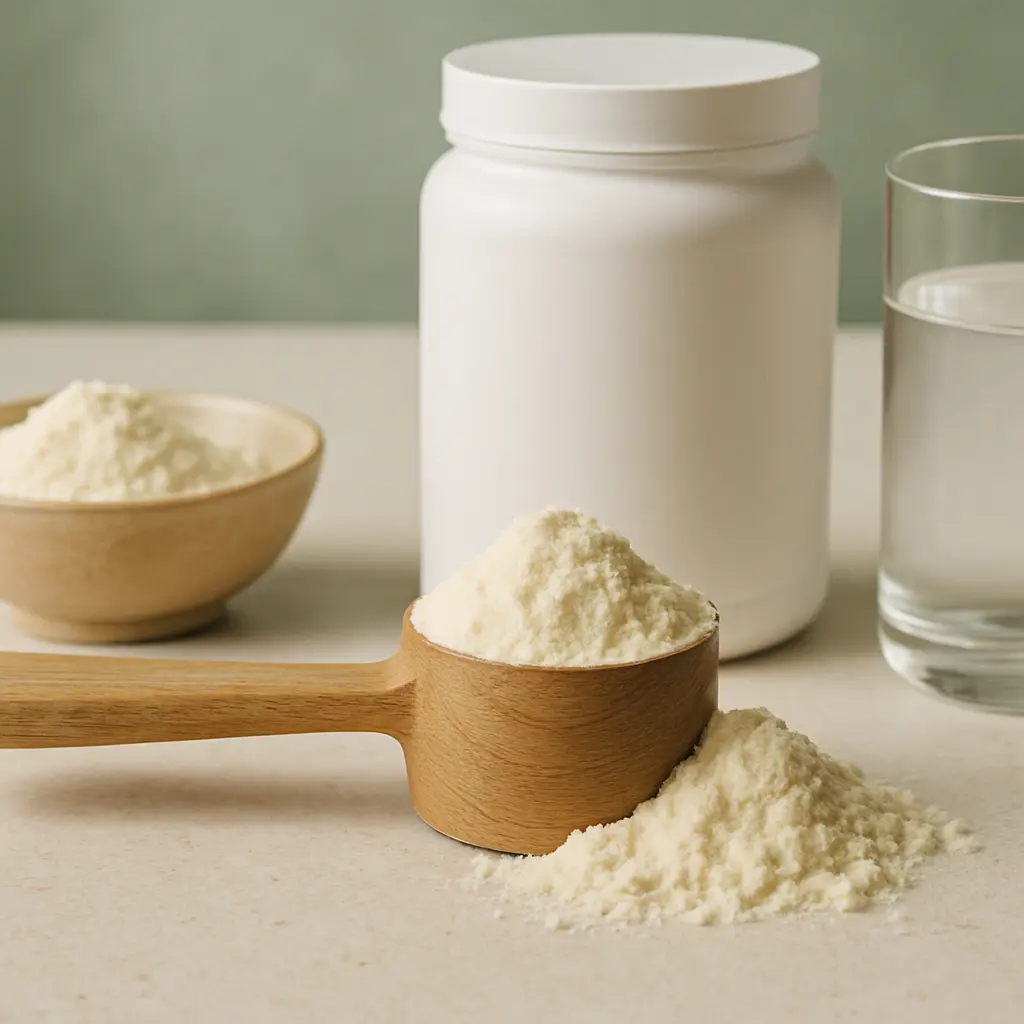
Whey Protein Concentrate: An In-Depth Guide to WPC
In this page
Whey Protein Concentrate, commonly known as WPC, is a dietary supplement derived from milk during cheese production. It is highly valued for its rich protein content and is widely used in fitness and wellness circles. This article explores what WPC is, the nutritional benefits it offers, its effects on health and fitness, and practical ways to incorporate it into your diet. We will also discuss appropriate dosages and considerations for various demographic groups, providing a comprehensive understanding of this popular supplement.

Scientific Background and General Context
Whey protein is a byproduct of cheese production. During this process, milk is separated into solid and liquid components. The solid part is primarily casein, while the liquid part contains whey protein. Whey is further processed to remove fats and carbohydrates, resulting in a concentrated form of protein known as WPC. This protein concentrate is particularly prized for its high content of essential amino acids, making it a complete protein source.
Whey vs. Casein Protein
While both casein and whey are derived from milk, they have distinct nutritional profiles and applications. Casein is slower to digest, providing a gradual release of amino acids, which is beneficial for muscle recovery over a longer period. In contrast, whey protein is rapidly absorbed, making it ideal for post-workout nutrition to quickly replenish amino acid levels and stimulate muscle protein synthesis.
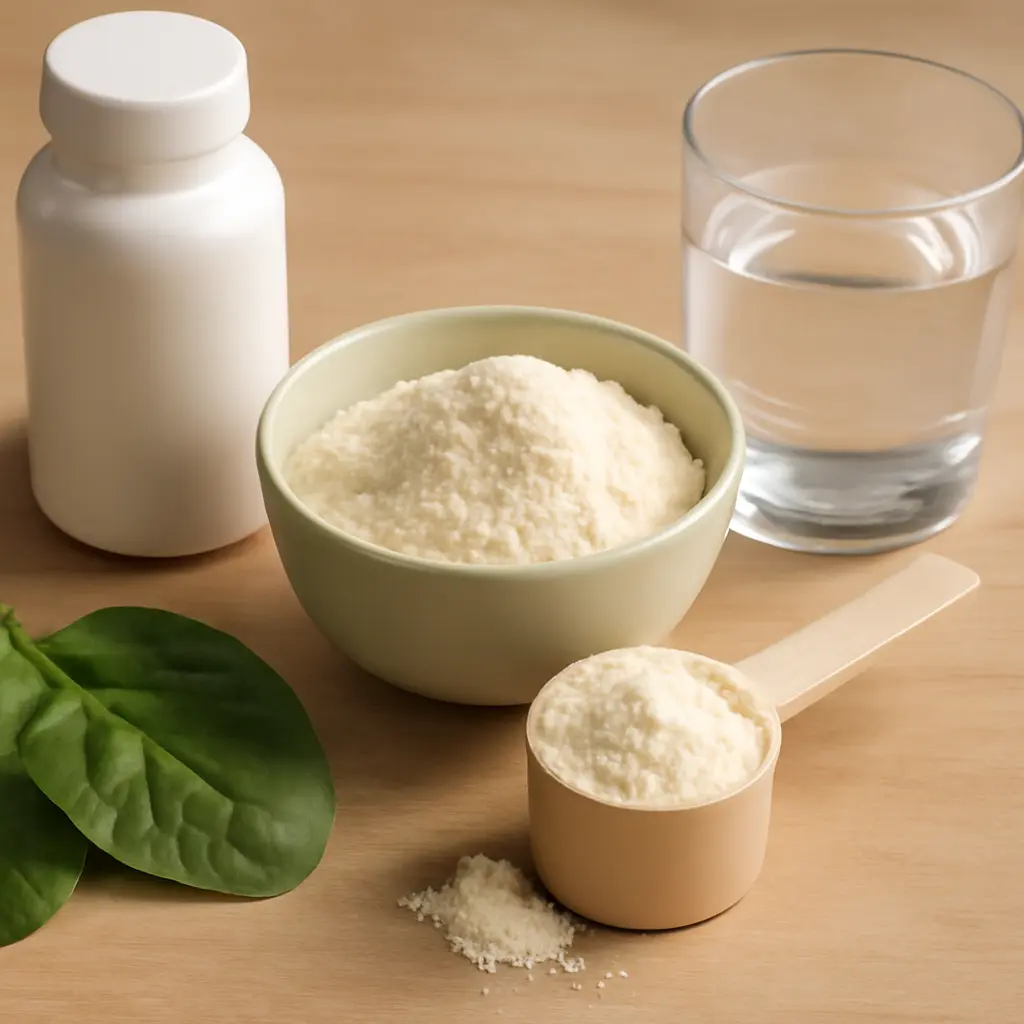
Nutritional Composition of Whey Protein Concentrate
WPC typically contains 75% to 85% protein by weight. It is also rich in essential amino acids, including branched-chain amino acids (BCAAs) like leucine, isoleucine, and valine, which are critical for muscle growth and repair. Additionally, WPC provides important minerals like calcium and potassium, supporting bone health and cardiovascular function.
Amino Acid Profile
The high concentration of BCAAs in WPC is one of its standout features. BCAAs are known for their role in reducing muscle breakdown during exercise and enhancing the rate of protein synthesis. Leucine, in particular, is a key regulator of muscle protein synthesis, making WPC a powerful tool for athletes and individuals looking to increase muscle mass.
Health and Fitness Benefits of WPC
Whey Protein Concentrate is renowned for its multifaceted benefits that extend beyond just muscle building. Here are some of the notable advantages:
Enhancement of Muscle Growth and Recovery
One of the primary roles of WPC in fitness is to enhance muscle growth and recovery. The BCAAs in whey protein stimulate muscle protein synthesis, which is crucial for building lean muscle mass. This makes WPC an excellent supplement for bodybuilders, athletes, and anyone engaging in regular physical activity.
Weight Management
WPC can be beneficial for weight management due to its ability to promote satiety and reduce appetite. High-protein diets have been shown to increase the feeling of fullness, helping to control caloric intake and support weight loss efforts. Furthermore, maintaining or increasing muscle mass through adequate protein intake can boost metabolism, aiding in weight management.
Bone Health and Cardiovascular Benefits
The calcium content in WPC supports bone health, which is particularly important for older adults at risk of osteoporosis. The potassium in WPC contributes to the regulation of blood pressure, offering cardiovascular benefits as well.
Daily Use and Lifestyle Applications
Incorporating WPC into your daily routine can be done in various ways to suit your needs and preferences. Here are some practical applications:
Post-Workout Shakes
A common use for WPC is in post-workout shakes. Mixing WPC with water, milk, or a plant-based beverage creates a protein-rich drink that can be consumed immediately after exercise to aid recovery and muscle repair.
Meal Supplements and Snacks
WPC can be used as a meal supplement or snack by adding it to smoothies, oatmeal, or yogurt. This not only enhances the protein content but also provides a convenient and tasty way to meet your daily protein requirements.
Cooking and Baking
WPC can be added to various recipes, including pancakes, protein bars, and low-calorie desserts, to boost their nutritional profile. It is especially popular in recipes for protein-rich breakfasts and healthy treats.
Dosing Guidelines for WPC
The appropriate dosage of WPC varies based on individual needs, activity levels, and dietary goals.
Determining the Right Amount
For physically active individuals, a general guideline is to consume 0.7 to 1 gram of protein per pound of body weight. This protein intake should be distributed across 4 to 5 meals to optimize absorption and utilization. Typically, 20 to 40 grams of WPC per serving is sufficient, depending on the protein content of other foods consumed throughout the day.
Frequency of Use
WPC can be consumed multiple times a day, although it is advisable to vary protein sources to prevent flavor fatigue. Consuming WPC as part of a post-workout drink or a snack can fit seamlessly into a daily routine.
Balanced Perspective and Safety
While WPC offers numerous benefits, it is important to use it judiciously and consider potential limitations.
Considerations for Individuals with Lactose Intolerance
WPC may contain small amounts of lactose, which can be problematic for those with lactose intolerance. In such cases, opting for whey protein isolate, which has most of the lactose removed, may be a better choice.
Allergen Awareness
As WPC is derived from milk, it is not suitable for individuals with milk allergies. It is essential to review product labels and consult with a healthcare provider if there are concerns about allergens.
Integration with a Balanced Diet
WPC should complement, not replace, a balanced diet. It is crucial to consume a variety of protein sources, fruits, vegetables, whole grains, and healthy fats to ensure a comprehensive nutrient intake.In conclusion, Whey Protein Concentrate is a versatile and beneficial supplement that can support various health and fitness goals. By understanding its properties and potential applications, individuals can effectively integrate WPC into their diet to enhance muscle growth, aid weight management, and improve overall wellness.


