

Unveiling Schisandra: The Multifaceted Berry for Health and Wellness
In this page
Schisandra, also known as Schisandra chinensis, is a perennial climbing plant with a rich history in traditional medicine. Native to regions like China, Korea, and Siberia, this plant has garnered global attention for its unique berries, which are consumed for their health benefits. In this article, we delve into the scientific background of Schisandra, its daily applications in lifestyle, and its balanced perspective on safety and efficacy. Schisandra’s role as an adaptogen, its antioxidant properties, and its potential health benefits make it a compelling subject of study for both wellness enthusiasts and scientific communities.

Scientific Background and General Context
Schisandra chinensis, a member of the Schisandraceae family, is an intriguing plant known for its vibrant red berries. These berries, often referred to as the “five-flavor fruit” because they encompass five taste profiles—bitter, sweet, sour, salty, and spicy—hold a special place in traditional Chinese medicine. Historically, Schisandra has been used alongside other notable herbs such as ginseng and goji berries by Taoist monks and Chinese emperors for its purported health benefits.In the 1960s, Schisandra garnered attention in Russia as an adaptogen, a natural substance believed to help the body adapt to stress and exert a normalizing effect upon bodily processes. This sparked further research into its potential to combat adrenal fatigue, support cardiovascular health, and mitigate the impacts of stress.
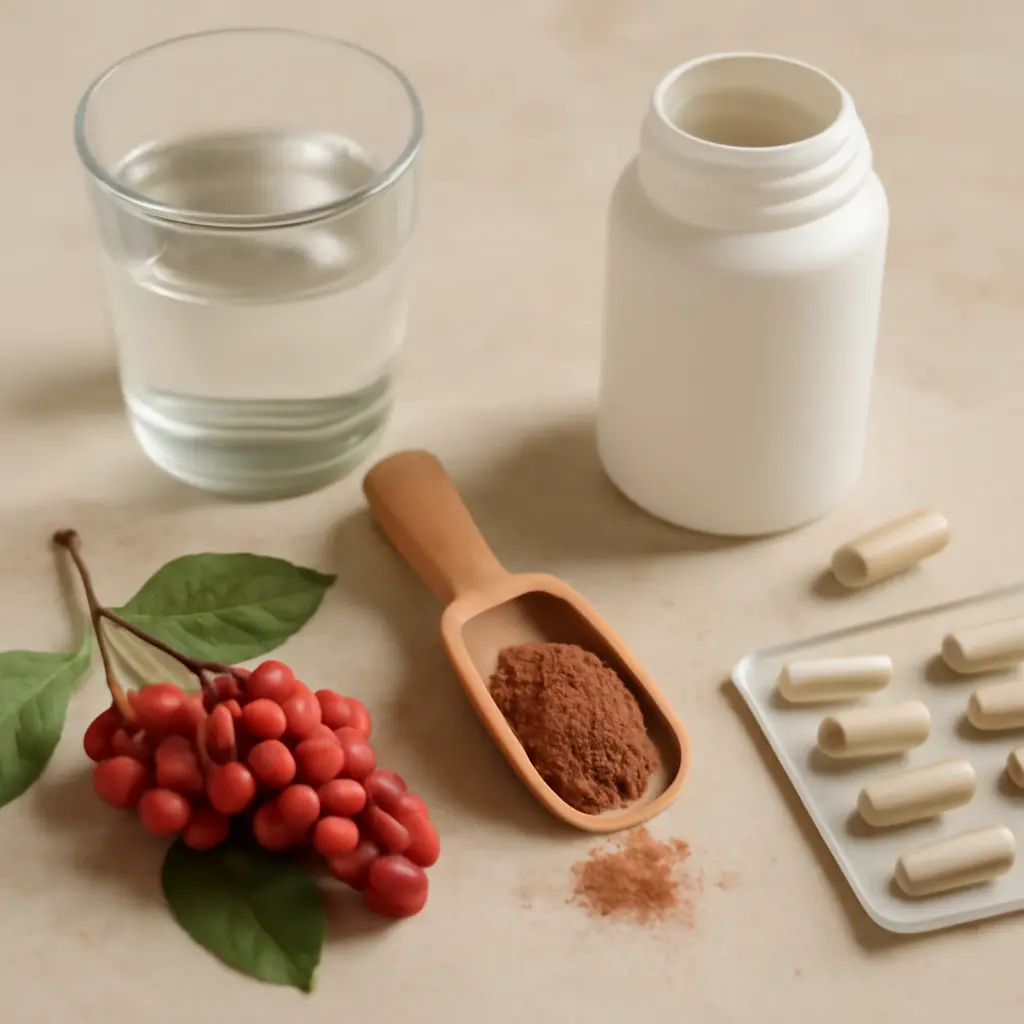
Health Benefits and Mechanisms of Schisandra
Schisandra berries are believed to exert a wide range of health benefits, primarily due to their high concentration of antioxidants. Antioxidants play a crucial role in neutralizing free radicals—unstable molecules that can damage cells and contribute to aging and diseases such as cancer, diabetes, and cardiovascular disorders. By reducing oxidative stress, Schisandra may help maintain cellular health and reduce inflammation, a known contributor to chronic diseases.Additionally, Schisandra is often cited for its adaptogenic properties, which assist in restoring hormonal balance and reducing stress. Adaptogens are known to help manage cortisol levels, the hormone associated with stress, thereby improving overall physical and mental well-being. Schisandra’s ability to alleviate inflammation also shows promise in preventing myocardial fibrosis, a condition characterized by abnormal tissue formation in the heart due to chronic inflammation.
Daily Use and Lifestyle Applications
Incorporating Schisandra into a daily routine can be done in various forms, including teas, tinctures, and supplements. Its berries can also be used to make jams and preserves. Schisandra tea, made from the berries, bark, and leaves, is particularly popular for its refreshing and invigorating properties. Beyond its historical use, modern applications of Schisandra often focus on its potential to support cognitive function, enhance physical endurance, and promote liver health.For individuals looking to enhance their antioxidant intake, Schisandra can be combined with other adaptogens such as ashwagandha for synergistic effects. This combination is particularly appealing for those seeking to combat oxidative stress while supporting overall health.
Balanced Perspective and Safety
While Schisandra is generally considered safe for healthy individuals, it is important to approach its use with an understanding of its potential interactions and contraindications. The recommended dosage of Schisandra supplements typically ranges from 500 to 1000 mg per day, preferably taken with meals. However, it is advisable to start with lower doses to assess individual tolerance.Pregnant women should exercise caution and consult healthcare professionals before incorporating Schisandra into their regimen, as its safety profile during pregnancy has not been extensively studied. Additionally, while rare, potential interactions with certain medications may occur, emphasizing the importance of consulting a healthcare provider, especially for individuals on medication regimens.
Conclusion
Schisandra chinensis is a remarkable plant with a broad spectrum of health benefits that have captivated traditional and modern medicine alike. Its adaptogenic and antioxidant properties make it a valuable addition to wellness practices, offering a natural means of supporting stress management, cardiovascular health, and overall well-being. As with any supplement, informed use and professional guidance are key to maximizing its benefits while minimizing risks. As research into Schisandra continues, its role in promoting health and longevity only becomes more compelling, inviting further exploration and integration into daily health routines.


