
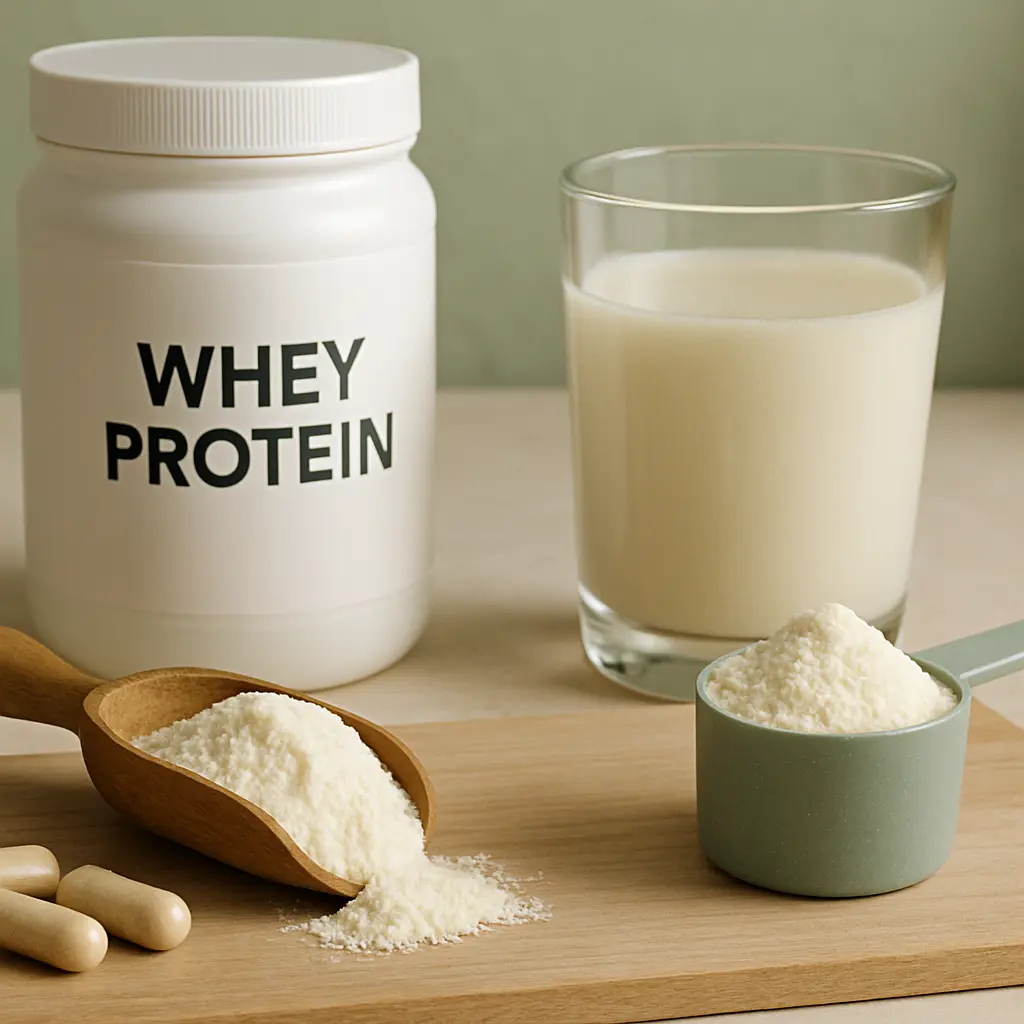
Understanding Whey Protein: Isolate vs. Concentrate
In this page
Whey protein is a staple supplement among athletes and fitness enthusiasts, offering a convenient source of high-quality protein. There are two primary forms of whey protein: Whey Protein Isolate (WPI) and Whey Protein Concentrate (WPC). Each type has its unique characteristics and benefits, making them suitable for different goals and dietary needs. In this article, we will explore these two popular forms of whey protein, comparing their benefits, applications, and considerations to help you make an informed choice.
Scientific Background and General Context
Whey protein is derived from milk during the cheese-making process. It is a complete protein, meaning it contains all nine essential amino acids, which are crucial for muscle repair, growth, and overall health. The two most common forms of whey protein supplements are Whey Protein Isolate (WPI) and Whey Protein Concentrate (WPC). Both begin as whey liquid, but they undergo different processing methods to reach their final form.WPI is processed to remove almost all fats and carbohydrates, resulting in a product that is typically 80-90% protein. The advanced filtration techniques used in producing WPI also remove most lactose, making it suitable for individuals with lactose intolerance. On the other hand, WPC is less processed, retaining some fats and carbohydrates, and typically contains 70-80% protein. This difference in processing results in slight variations in the nutritional profile and potential applications of each type of whey protein.
Whey Protein Concentrate (WPC)
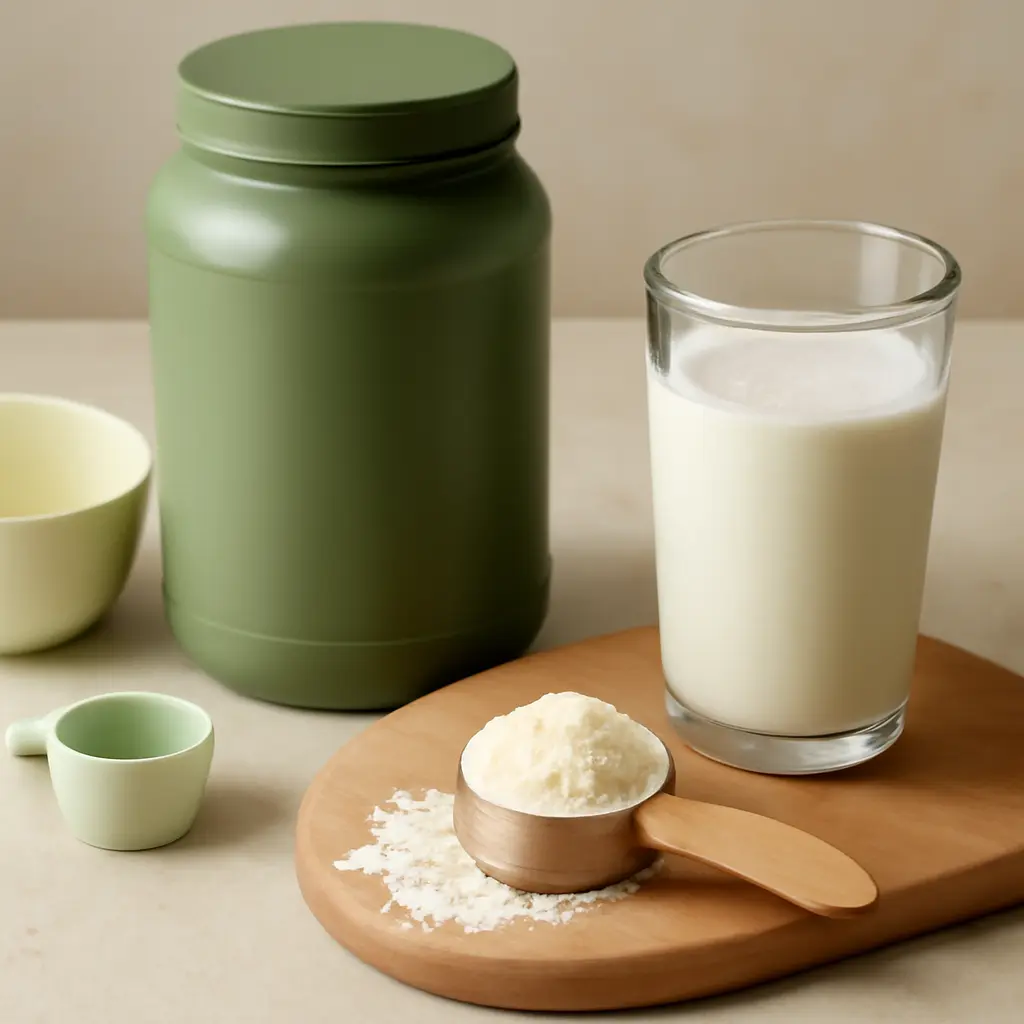
Whey Protein Concentrate (WPC) is a common choice for those seeking a more natural form of protein supplementation. The production process involves filtering whey to remove some fats and carbohydrates, leaving a product rich in protein but still containing small amounts of lactose and fat.
Benefits of Supplementation
WPC offers numerous benefits, including providing a good source of protein that supports muscle growth and maintenance. The presence of fats and carbohydrates in WPC can be advantageous for those who need additional energy in their diet. Furthermore, WPC often has a richer flavor and creamier texture compared to WPI, making it a preferred choice for those who prioritize taste.
Daily Use and Lifestyle Applications
WPC is versatile and can be incorporated into smoothies, shakes, or even cooked dishes. It’s particularly popular among individuals who do not have lactose intolerance and are looking for a cost-effective way to increase their protein intake. Additionally, its balance of macronutrients makes it suitable for those looking to maintain or gain weight.
Whey Protein Isolate (WPI)
Whey Protein Isolate (WPI) is the result of a more refined filtration process, designed to maximize protein content while minimizing fats and carbohydrates.
Benefits of Supplementation
One of the primary benefits of WPI is its high protein content and rapid absorption rate, making it ideal for post-workout recovery. It provides a concentrated source of protein, which is crucial for muscle repair and growth. Because WPI is low in lactose, it is often recommended for individuals with lactose intolerance or those looking to reduce their overall carbohydrate intake.
Daily Use and Lifestyle Applications
WPI is favored by athletes and bodybuilders who require a quick source of protein to support muscle recovery after intense training sessions. Its minimal fat and carbohydrate content make it a suitable option for those on a calorie-restricted diet. As WPI is often less creamy than WPC, it is often mixed into water or blended with other ingredients to enhance its taste.
Comparison of WPI and WPC
Understanding the differences between WPI and WPC can help you choose the right supplement for your needs.
WPI (Whey Protein Isolate)
– Contains 80-90% protein.- Low in fats and carbohydrates.- Minimal lactose content.- Rapid absorption, beneficial for post-workout recovery.
WPC (Whey Protein Concentrate)
– Contains 70-80% protein.- Retains more fats and carbohydrates.- Contains more lactose, potentially not suitable for lactose-intolerant individuals.- Richer taste and texture.
Which Whey Protein to Choose?
Choosing between WPI and WPC depends largely on individual goals, dietary restrictions, and personal preferences. Here are some considerations:- If you are lactose intolerant or looking for a supplement with minimal fats and carbohydrates, WPI might be the better choice.- If taste and cost are your primary concerns, WPC could be more suitable.- For those focused on muscle recovery and lean muscle gain, both forms can be effective, but WPI offers faster protein delivery.
Balanced Perspective and Safety
While whey protein supplements offer numerous benefits, it is important to use them responsibly. Overconsumption can lead to digestive issues, and individuals with kidney problems should consult a healthcare professional before starting any protein supplementation. It is also essential to balance protein intake with other nutrients and maintain a healthy, varied diet.In conclusion, both Whey Protein Isolate and Concentrate have unique advantages. Your choice should align with your specific health goals, dietary needs, and lifestyle. Always consider consulting with a healthcare or nutrition professional to tailor your protein intake to your individual needs.


