
Understanding Vitamin C: A Comprehensive Guide to Its Health Benefits
In this page
Vitamin C, or ascorbic acid, is a vitamin that has gained the spotlight in the world of nutrition due to its significant health benefits. Renowned for its role in boosting immunity, vitamin C is an essential nutrient that contributes to various bodily functions. This article explores the multifaceted advantages of vitamin C, its influence on health, and the importance of integrating it into a daily diet.

Scientific Background and General Context
Vitamin C is a water-soluble vitamin that is crucial for the growth, development, and repair of all body tissues. Unlike most animals, humans cannot synthesize vitamin C endogenously, making dietary intake essential. It is found in various fruits and vegetables, with citrus fruits, strawberries, bell peppers, and broccoli being particularly rich sources. Vitamin C is known for its antioxidant properties, which help combat oxidative stress by neutralizing free radicals, thereby protecting cells from damage.

Support for the Immune System
One of the most recognized benefits of vitamin C is its ability to enhance the immune system. It stimulates the production of white blood cells, which are vital for fighting off infections. Additionally, vitamin C acts as an antioxidant, safeguarding cells against damage from free radicals. This function is critical in maintaining the integrity of the immune system, especially during periods of stress or illness, such as the common cold.
While vitamin C supplementation may reduce the duration and severity of cold symptoms, it’s not a universal cure for all illnesses. Maintaining adequate vitamin C levels can nonetheless prepare the immune system to respond more effectively to pathogens.
Antioxidant Properties
As one of the most potent antioxidants, vitamin C plays a significant role in protecting the body from oxidative stress. Free radicals, which are produced during normal metabolic processes and due to exposure to environmental factors like pollution and UV radiation, can damage cells and contribute to aging and chronic diseases, including cancer.
Vitamin C neutralizes these free radicals, supporting skin health by maintaining elasticity and a youthful appearance. Its antioxidant properties also extend to cardiovascular health, where it helps prevent damage to blood vessels and reduces the risk of chronic heart conditions.
Collagen Synthesis and Joint Health
Vitamin C is crucial for collagen synthesis, a protein that is a key component of skin, bones, cartilage, and ligaments. Without sufficient vitamin C, collagen production is impaired, potentially leading to weakened skin structure and joint issues.
For athletes and those with active lifestyles, vitamin C is vital for recovery from injuries and the maintenance of joint and muscle health. It supports the repair of tissues and can help in mitigating the impacts of physical stress.
Enhancing Iron Absorption
Vitamin C improves the absorption of non-heme iron, the type found in plant-based sources. Iron is essential for the production of hemoglobin, which carries oxygen throughout the body. A lack of iron can lead to anemia, characterized by fatigue and weakness.
Consuming vitamin C-rich foods alongside iron-rich plant foods, like legumes and spinach, can significantly boost iron absorption. This is particularly beneficial for individuals following vegan and vegetarian diets.
Cardiovascular Health
Regular intake of vitamin C has been associated with improved cardiovascular health. It may help lower blood pressure, thereby decreasing the risk of heart disease. Its antioxidant properties protect blood vessels from oxidative damage, potentially preventing atherosclerosis.
Some studies suggest that adequate vitamin C levels are linked to a reduced risk of stroke, highlighting its importance in a heart-healthy diet.
Anti-inflammatory Properties
Vitamin C may have anti-inflammatory effects, which are crucial in managing chronic inflammatory conditions such as rheumatoid arthritis and autoimmune diseases. By reducing the production of inflammatory markers, vitamin C can help alleviate symptoms associated with chronic inflammation.
Detoxification and Cellular Health
The antioxidant nature of vitamin C also aids in the detoxification processes of the body. It neutralizes toxins like heavy metals, supporting organs like the liver in removing harmful substances. Consistent intake of vitamin C can contribute to the body’s natural detoxification pathways, promoting overall wellness.
Daily Use and Lifestyle Applications
The daily recommended intake of vitamin C varies by age, gender, and lifestyle factors. For adults, the average daily requirement is around 75-90 mg. However, individuals who smoke, experience high stress levels, or lead active lifestyles may require higher amounts to meet their physiological needs.
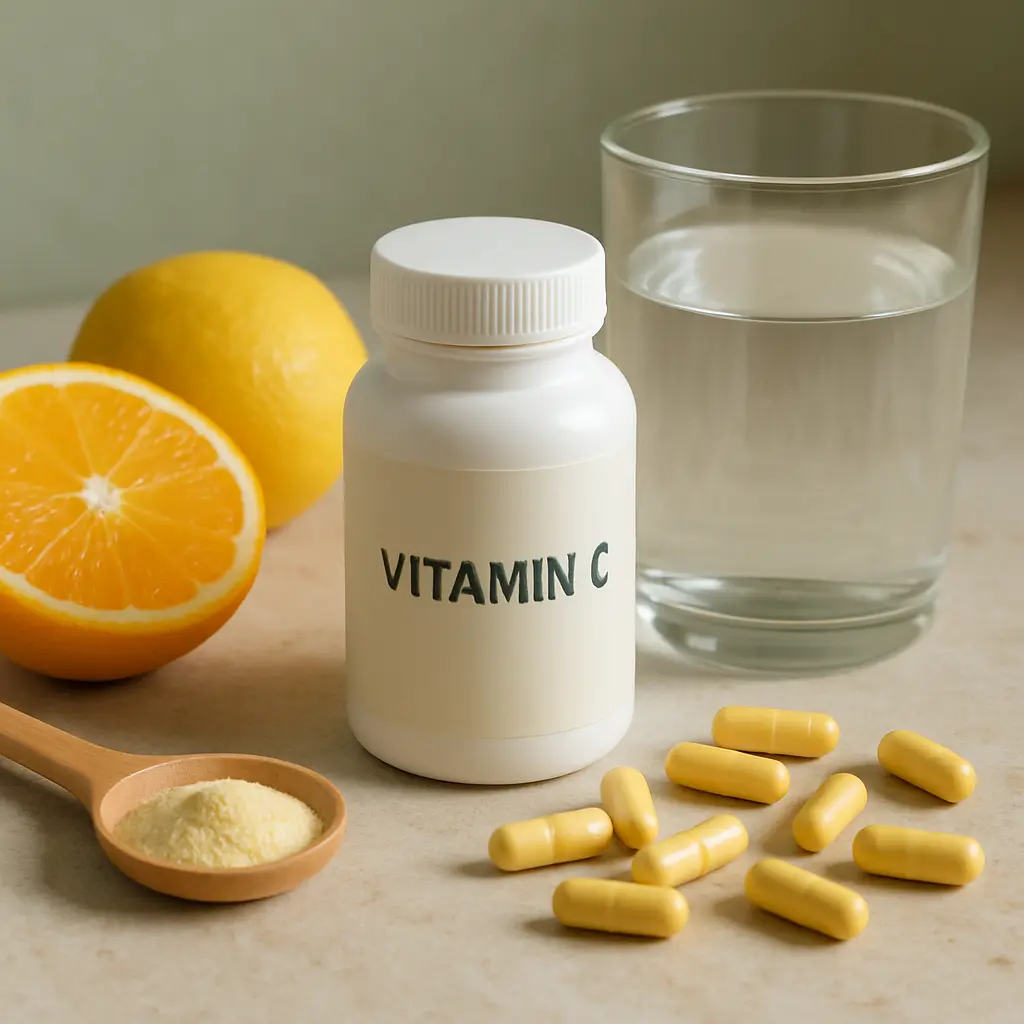
As a water-soluble vitamin, vitamin C is not stored in the body, necessitating regular consumption through diet or supplements. Various forms of vitamin C supplements are available, including tablets, powders, and liposomal formulations, each offering different levels of absorption efficiency.
Balanced Perspective and Safety
It’s essential to balance vitamin C intake, as excessive consumption can lead to adverse effects such as gastrointestinal discomfort. The tolerable upper intake level for adults is set at 2,000 mg per day. Adhering to these guidelines ensures safe and beneficial use of vitamin C in supporting health.
While vitamin C is generally safe, individuals with specific health conditions, such as hemochromatosis, should be cautious about their intake due to the risk of iron overload. Consulting healthcare professionals can provide personalized advice based on individual health needs.
Lesser-Known Research and Emerging Insights
Beyond its well-known benefits, vitamin C is being researched for its potential in other health areas. Emerging studies are exploring its role in oral health, suggesting it may aid in the regeneration of gum tissues and reduce inflammation, which is crucial for preventing periodontal diseases.
Research also indicates vitamin C’s potential in eye health, particularly in protecting against age-related macular degeneration and cataracts. Its influence on scalp and hair health, through collagen synthesis, further underscores its diverse applications in supporting overall well-being.
Conclusion
Vitamin C is a versatile nutrient with a broad spectrum of health benefits, from bolstering the immune system to supporting skin, joint, and cardiovascular health. Its role as a powerful antioxidant and its involvement in essential bodily processes make it an indispensable component of a balanced diet.
Incorporating vitamin C through dietary sources or supplements can contribute significantly to maintaining optimal health. Whether you are enhancing your diet, recovering from physical exertion, or managing stress, vitamin C offers a robust foundation for supporting overall wellness.


