
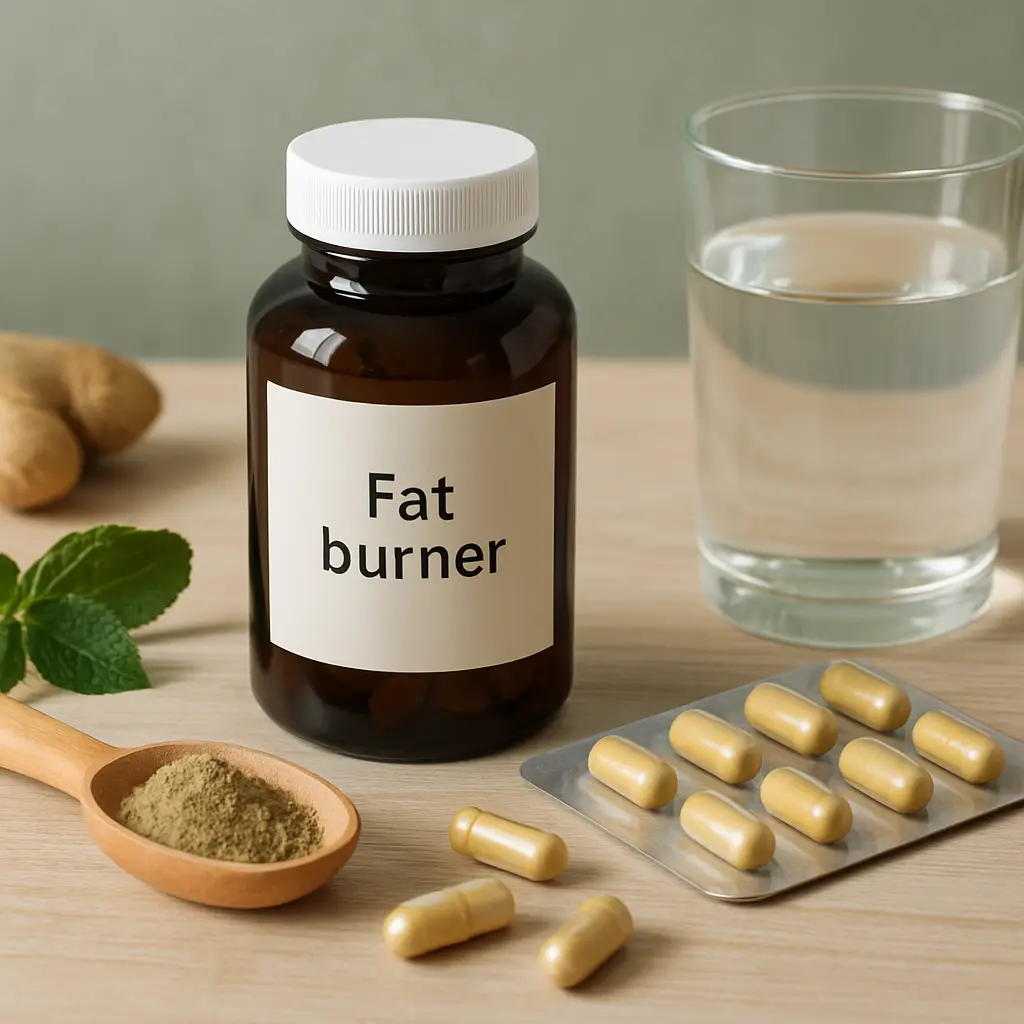
Understanding Fat Burners and Their Role in Weight Loss
In this page
When embarking on a weight loss journey, many people turn to dietary changes and exercise programs, but some also consider supplements to enhance their efforts. Fat burners, as these supplements are often called, are designed to help with the challenges that come with reducing calorie intake, such as fatigue and hunger. This article explores the role of fat burners, dietary strategies, exercise plans, and the psychological aspects that can support successful weight loss.

Scientific Background and General Context
The principle behind weight loss is simple: consume fewer calories than you burn. However, the biological processes involved are complex. Lowering calorie intake can lead to fatigue as the body has less energy available. Additionally, hunger signals may increase, and motivation can wane after a period of dietary restriction. Fat burners are supplements that aim to counteract some of these effects by enhancing metabolism and thermogenesis, which is the body’s production of heat. Some of these supplements contain bioactive compounds known to have thermogenic properties, such as caffeine and green tea extracts.

Dietary Changes to Support Weight Loss
Successful weight loss often begins with dietary adjustments. The key is to focus on whole, unprocessed foods rich in fiber, vitamins, and minerals, while reducing intake of simple sugars and unhealthy trans fats. Protein sources are crucial not only for tissue nourishment but also for appetite control. Protein’s satiating effect helps reduce overall caloric intake by making you feel full for a longer period. However, significant caloric deficits, especially if sustained over time, can lead to nutrient deficiencies. This risk underscores the potential role of dietary supplements in not only preventing energy drops but also maintaining overall nutritional balance during a weight loss regime.
Effective Exercise Routines for Weight Loss
Combining strength training with cardiovascular exercises is one of the most effective strategies for weight loss. Strength training helps build and maintain muscle mass, which is important for optimizing the ratio of muscle to fat. Meanwhile, cardiovascular exercises like running, swimming, and cycling improve cardiovascular health and aid in burning a large number of calories. For best results, it is recommended to engage in at least 150 minutes of moderate aerobic activity or 75 minutes of high-intensity interval training each week, complemented by two strength training sessions focusing on all major muscle groups.
The Role of Fat Burners in Weight Management
Fat burners can be helpful in maintaining a diet and exercise regimen. Some bioactive substances in these supplements increase thermogenesis, while others help suppress appetite, aiding in portion control. Common ingredients include caffeine, synephrine from bitter orange, epigallocatechin gallate (EGCG) from green tea, and capsaicin from hot peppers. Each of these compounds has been studied for its potential effects on metabolism and appetite. While caffeine is well-known for its stimulating effects, other compounds like EGCG and capsaicin may enhance energy expenditure and fat oxidation during physical activity.
Psychological Aspects of Using Fat Burners
An often-overlooked benefit of fat burners is the psychological commitment they foster. Regular supplement intake can encourage adherence to a weight loss routine by establishing a daily ritual. This psychological aspect of engagement can be crucial for maintaining motivation. Understanding the potential benefits of these supplements and how they fit into a broader weight loss strategy can support individuals in choosing a product that best aligns with their personal needs and goals.
Balanced Perspective and Safety
While fat burners can be beneficial, they should be used with caution, especially for individuals with chronic health conditions. Consulting with a healthcare provider before incorporating these supplements is advisable. It is also important to remember that the most significant and sustainable weight loss results come from a combination of caloric deficit, physical activity, and, when appropriate, supplementation. Over time, the body may develop a tolerance to the active ingredients in fat burners, typically after 4–6 weeks of regular use. Rotating supplements or adjusting dosages can help maintain their effectiveness and prevent stagnation.
Daily Use and Lifestyle Applications
Incorporating fat burners into a daily routine requires consideration of timing and dosage. Starting with a lighter supplement can help the body adjust, allowing for a gradual increase in intensity as needed. Cycles of supplementation followed by breaks can optimize the body’s response and prevent tolerance buildup. Additionally, ensuring a balanced diet and regular exercise remains central to any weight loss plan, with supplements serving as an adjunct rather than a primary method.
Conclusion
Fat burners can be a useful tool in a comprehensive weight loss strategy, supporting increased metabolism and reduced appetite. However, they should not replace fundamental weight loss principles such as a healthy diet and regular exercise. Through scientific understanding and careful application, these supplements can enhance weight loss efforts while maintaining a balanced approach to health and wellness.


