
Understanding Creatine: Benefits Beyond Athletic Performance
In this page
Creatine is often associated with muscle-building and athletic performance, but its benefits extend far beyond the gym. This article explores the various roles creatine plays in the human body, its potential therapeutic applications, especially for older adults, and the science behind its multifaceted effects. We’ll also cover how creatine is naturally produced and absorbed, its recommended dosages, and the different forms available in supplements.

Scientific Background and General Context
Creatine is a naturally occurring compound derived from amino acids, predominantly found in red meat, fish, and poultry. The human body synthesizes creatine from the amino acids arginine, glycine, and methionine, primarily in the kidneys and liver. Approximately 95% of the body’s creatine is stored in skeletal muscles in the form of phosphocreatine, which plays a crucial role in energy production during high-intensity exercise.Creatine acts as a quick energy reserve by replenishing adenosine triphosphate (ATP), the primary energy carrier in cells, particularly during the first few seconds of intense physical activity. This regenerative process allows individuals to sustain high-energy bursts necessary for activities like weightlifting or sprinting.

Daily Use and Lifestyle Applications
Traditionally favored by athletes for its performance-enhancing properties, creatine has gained attention for its broader applications in daily wellness and senior health. For the general population, maintaining adequate creatine levels can support overall physical function and muscle health. This is particularly important as individuals age, as muscle mass and strength typically decline over time—a condition known as sarcopenia.For older adults, incorporating creatine supplementation alongside regular physical activity can aid in preserving muscle mass and strength, thus reducing the risk of falls and fractures. Additionally, creatine’s role in energy metabolism may enhance cognitive function, offering potential protective benefits against neurodegenerative diseases.
Creatine for Seniors: A Promising Ally
Sarcopenia, characterized by the progressive loss of muscle mass and strength, is a significant concern for seniors. Research indicates that creatine supplementation, when combined with resistance training, can mitigate the effects of sarcopenia by enhancing muscle protein synthesis and promoting muscle regeneration.The decline in muscle strength generally begins after the age of 50, with an average decrease of 1.5% per year. Creatine, by supporting anabolic processes and improving energy availability, can help maintain muscle function and mobility, which are critical for healthy aging.Beyond muscle health, creatine’s potential benefits for bone density are of interest. Resistance training stimulates bone growth, and creatine may enhance these effects, contributing to stronger bones and reducing the risk of osteoporosis.
Multidirectional Effects of Creatine
The scope of creatine’s benefits extends beyond muscle and bone health. It has been investigated for its therapeutic potential in various clinical conditions, including muscle-wasting diseases, neurodegenerative disorders, and rehabilitation post-injury or surgery. By improving cellular energy balance, creatine may support recovery and rehabilitation processes.Furthermore, creatine’s neuroprotective effects are being explored, particularly in the context of diseases such as Parkinson’s and Huntington’s. Its potential to modulate mood and cognitive function adds another layer to its multifaceted role in health.
Effects of Creatine Supplementation
For individuals seeking to enhance physical performance, creatine supplementation is known to increase strength, endurance, and muscle mass. However, for older adults or those with specific health conditions, combining creatine with physical activity is recommended to achieve optimal benefits.Creatine may also influence muscle protein synthesis, growth factor production, satellite cell activity, and reduce inflammation and oxidative stress, contributing to the accelerated adaptation of skeletal muscles to exercise regimes.
Balanced Perspective and Safety
While the benefits of creatine are well-supported by scientific research, it is essential to approach its supplementation with a balanced perspective. Most individuals synthesize adequate amounts of creatine endogenously, and regular dietary intake from food sources typically meets the body’s demands.Supplementation is generally considered safe for healthy individuals when used within recommended dosages. However, those with pre-existing medical conditions or those taking medication should consult a healthcare professional before beginning supplementation.
Optimal Dosing and Timing Strategies
Creatine supplementation strategies can vary, but common approaches include a loading phase—ingesting 5 grams, four to five times a day for 5-7 days—followed by a maintenance dose of 3-5 grams daily. Alternatively, some prefer to skip the loading phase and take a consistent dose, achieving similar benefits over a longer period.For seniors or those new to supplementation, a gradual approach is often recommended to allow the body to adapt. Creatine can be taken at any time of day, but post-exercise consumption may optimize muscle recovery and adaptation.
Forms of Creatine in Supplements
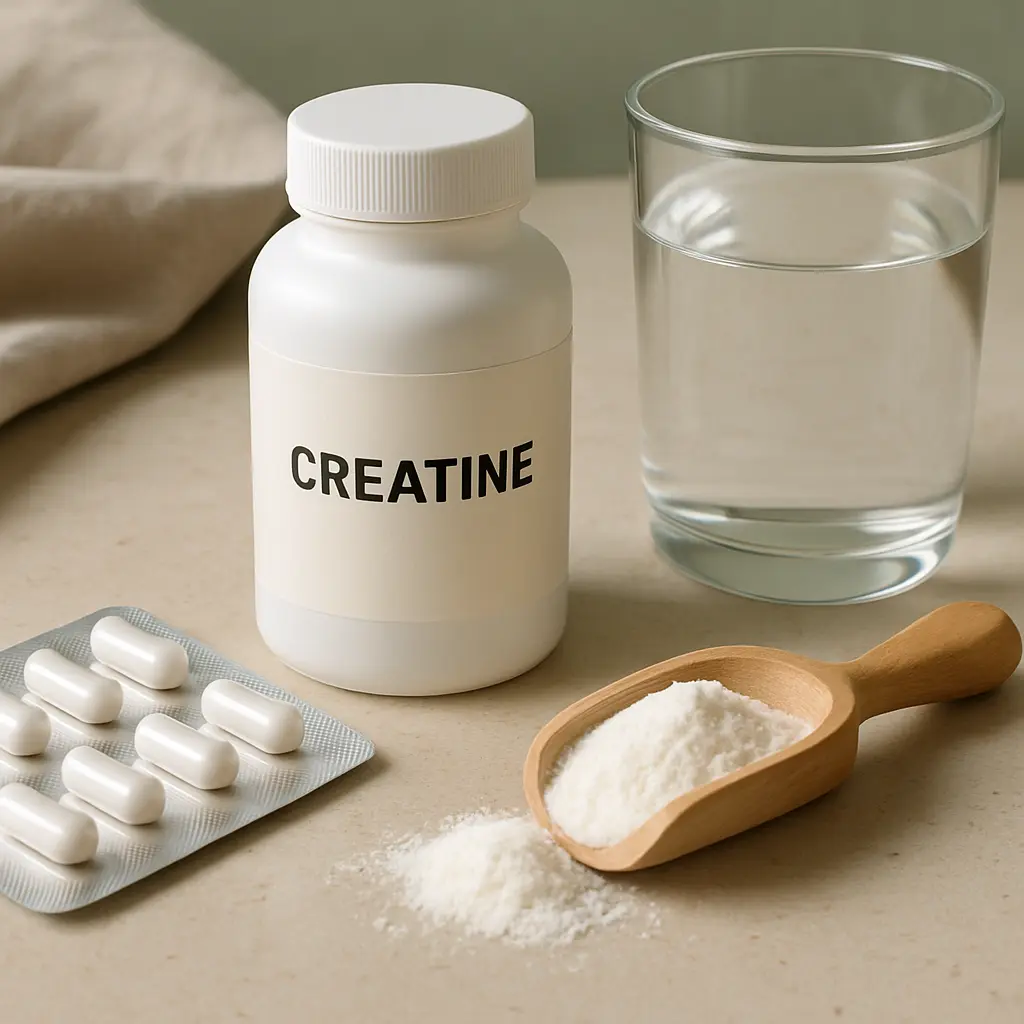
Creatine monohydrate is the most researched and widely used form in dietary supplements due to its proven efficacy and safety profile. Other forms, such as creatine citrate, malate, and hydrochloride, offer variations in solubility and absorption rates, but their effects on the body are largely similar.While single-ingredient supplements are common, “creatine stacks,” combining various forms, are also available to potentially enhance absorption and efficacy.
Conclusion: Supporting Senior Muscle Health
For seniors looking to maintain muscle health and overall physical function, creatine supplementation may offer valuable support. Alongside a balanced diet rich in vitamin D3 and omega-3 fatty acids, creatine can complement a comprehensive approach to healthy aging. Ultimately, incorporating creatine into a health regimen should be done thoughtfully and in consultation with healthcare professionals, ensuring it aligns with individual health goals and conditions.


