
Understanding Beta-Alanine: Benefits and Usage in Sports Nutrition
In this page
Beta-alanine is a non-essential amino acid, which means our bodies can produce it naturally. However, the amount synthesized is often not sufficient for those aiming to enhance their physical performance, particularly athletes. This blog post delves into the science behind beta-alanine, its role in muscle endurance, and how it can be incorporated into your fitness regimen safely and effectively. Whether you’re an athlete looking to improve endurance or someone interested in fitness, understanding the role of beta-alanine can be beneficial.

Scientific Background and General Context
Beta-alanine is an amino acid that does not play a role in protein synthesis directly but is crucial for the production of carnosine. Carnosine is a dipeptide composed of beta-alanine and histidine, predominantly found in muscle tissue and the brain. It plays a key role in buffering the pH levels in muscles, which helps delay the onset of fatigue during high-intensity exercise. When muscles are used strenuously, they produce hydrogen ions, leading to a more acidic environment and contributing to muscle fatigue. Carnosine helps to neutralize these ions, thus prolonging muscle endurance.The production of carnosine in muscles is limited by the availability of beta-alanine, which is why supplementing with beta-alanine can lead to increased carnosine levels, enhancing athletic performance. Unlike essential amino acids, beta-alanine is not obtained directly from dietary protein but can be produced in the liver through the breakdown of uracil, a component of RNA.
How Beta-Alanine Works
Upon ingestion, beta-alanine combines with histidine to form carnosine. This process is particularly interesting because, despite histidine being more abundant in muscle tissues, the synthesis of carnosine is dependent on the presence of beta-alanine. Supplementation with beta-alanine increases the concentration of carnosine in muscles, which can lead to several performance benefits.The primary benefit is the reduction of muscle acidity by neutralizing hydrogen ions, which helps athletes perform longer and more intensely. This buffering effect is similar to that of creatine, another popular supplement among athletes, although creatine focuses on energy provision through phosphate group donation rather than pH buffering.The increase in carnosine levels can have a direct impact on reducing the build-up of lactic acid, which is often a limiting factor in endurance activities. This is why beta-alanine is particularly popular among endurance athletes, such as long-distance runners and cyclists, as well as those engaged in high-intensity interval training.
Daily Use and Lifestyle Applications
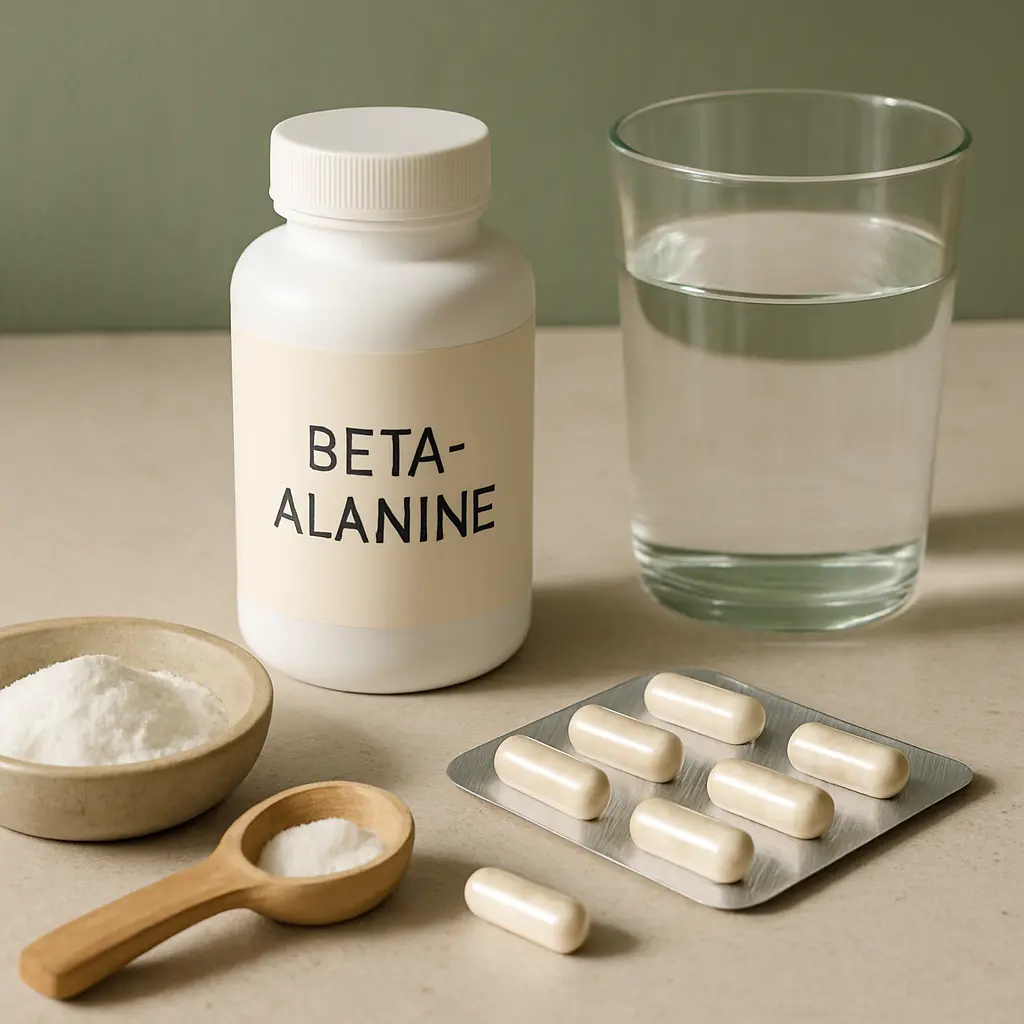
For those considering adding beta-alanine to their supplement regimen, it’s important to understand the proper use and potential benefits. Beta-alanine is available in various forms, including capsules, tablets, and powder. The powdered form is often preferred due to its versatility and ease of mixing with other supplements like creatine or citrulline.A typical daily dosage ranges from 3 to 6 grams. It is advisable to split this dose into two servings — for instance, one serving before exercise and another afterward. This not only maximizes absorption but also helps mitigate the common side effect known as paresthesia. Paresthesia involves a tingling sensation on the skin, which is harmless and typically subsides as the body adapts to the supplement.Athletes often integrate beta-alanine into their routine several weeks before competition to allow time for muscle carnosine levels to reach their peak. This is because the effects of beta-alanine are not immediate and require consistent intake over a period of 8-12 weeks for noticeable improvements in performance.
Balanced Perspective and Safety
While beta-alanine is widely considered safe, it is important to approach supplementation with a balanced perspective. The tingling effect, or paresthesia, is generally the only reported side effect and tends to diminish over time with regular use. Nevertheless, it is crucial to adhere to recommended dosages and consult with a healthcare provider or a dietitian if you have underlying health conditions or are taking other medications.Beta-alanine is not a substitute for a balanced diet or a replacement for other nutrients. It should be seen as a complement to a healthy lifestyle, which includes a nutritious diet, regular physical activity, and adequate rest. Furthermore, while beta-alanine can enhance performance, it does not replace the need for proper training and conditioning.For individuals who are not involved in high-intensity sports but are looking to improve general fitness, the benefits of beta-alanine might be less pronounced. In such cases, other strategies, such as improving overall diet and exercise habits, might be more effective.
Conclusion
Beta-alanine is a valuable supplement for athletes and fitness enthusiasts aiming to improve their endurance and performance. By increasing carnosine levels in muscles, it helps buffer acidity and delay fatigue, allowing for more prolonged and intense exercise sessions. However, as with any supplement, it should be used thoughtfully and as part of a comprehensive approach to health and fitness. Whether you’re new to exercising or a seasoned athlete, understanding the science and application of beta-alanine can help you make informed decisions about its role in your regimen.


