
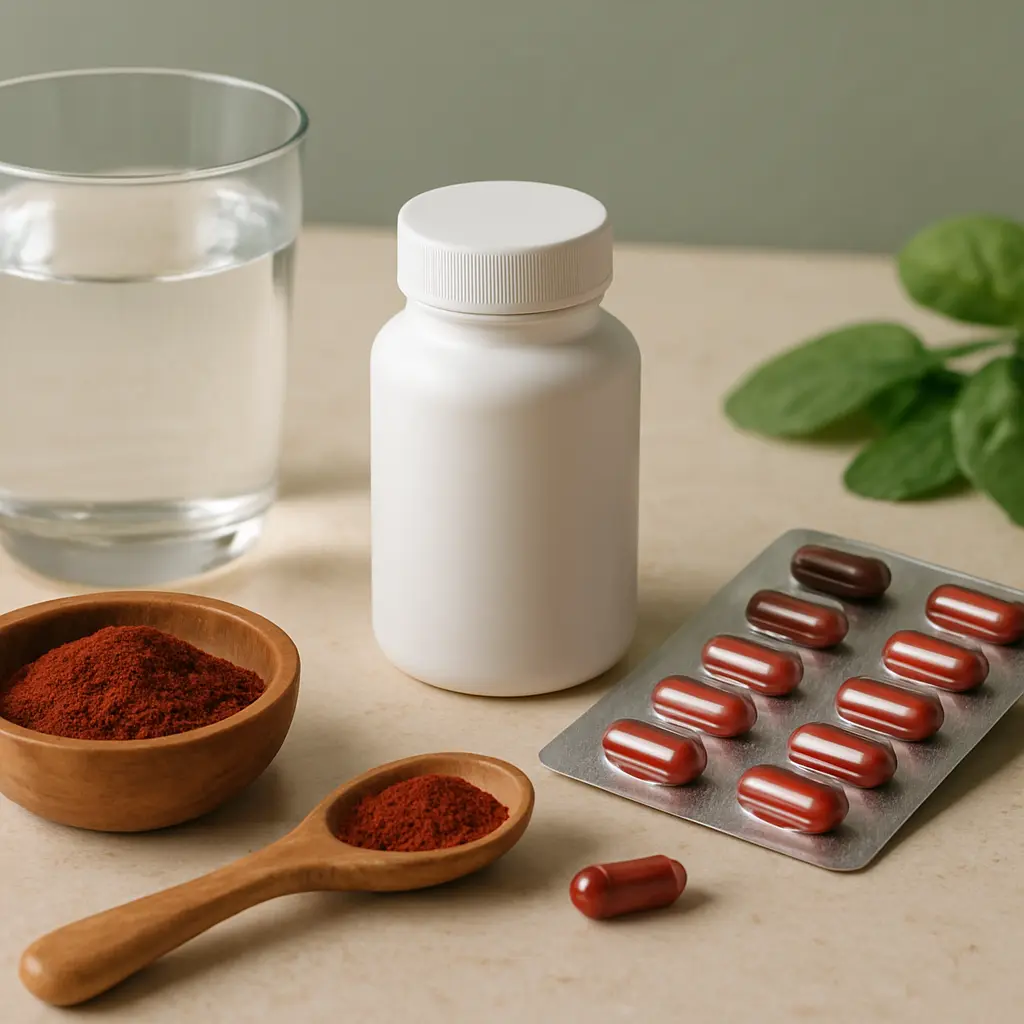
Understanding Astaxanthin: A Comprehensive Guide to Its Health Benefits and Uses
In this page
Astaxanthin is a powerful carotenoid, recognized for its potent antioxidant properties and potential health benefits. It is predominantly sourced from seafood like salmon and trout, where it accumulates in the muscle tissue of these animals. This article delves into the dietary sources of astaxanthin, its role as an antioxidant, its anti-inflammatory properties, and its potential health benefits. Additionally, it examines the considerations for long-term supplementation and the economic aspects of using astaxanthin as a dietary supplement.

Scientific Background and General Context
Astaxanthin belongs to a group of naturally occurring pigments known as carotenoids, which are responsible for the vibrant colors found in many fruits and vegetables. Unlike other carotenoids, which are often derived from plants, astaxanthin is primarily found in marine life. This is because it originates from microalgae, which are consumed by fish and other marine animals. Consequently, astaxanthin is most commonly ingested through seafood consumption.
Carotenoids are fat-soluble compounds, which means they require dietary fats for optimal absorption. In the human body, these compounds play various roles, including functioning as antioxidants and precursors to essential nutrients like vitamin A. Among carotenoids, astaxanthin stands out for its exceptional antioxidant capabilities, which protect the body from oxidative stress and the damage caused by free radicals.
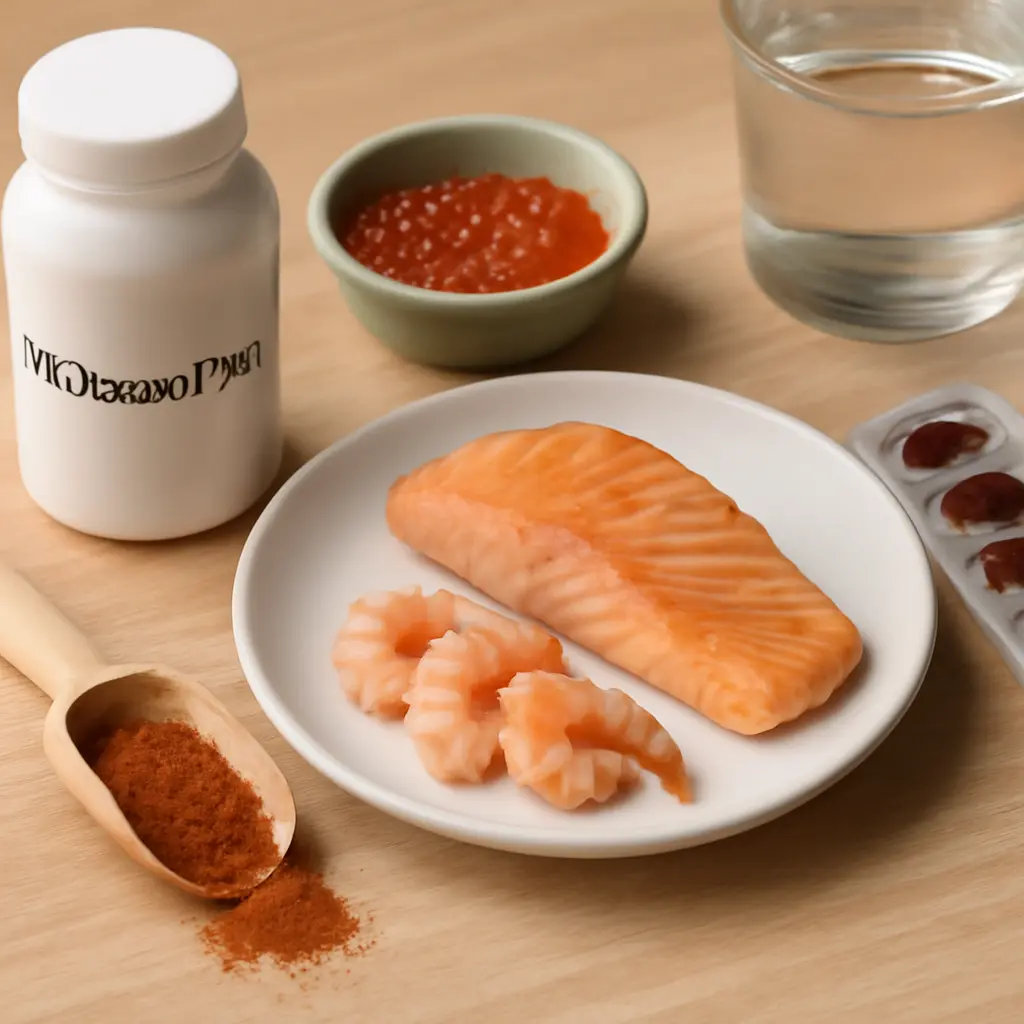
Dietary Sources of Astaxanthin
Astaxanthin is predominantly found in seafood such as salmon, trout, shrimp, and other shellfish. These creatures acquire astaxanthin by consuming microalgae that produce the compound. The pigment is responsible for the pinkish-red coloration seen in these animals. While it is possible to obtain astaxanthin from plant sources, such as certain types of yeast and algae, these are less common in a typical diet.
Incorporating seafood rich in astaxanthin into one’s diet can provide a natural source of this beneficial compound. However, for those who do not consume seafood regularly, dietary supplements are available, offering a convenient way to ensure adequate intake of astaxanthin.
Astaxanthin as a Potent Antioxidant
Astaxanthin is renowned for its powerful antioxidant properties. Antioxidants are crucial in neutralizing free radicals, which are unstable molecules that can cause cellular damage and contribute to various diseases, including cancer and heart disease. Among antioxidants, astaxanthin is considered one of the most potent, outperforming others like vitamin C, vitamin E, and beta-carotene by a significant margin.
Research has shown that astaxanthin is up to 6,000 times more effective than vitamin C, 550 times more potent than vitamin E, and 11 times stronger than beta-carotene in combating oxidative stress. This makes it a valuable ally in maintaining cellular health and preventing chronic diseases associated with oxidative damage.
Anti-inflammatory Properties
In addition to its antioxidant capabilities, astaxanthin exhibits significant anti-inflammatory properties. Inflammation is a natural immune response, but chronic inflammation can lead to various health issues, including arthritis, cardiovascular diseases, and metabolic syndrome. Astaxanthin has been shown to reduce inflammation by inhibiting the expression of pro-inflammatory molecules within the body.
Studies have indicated that astaxanthin can modulate the immune response, reducing inflammation without suppressing the immune system. This makes it an attractive option for individuals seeking natural anti-inflammatory agents to support their overall health.
Astaxanthin and Vitamin A
As a carotenoid, astaxanthin is related to beta-carotene, a well-known precursor to vitamin A. However, unlike beta-carotene, astaxanthin is not a significant source of vitamin A in the human diet. While it can be converted into vitamin A under specific circumstances, its contribution is minimal compared to other carotenoids.
Nonetheless, astaxanthin’s role in the body extends beyond its vitamin A precursor activity. It can interact with certain receptors involved in hormonal regulation, emphasizing its diverse biological functions.
Health Benefits of Astaxanthin
Given its antioxidant and anti-inflammatory properties, astaxanthin offers several potential health benefits. Research suggests it may support cardiovascular health by reducing oxidative stress and inflammation, which are risk factors for heart disease. Astaxanthin has also been linked to improved skin health, as it can protect against UV-induced damage and promote collagen synthesis.
Furthermore, astaxanthin may enhance exercise performance by reducing muscle damage and fatigue, allowing for quicker recovery and improved endurance. Additionally, its neuroprotective effects suggest that astaxanthin could play a role in maintaining cognitive function and preventing neurodegenerative conditions.
Daily Use and Lifestyle Applications
Incorporating astaxanthin into your daily routine can be done through dietary sources or supplementation. For those who enjoy seafood, consuming salmon, trout, and shrimp regularly can provide a natural source of astaxanthin. For individuals who prefer not to eat seafood or have dietary restrictions, supplements are available in various forms, such as capsules and softgels.
When considering supplementation, it is essential to follow recommended dosages, usually ranging from 4 to 12 milligrams per day. Consistency is key to experiencing the benefits of astaxanthin, as it accumulates in the body’s tissues over time.
Balanced Perspective and Safety
While astaxanthin is generally considered safe for long-term use, it is important to approach supplementation with a balanced perspective. High doses may lead to potential side effects, such as changes in skin pigmentation and, in rare cases, gastrointestinal discomfort. As with any supplement, it is crucial to consult a healthcare professional before starting astaxanthin, especially for individuals with pre-existing health conditions or those taking other medications.
Economically, astaxanthin supplementation can be costly over time. However, its fat-soluble nature allows it to remain active in the body for several days. Some experts suggest a strategic supplementation approach, where astaxanthin is taken daily initially and then reduced to a few times a week to maintain adequate levels without incurring excessive costs.
Conclusion
Astaxanthin is a remarkable carotenoid with unique health benefits, primarily sourced from marine life. Its potent antioxidant and anti-inflammatory properties make it a valuable addition to a health-conscious lifestyle. Whether through diet or supplements, incorporating astaxanthin can support overall health and well-being. However, as with any supplement, it is essential to use astaxanthin wisely and consider personal health needs and economic factors when deciding on its long-term use.


