
The Role of Magnesium Carbonate in Sports: Benefits and Challenges
In this page
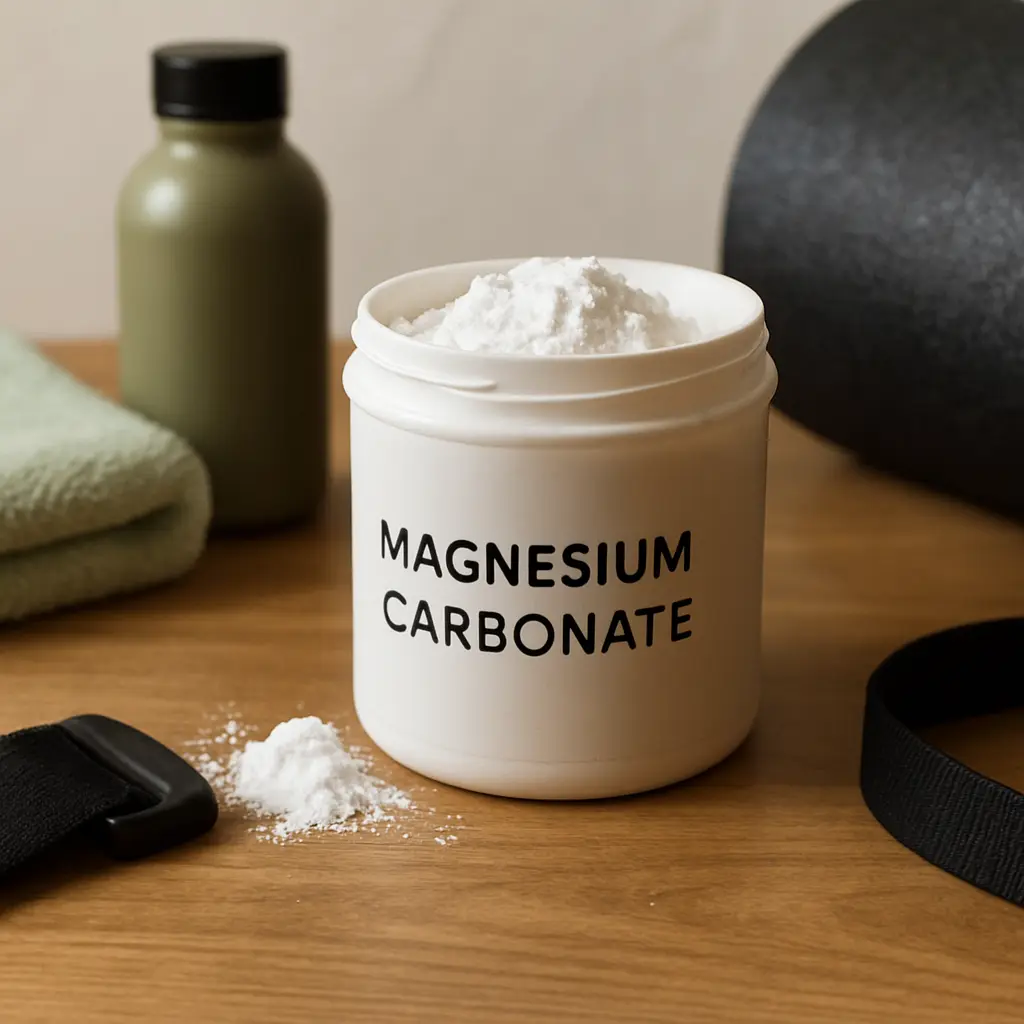
Magnesium carbonate, commonly referred to as “magnesia,” is a popular product among athletes, particularly those who require a secure grip during their workouts. Weightlifters, gymnasts, and climbers often rely on magnesia to absorb moisture from their hands, ensuring a firmer hold on weights and equipment. While magnesia offers significant advantages in sports, its use in fitness clubs can be contentious due to concerns about cleanliness, safety, and user comfort. This article explores the applications of magnesium carbonate in sports, its historical significance, and why it sometimes faces criticism in shared fitness environments.

Scientific Background and General Context
Magnesium carbonate is a chemical compound with the formula MgCO₃. In sports and physical activities, it is primarily used in a powdered form to increase friction between the skin and various surfaces. When applied to the hands, magnesia effectively absorbs sweat, reducing slipperiness and consequently enhancing grip strength. This property makes it an invaluable asset in activities where maintaining a firm hold is crucial for performance and safety.
Magnesia is widely utilized in disciplines such as weightlifting, gymnastics, and rock climbing. In these sports, a secure grip is not only vital for achieving optimal performance but also essential for preventing accidents and injuries. By mitigating the effects of sweat, magnesium carbonate allows athletes to focus more on their technique and less on the possibility of equipment slipping from their grasp.
Daily Use and Lifestyle Applications
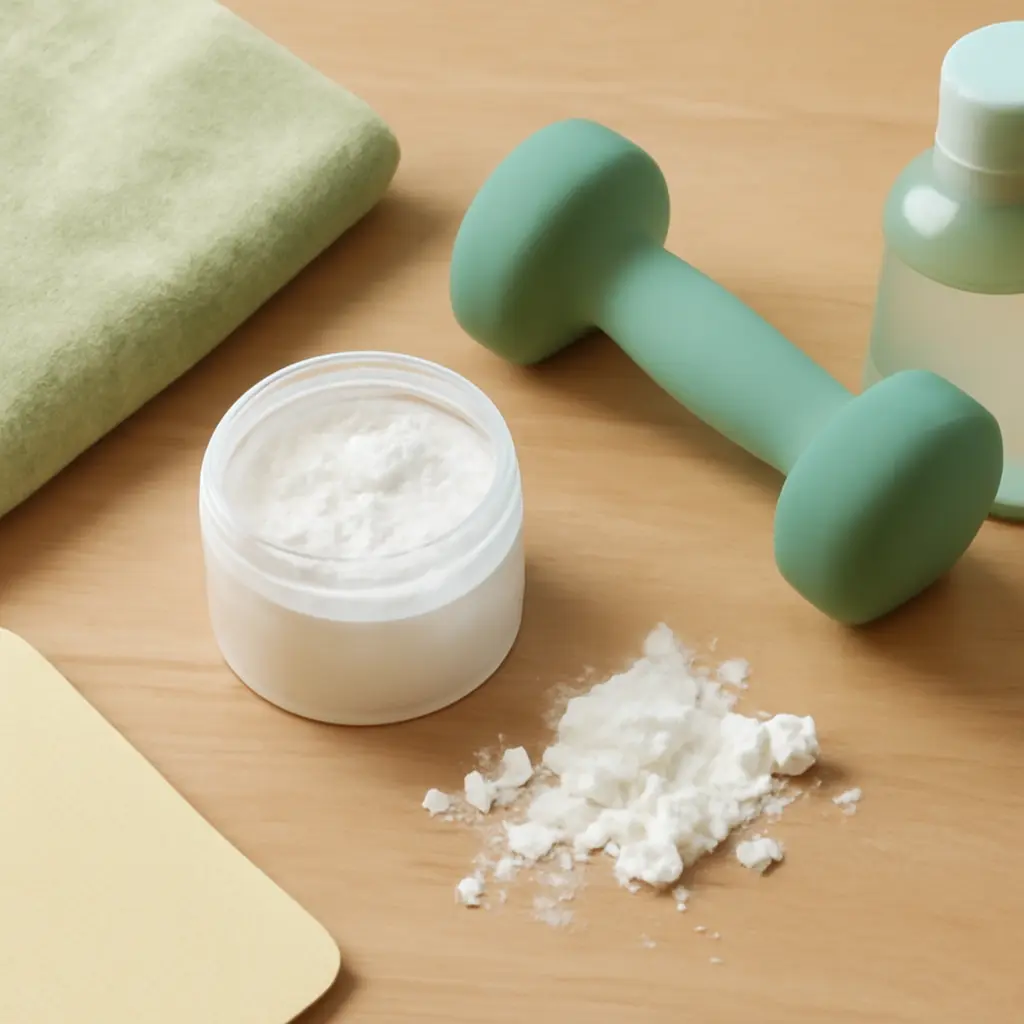
For athletes who regularly incorporate magnesium carbonate into their routines, understanding its proper application and managing its drawbacks is crucial. During weightlifting sessions, for instance, magnesia can be dusted onto the hands before gripping a barbell or dumbbells. Gymnasts apply it before performing on apparatus such as the parallel bars or rings, while climbers often use it to aid their ascent on challenging rock faces.
Despite its benefits, the use of magnesium carbonate comes with certain challenges, especially in shared fitness environments. The powder can leave a white residue on equipment and floors, which can be unsightly and requires regular cleaning. This residue can also spread to other gym-goers’ clothing and belongings, potentially leading to discomfort and dissatisfaction.
Balanced Perspective and Safety
While magnesium carbonate enhances grip and performance, it is not without safety concerns. In fitness clubs, the accumulation of magnesia on smooth surfaces can create slippery conditions, increasing the risk of slips and falls. Gym owners and managers must find a balance between allowing its use and maintaining a safe environment for all patrons.
Additionally, inhaling magnesia dust can irritate the respiratory system, particularly in poorly ventilated spaces. For individuals with respiratory issues such as asthma or allergies, exposure to airborne particles can exacerbate symptoms and reduce overall training quality. Fitness facilities aiming to accommodate all users might implement special zones for magnesia use or encourage alternatives such as liquid grip aids, which provide similar benefits with less mess.
Historical Applications of Magnesium Carbonate
The use of powders to enhance grip dates back to ancient times when athletes employed various substances to improve their performance. Magnesium carbonate as we know it became popular in the 20th century, coinciding with the rise of organized sports and the demand for products that could offer a competitive edge.
In sports like gymnastics and climbing, magnesia has become an integral component of the athlete’s toolkit. Its ability to reliably improve grip has cemented its role in disciplines that emphasize strength, precision, and safety. Over the decades, athletes have continued to rely on magnesium carbonate, fine-tuning its application to maximize its benefits while minimizing its drawbacks.
Interesting Facts About Magnesium Carbonate
Magnesium carbonate is not only useful for its moisture-absorbing properties. It is also a naturally occurring mineral used in a variety of industries. Beyond sports, it finds applications in the pharmaceutical industry as an additive and in food production as a drying agent.
In terms of environmental impact, magnesium carbonate is considered to be relatively benign. It poses no significant ecological hazards, making it a favorable choice in a world increasingly conscious of sustainability. However, its impact on indoor air quality in fitness spaces remains a topic of discussion among sports facility operators.
Conclusion
Magnesium carbonate plays a crucial role in enhancing grip and performance in sports. However, the challenges associated with its use, particularly in shared fitness environments, necessitate responsible application. Athletes who benefit from magnesia’s properties should remain aware of its potential impact on their surroundings, using it considerately to maintain cleanliness and safety within fitness clubs.
By adopting mindful practices, such as using designated areas for application and cleaning up after use, athletes can continue to enjoy the benefits of magnesium carbonate while ensuring a positive experience for everyone sharing the fitness space.


