

The Health Benefits of Rutin: A Powerful Antioxidant
In this page
Rutin, a naturally occurring flavonoid, is increasingly recognized for its potential health benefits. Commonly found in foods like citrus fruits, apples, and tea, rutin is known for its antioxidant properties, which can aid in protecting the body from oxidative stress. This article explores the scientific background of rutin, its biological functions, dietary sources, and how it can be incorporated into a healthy lifestyle. We will also discuss the considerations one should keep in mind when considering rutin supplementation.

Scientific Background and General Context
Rutin, also referred to as rutoside or vitamin P, is a type of flavonoid derived from quercetin, another well-known antioxidant compound found widely in plants. Flavonoids are a diverse group of plant chemicals that play a crucial role in plant metabolism and contribute to the vibrant colors of fruits and vegetables. They are also significant for human health due to their antioxidant properties, which help neutralize harmful free radicals in the body.The history of rutin dates back to its initial extraction from the plant rue, from which it gets its name. Over time, it has been identified in various dietary sources such as buckwheat, passionflower, and Japanese pagoda tree. In addition to its natural occurrence, rutin is available as a dietary supplement, often paired with vitamin C, given their complementary effects in supporting the immune system.
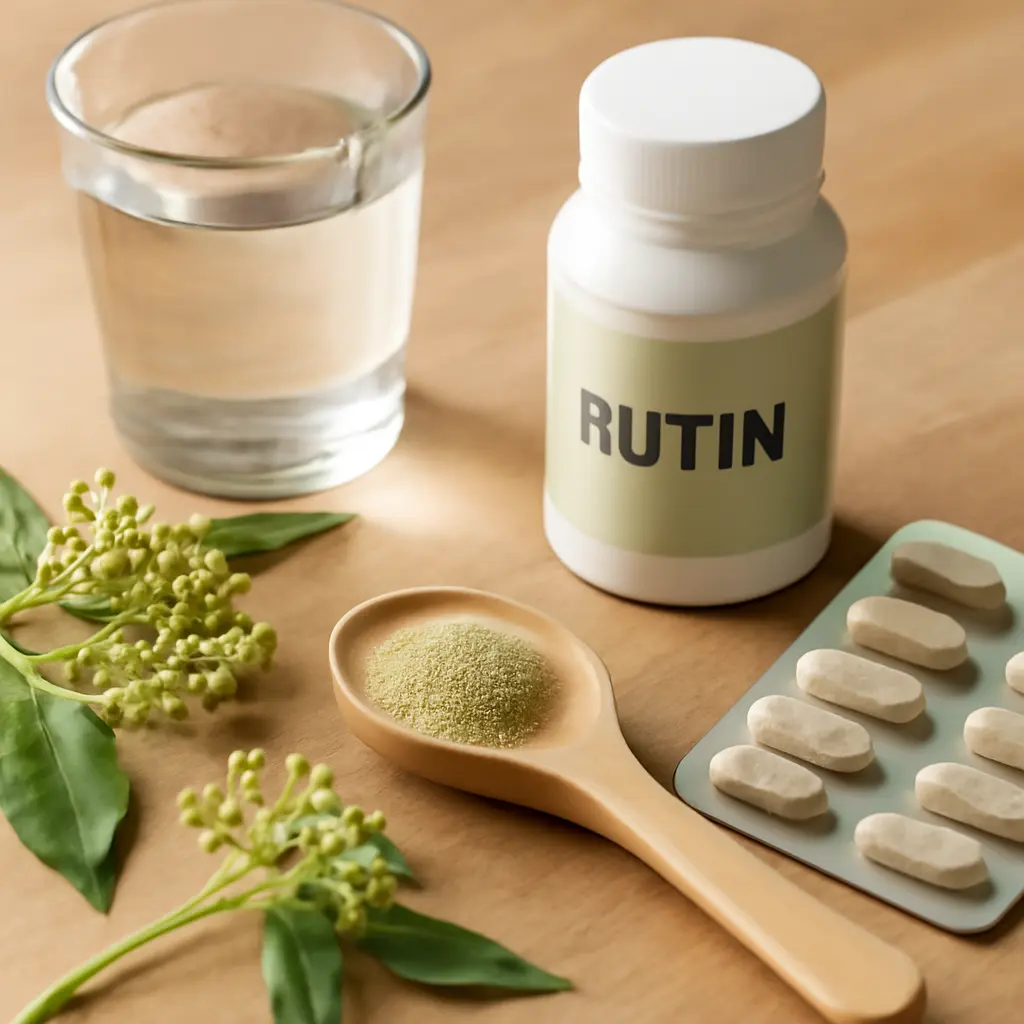
Biological Functions and Health Benefits of Rutin
Rutin’s primary biological function is as an antioxidant. This means it helps protect cells from damage caused by free radicals—unstable molecules that the body produces as a reaction to environmental and other pressures. If left unchecked, oxidative stress from free radicals can lead to chronic inflammation and has been linked to many diseases, including cardiovascular disease, cancer, and neurodegenerative disorders like Alzheimer’s disease.Rutin’s antioxidant capacity extends beyond its ability to scavenge free radicals. It may also mitigate the effects of advanced glycation end products (AGEs), which are harmful compounds that form when protein or fat combine with sugar in the bloodstream. By potentially inhibiting AGE formation, rutin might help maintain vascular health and prevent conditions related to metabolic disturbances.Moreover, rutin can cross the blood-brain barrier, indicating its potential role in supporting brain health. Preliminary studies suggest that it may exert anti-inflammatory effects in the brain, which could provide neuroprotective benefits and support cognitive function.Research also indicates that rutin may protect gastrointestinal tissues and support vascular health by strengthening blood vessels and improving circulation. Its anti-inflammatory properties may offer protective benefits to the cardiovascular system by reducing the risk of atherosclerosis—a condition characterized by the hardening of arteries.
Dietary Sources of Rutin
Rutin is naturally found in a variety of fruits and vegetables. Some of the richest dietary sources include:- **Citrus fruits:** Oranges, lemons, and limes contain significant amounts of rutin, along with vitamin C, another powerful antioxidant.- **Buckwheat:** Known for its high rutin content, buckwheat is often recommended for individuals seeking to increase their flavonoid intake.- **Apples and Grapes:** Both of these fruits contain rutin and other polyphenols, contributing to their health benefits.- **Tea:** Both green and black teas provide rutin, making them a beneficial addition to a daily diet.- **Asparagus and Onions:** These vegetables not only add flavor to dishes but also provide a beneficial dose of rutin.Consuming a diverse range of fruits and vegetables is the best approach to obtain enough rutin and other beneficial flavonoids, contributing to overall health and well-being.
Daily Use and Lifestyle Applications
Incorporating rutin into one’s diet can be beneficial for maintaining health and preventing disease. Here are some practical ways to include rutin-rich foods and supplements in daily life:1. **Dietary Integration:** Adding more citrus fruits, apples, grapes, and buckwheat to your meals can enhance your intake of rutin. Start your day with a glass of fresh orange juice or add a buckwheat porridge to your breakfast routine.2. **Tea Consumption:** Regularly enjoying a cup of green or black tea can be a simple and effective way to incorporate rutin into your diet. Choose tea leaves over bagged teas to maximize antioxidant intake.3. **Supplementation:** For those during high-stress periods or with limited access to fresh produce, rutin supplements can offer a convenient alternative. These are typically available in tablet or capsule form, often combined with vitamin C to enhance immune support.4. **Cooking Tips:** Include onions and asparagus in your cooking. These vegetables can be used in a variety of recipes, from soups to stir-fries, adding both flavor and nutrients.
Balanced Perspective and Safety
While rutin offers numerous potential benefits, it is essential to maintain a balanced approach to its consumption. Here are some considerations for safely incorporating rutin into your diet:- **Moderation and Diet Diversity:** Like all supplements and nutrients, moderation is key. Rely on a variety of foods to meet your nutritional needs rather than focusing on a single compound.- **Supplement Caution:** If considering rutin supplements, consult with a healthcare provider, especially if you have existing health conditions or are taking other medications. – **Digestive Health:** The absorption of rutin and other flavonoids can be influenced by gut health. Maintaining a healthy gut microbiome through a diet rich in fiber, adequate hydration, and avoiding excessive alcohol can enhance the bioavailability of these compounds.- **Understanding Bioavailability:** The effectiveness of rutin, like many plant compounds, can vary based on its bioavailability, which is how well it is absorbed and utilized by the body. Factors such as formulation, dietary context, and individual metabolism can influence this.In conclusion, rutin is a valuable component of a healthy diet, offering antioxidant protection and potential protective effects against various health conditions. Ensuring a balanced intake through diverse dietary sources and informed supplementation can support overall health and wellness.


