
Tapioca: A Nutritional Powerhouse and Culinary Delight
In this page
Tapioca, widely recognized for its role in exotic desserts, is a versatile ingredient with a rich history and diverse applications. Derived from the cassava plant, a staple in tropical regions, tapioca’s significance extends far beyond its culinary uses. This article delves into the origin, nutritional properties, and uses of tapioca in daily diets, while providing insights into its role in the food industry and its suitability for various dietary needs. We will explore its ease of digestion, gluten-free nature, and culinary versatility, making it a valuable addition to many diets.
Scientific Background and General Context
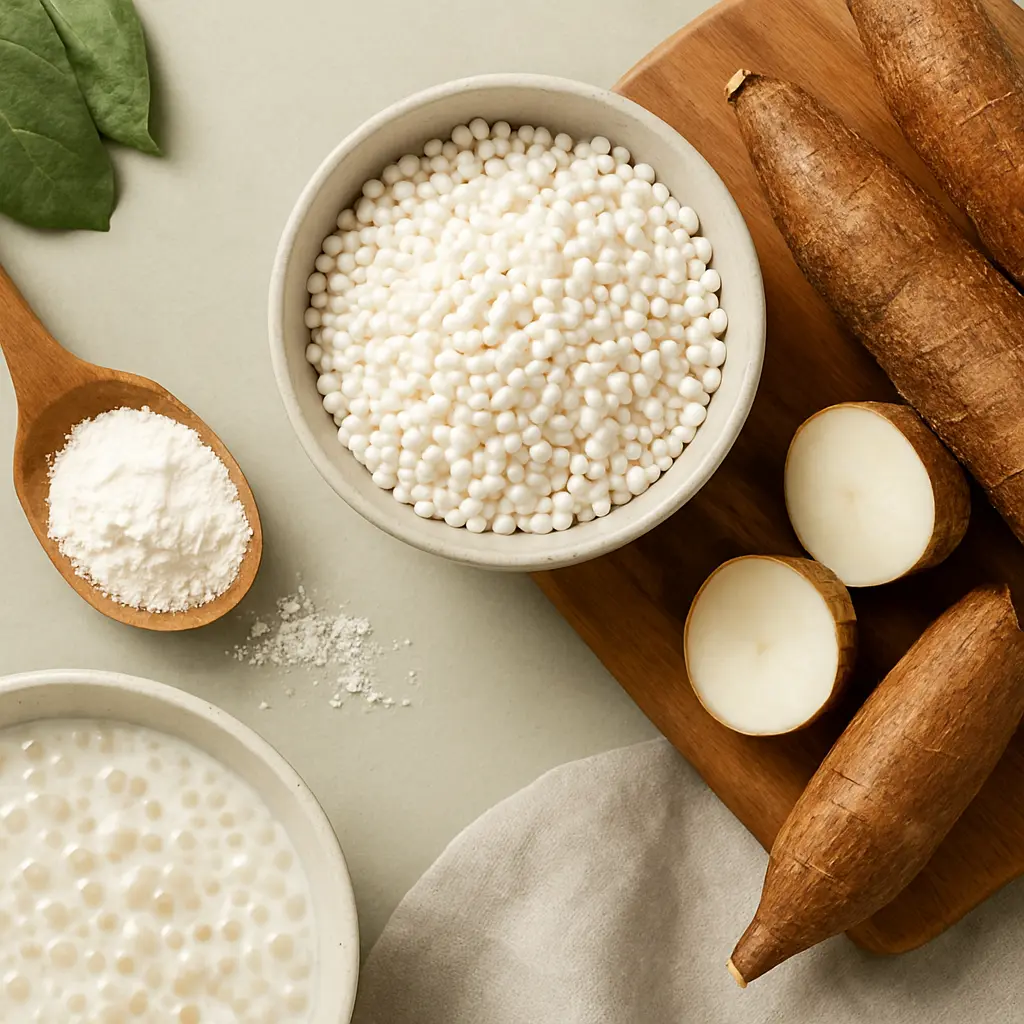
Tapioca is extracted from the cassava plant, which is native to South America but is now cultivated in tropical regions worldwide, including Africa and Southeast Asia. Cassava is known for its high starch content and efficient growth, making it a critical food source for millions of people. The plant’s roots, encased in a rough, brown exterior, are processed to produce tapioca, which appears in the form of pearls, flour, or flakes.An interesting scientific aspect of cassava is its content of cyanogenic glycosides, compounds that can be toxic if consumed raw. However, proper preparation methods, such as soaking and cooking, effectively eliminate this risk, making tapioca safe and nutritious. This detoxification process is crucial, particularly in regions where cassava forms a significant part of the diet.
Characteristics and Nutritional Profile of Tapioca
A Food Industry Favorite
Tapioca’s high starch yield makes it a valuable resource in the food industry. Its ability to withstand high temperatures without breaking down makes it an ideal thickening agent and stabilizer in various food products, including sauces, soups, and frozen goods. Additionally, its neutral taste and springy texture enhance the sensory qualities of many dishes, allowing it to blend seamlessly with other ingredients.
Essential Role in Sustaining Populations
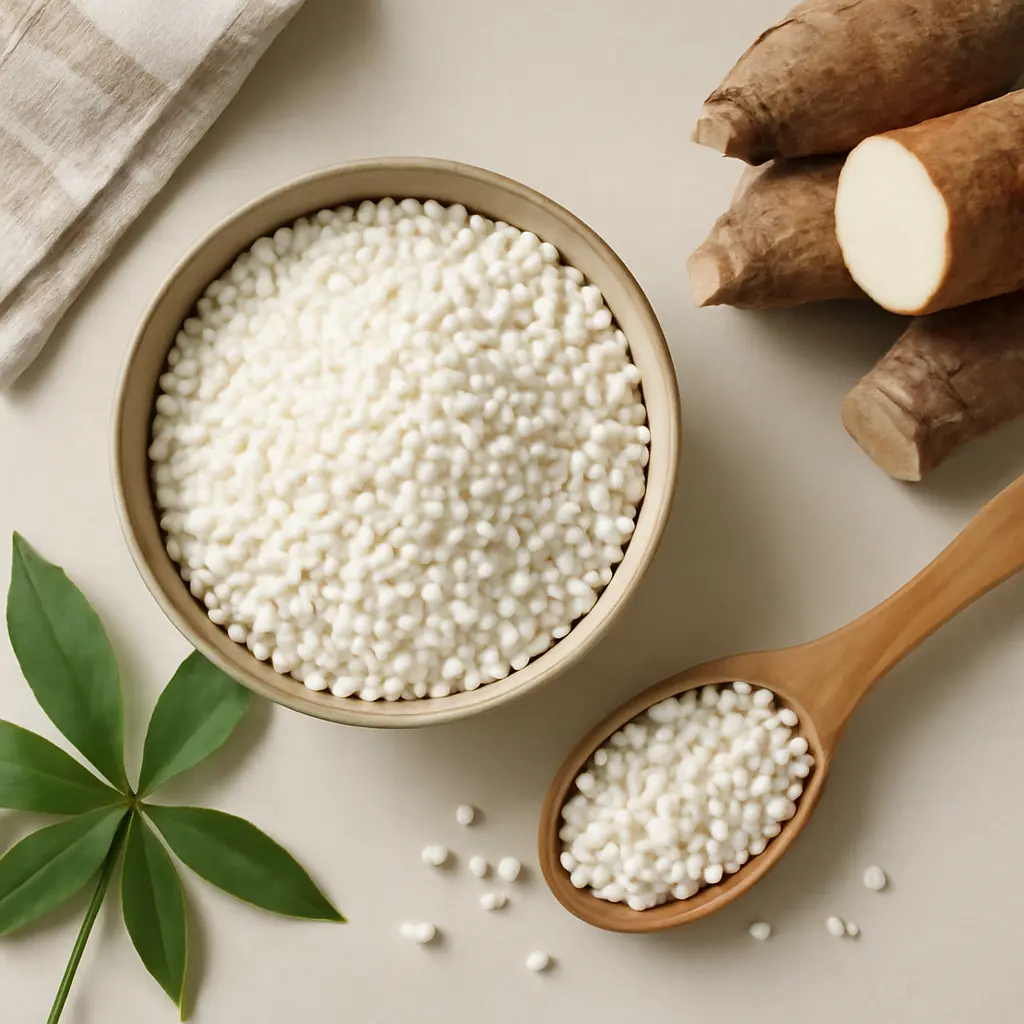
Cassava supports the nutritional needs of millions due to its efficient starch production and adaptability to different climates. In many regions, it forms a dietary cornerstone, providing essential carbohydrates and energy. The plant grows as a shrub, reaching 6 to 10 feet in height, with distinctive palm-like leaves and starchy tubers underground.
The Versatile Form of Tapioca Pearls
Tapioca pearls, perhaps its most recognizable form, are small, white, and hard before cooking. Once boiled, they become translucent and soft, adding a unique texture to dishes. Apart from pearls, tapioca is available as flour and flakes, each offering distinct culinary applications.
Detailed Nutritional Benefits of Tapioca
Macronutrients and Caloric Content
Tapioca is primarily composed of carbohydrates, specifically starch, which provides a quick energy source. It contains minimal protein and fat, making it a lower-calorie carbohydrate option compared to others. One hundred grams of dry tapioca pearls provide approximately 358 calories, with over 85% of the content being carbohydrates.
Minerals and Micronutrients
While tapioca is not a rich source of vitamins, it contains essential minerals like calcium, iron, and potassium. Notably, it offers about 15% of the recommended daily allowance (RDA) for iron per 100 grams, making it beneficial for individuals on vegetarian and vegan diets. It also contains manganese, which exceeds 15% of the RDA, supporting various bodily functions.
Gluten-Free and Digestive-Friendly
Tapioca is inherently gluten-free, making it an excellent choice for those with celiac disease or gluten intolerance. Its neutral flavor allows it to be incorporated into a wide range of dishes without altering taste. Additionally, tapioca is easily digestible and hypoallergenic, suitable for individuals with digestive sensitivities or dietary restrictions.
Comprehensive Nutritional Values
The following table outlines the nutritional content of 100 grams of dry tapioca:
| Nutrient | Content |
|---|---|
| Calories | 350–360 kcal |
| Protein | 0.2–0.5 g |
| Fat | 0.03–0.1 g |
| Carbohydrates | 88–90 g |
| Fiber | 0.8–1.0 g |
| Iron | 1.5–1.6 mg |
| Manganese | 0.35–0.4 mg |
Daily Use and Lifestyle Applications
Creative Culinary Uses
Tapioca is a staple in many kitchens worldwide, featuring prominently in sweet and savory dishes. Tapioca pearls are particularly famous in desserts such as coconut milk pudding and the trendy bubble tea, where they provide a chewy contrast to the drink’s liquid elements. These pearls can also be flavored or colored to enhance visual and taste appeal.
Gluten-Free Cooking with Tapioca Flour
Tapioca flour is highly valued in gluten-free cooking as a thickening agent in soups, sauces, and baked goods. Its neutral taste pairs well with diverse ingredients, from sweet to savory. In Brazilian cuisine, for example, tapioca flour is a key component of cheese bread, known for its crisp exterior and soft, cheesy interior.
Industry Uses and Molecular Gastronomy
In the food industry, tapioca acts as a stabilizer and thickener, particularly in frozen foods, improving the consistency of finished products. Its use in molecular gastronomy, for creating spherical forms in desserts and snacks, showcases its versatility. Additionally, tapioca’s gel-forming ability enhances the texture of dietary foods and energy bars, contributing to prolonged satiety.
Replacing Traditional Thickeners
Tapioca is often used as a substitute for traditional starches, such as corn or potato starch, because of its superior heat stability and neutral flavor. This makes it invaluable in culinary applications requiring a flexible and resilient texture.
Balanced Perspective and Safety
While tapioca is a beneficial food product, it is essential to consume it as part of a balanced diet. Its high carbohydrate content means it should be paired with other nutrient-dense foods to ensure a well-rounded intake. For those relying heavily on tapioca, especially in regions where cassava is a dietary staple, ensuring proper preparation to remove natural toxins is crucial.Furthermore, while tapioca is generally safe for most people, those with specific dietary restrictions or medical conditions should consult with a healthcare provider or nutritionist to tailor its inclusion in their diet appropriately.In conclusion, tapioca is a versatile and nutritious ingredient that offers numerous culinary and health benefits. Its adaptability, ease of digestion, and gluten-free nature make it suitable for a wide range of dietary needs and culinary applications, contributing to its enduring popularity worldwide.


