Let's Shape The Future Of Your Investments!
Natoque iaculis cursus augue urna commodo aptent morbi tortor porttitor quis ornare.


Vitamin C is a powerhouse nutrient essential for maintaining a healthy body, but getting enough through diet can be challenging, especially with the rise of processed foods. This article explores the various ways to incorporate vitamin C into your daily routine, from natural food sources to supplements, including the innovative liposomal vitamin C. We aim to provide a comprehensive guide to understanding the role of vitamin C, its dietary sources, the science behind supplementation, and the potential benefits of different supplement forms.

Vitamin C, or ascorbic acid, is a vital nutrient required for numerous bodily functions, most notably the synthesis of collagen, absorption of iron, and the maintenance of immune function. As a water-soluble vitamin, it must be consumed regularly since the body does not store it. The recommended daily intake for adults is about 65 to 90 milligrams, though this can vary based on age, gender, and health status.Historically, vitamin C deficiency led to scurvy, a disease marked by anemia, gum disease, and skin problems. Today, while scurvy is rare, inadequate intake of vitamin C can still lead to suboptimal health outcomes, including weakened immunity and delayed wound healing.
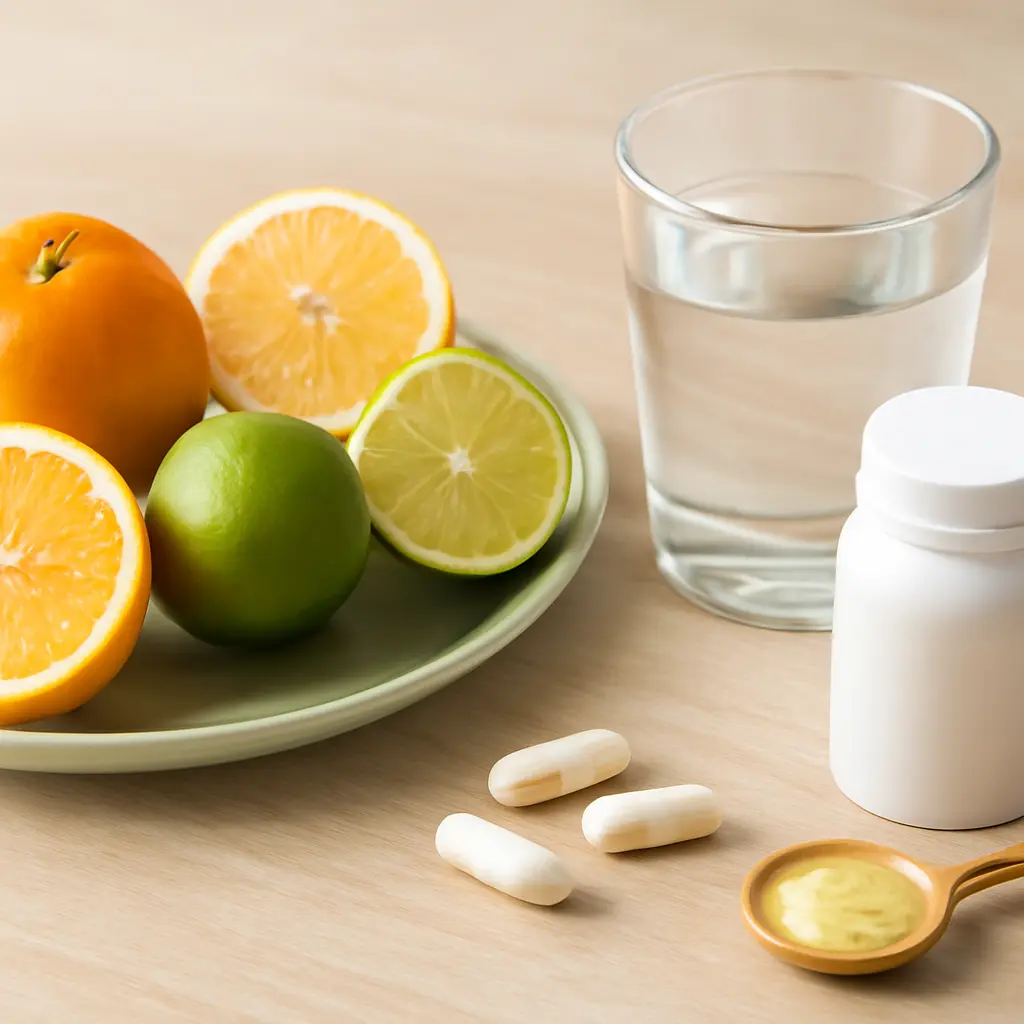
A well-rounded diet is the best avenue for obtaining vitamin C, with fruits and vegetables being the most abundant sources. Citrus fruits like oranges, lemons, and limes are well-known for their high vitamin C content. However, other fruits such as strawberries, kiwis, and papayas also offer substantial amounts. Vegetables like red and green peppers, broccoli, and Brussels sprouts are excellent sources as well, often providing more vitamin C per serving than some fruits.Certain less common foods boast even higher concentrations of vitamin C, such as acerola cherries and rose hips, though these are not typically consumed in their raw form. While jams and preserves made from these fruits are available, the processing and storage can significantly diminish their vitamin C content.
For individuals unable to meet their vitamin C needs through diet alone, supplements can help bridge the gap. The most common form found in supplements is ascorbic acid, which is the purest form of vitamin C. To enhance absorption and stability, some supplements combine ascorbic acid with mineral salts, forming compounds like sodium ascorbate or calcium ascorbate.Additionally, supplements may include plant-based antioxidants from citrus bioflavonoids, rose hips, or acerola to potentially boost the efficacy of vitamin C. These antioxidants can aid in the body’s absorption and utilization of the vitamin.
Liposomal vitamin C is a relatively new development in the supplement industry designed to improve the bioavailability of ascorbic acid. In this format, vitamin C is encapsulated in liposomes—small, spherical vesicles composed of phospholipid bilayers. This encapsulation allows for better absorption as the liposomes can merge with cell membranes, facilitating the entry of vitamin C into cells.The lipophilic nature of liposomal vitamin C means it can more easily penetrate cellular membranes compared to traditional water-soluble forms. This can be particularly beneficial for boosting collagen production, supporting healthy skin, muscles, and joints, and enhancing metabolic processes such as the synthesis of L-carnitine, a compound important for energy production.
Incorporating vitamin C into your daily routine can be seamlessly achieved by focusing on a diet rich in fruits and vegetables. Start your day with a vitamin C-rich smoothie using ingredients like oranges, strawberries, and spinach. Include a vibrant salad with bell peppers and broccoli for lunch, and enjoy a kiwi or papaya as a refreshing snack.For those opting for supplements, it’s important to follow dosage recommendations to avoid excessive intake, which can lead to side effects such as gastrointestinal discomfort. Consider timing the intake of your vitamin C supplement with meals to enhance absorption and reduce acidity in the stomach.
While vitamin C is essential for health, balance is crucial. Excessive intake, especially from supplements, can cause side effects like diarrhea, nausea, and abdominal cramps. It’s generally considered safe to consume up to 2,000 milligrams of vitamin C per day from all sources, but it’s wise to aim for your daily needs primarily through diet.Individuals with specific health conditions or those taking certain medications should consult healthcare providers before starting any new supplement regimen. As vitamin C can enhance iron absorption, those with conditions like hemochromatosis should be particularly cautious.In summary, vitamin C is a versatile and crucial nutrient that supports various aspects of health. By understanding its sources, forms, and functions, you can make informed decisions to incorporate this vitamin effectively into your lifestyle, ensuring optimal health and well-being.


