
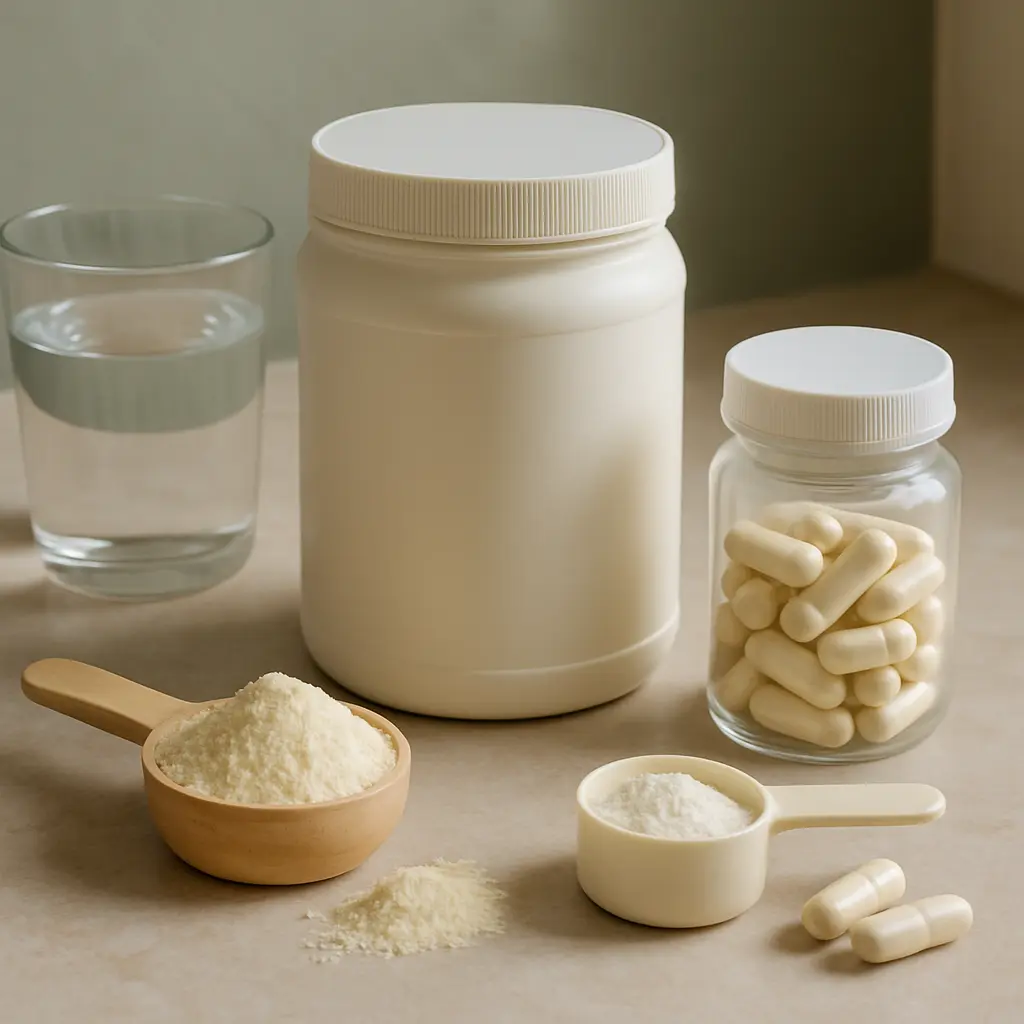
Exploring the Differences and Benefits of Protein Supplements and Collagen Hydrolysates
In this page
Protein supplements and collagen hydrolysates are popular inclusions in both sports nutrition and clinical diets, yet they serve distinct functions and mechanisms. Understanding these differences can help optimize their use for various fitness goals and health needs. This article will explore the roles and benefits of both protein supplements and collagen, offering insights into how they can be effectively incorporated into daily routines. We will discuss the scientific background, daily use, and safety considerations to provide a comprehensive overview.
Scientific Background and General Context
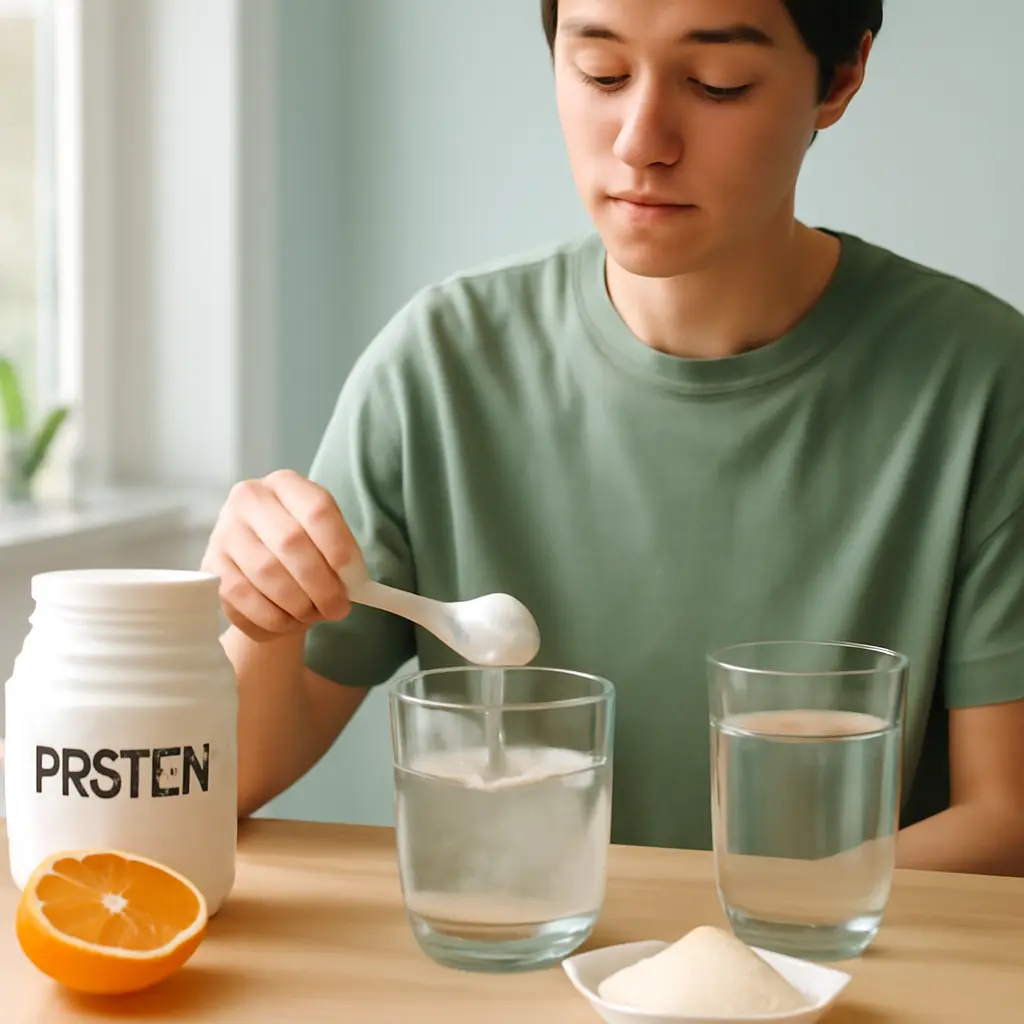
Protein supplements, including whey protein concentrates, isolates, casein, egg protein, and plant-based options like soy and pea protein, are designed to provide essential amino acids in significant amounts. These supplements are often characterized by their high biological value, meaning they contain all the essential amino acids in proportions that are easily utilized by the body. On the other hand, collagen supplements, particularly hydrolysates, have a unique amino acid profile dominated by glycine, proline, and hydroxyproline. Unlike complete protein sources, collagen does not supply all essential amino acids. However, the specific amino acids in collagen play pivotal roles in maintaining connective tissue integrity, promoting skin elasticity, and supporting joint health.

Protein Supplements: Mechanisms and Benefits
Traditional protein supplements are renowned for their anabolic effects, which stimulate muscle protein synthesis and support muscle growth and recovery. This makes them particularly valuable around workout sessions and within high-protein diets aimed at building muscle mass or reducing body fat while preserving lean body mass.Additionally, proteins that deliver a complete amino acid profile can elevate levels of glutathione, a potent antioxidant that enhances immune function and aids in detoxification processes. They also contribute to neurotransmitter production, such as serotonin, which is linked to mood regulation, and leptin, which assists in appetite control.
Collagen Supplements: Functions and Advantages
In contrast to conventional protein supplements, collagen products primarily offer structural support to the human body. Collagen is a vital component of connective tissues, including skin, tendons, ligaments, and cartilage. Its intake can improve skin flexibility, joint strength, and overall tissue repair.Collagen is particularly beneficial for individuals dealing with skin aging, joint injuries, osteoarthritis, and age-related collagen decline. As natural collagen production decreases with age, supplementation can help mitigate these effects, promoting healthier joints and skin.
Daily Use and Lifestyle Applications
Both protein and collagen supplements can be integrated into daily nutrition, tailored to individual needs and goals. For protein supplements, typical dosages range from 20-40 grams per serving, taken once or twice daily, preferably around exercise sessions to maximize muscle protein synthesis.Collagen supplements, on the other hand, are effective even in smaller doses ranging from 3-15 grams daily. These can be consumed at any time, often incorporated into meals or snacks that are lower in protein. This separation ensures optimal absorption and utilization without the risk of negative interactions. Combining these supplements can enhance overall health benefits when appropriately timed, ensuring each plays its role without diminishing the other’s effectiveness.
Balanced Perspective and Safety
Both protein and collagen supplements are generally safe for most individuals when used responsibly within recommended dosages. It’s important to recognize that while combining these supplements is safe, consulting with a healthcare professional is advisable, especially for individuals with specific health conditions or dietary restrictions.Excessive protein intake should be avoided, as it may lead to strain on the kidneys over time. Moreover, for those with allergies or intolerances, selecting hypoallergenic or plant-based protein options can prevent adverse reactions.Similarly, collagen supplements should be sourced from reputable companies to ensure purity and quality. Individuals with specific dietary concerns, such as those following vegan diets, should consider plant-based alternatives and additional sources to support connective tissue health.
Conclusion
In summary, understanding the distinct roles and benefits of protein supplements and collagen hydrolysates enables informed choices that align with personal health goals. Protein supplements support anabolism and muscle recovery, while collagen aids in connective tissue health and skin elasticity. With careful consideration of dosages and timing, these supplements can be valuable additions to a balanced diet, enhancing physical performance and overall well-being. Always prioritize quality and consult healthcare professionals to tailor supplement use to individual needs for optimal health results.


