
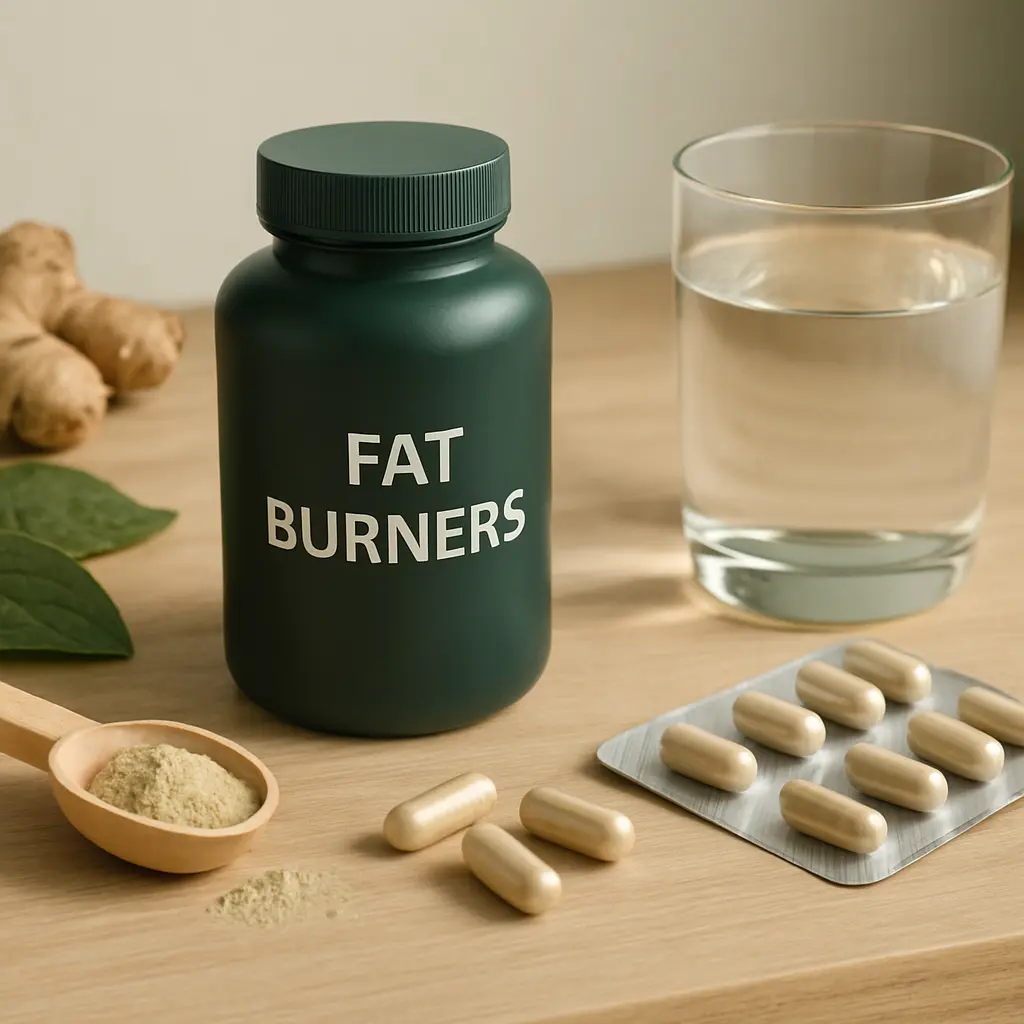
Exploring Fat Burners: A Comprehensive Guide to Their Role in Weight Loss
In this page
In the journey towards weight loss, achieving a caloric deficit is crucial, typically attained through a well-balanced diet and regular physical activity. Fat burners, often used as supplements, are marketed as tools that can potentially aid in enhancing metabolic processes, reducing hunger, and combating fatigue associated with calorie reduction. This article delves into the scientific basis and practical application of fat burners, exploring their mechanisms, popular ingredients, and safety considerations.

Scientific Background and General Context
Fat burners are a class of dietary supplements that purport to facilitate weight loss by targeting various physiological processes. Contrary to their name, these supplements do not exclusively promote the direct burning of fat. Instead, they may influence a range of metabolic pathways and hormonal signals that can contribute to weight management. Typically, the body achieves weight loss through caloric deficit, where energy expenditure exceeds calorie intake. Fat burners aim to assist this process by potentially increasing the body’s energy expenditure even at rest. Some ingredients in fat burners are believed to activate certain neurohormonal pathways that enhance thermogenesis, the production of heat in the body, thereby boosting energy expenditure.
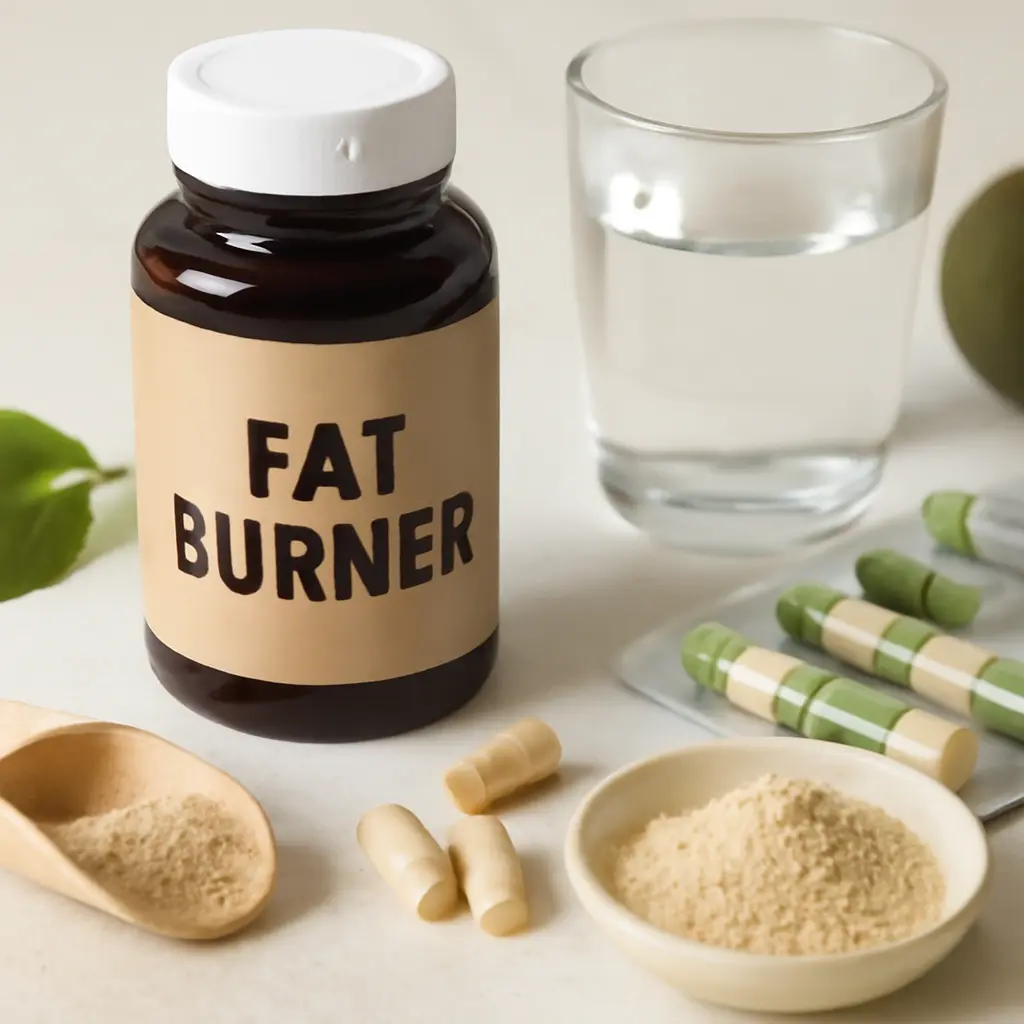
How Fat Burners Work
Fat Burners and Metabolism
The primary mechanism by which fat burners are believed to work is through metabolic enhancement. Ingredients like caffeine and green tea extract are known for their ability to slightly elevate the basal metabolic rate (BMR), which is the amount of energy expended while at rest. By increasing BMR, these supplements may facilitate weight loss by raising the total number of calories burned throughout the day.Furthermore, certain compounds in fat burners are thought to affect thermogenesis. For instance, capsaicin, the active component in chili peppers, has been shown to increase the rate at which the body burns calories by promoting heat production. This thermogenic effect can contribute to a modest increase in energy expenditure.
Fat Burners and Appetite Control
Another vital aspect of weight management is appetite control. Fat burners often incorporate ingredients that may influence the hormones and neurotransmitters involved in hunger and satiety. For example, certain compounds might increase levels of hormones like norepinephrine, which can decrease appetite.By modulating appetite, fat burners can help individuals adhere to calorie-restricted diets by reducing feelings of hunger, making it easier to maintain a caloric deficit without experiencing significant discomfort.
Fat Burners and Fatigue Mitigation
Caloric restriction often leads to feelings of fatigue and decreased energy levels, making it challenging to sustain an active lifestyle. Some fat burners aim to address this issue by including ingredients that may help alleviate mental and muscular fatigue. Enhancing energy levels can support individuals in maintaining a regular exercise routine, which is crucial for successful weight loss.Caffeine is a common ingredient that acts as a central nervous system stimulant. It not only boosts metabolic rate but also increases alertness and reduces perceived exertion during physical activities. This dual action can promote endurance and motivation in exercise regimens.
Criteria Indicating Health Risks Due to Obesity
Obesity is a significant health concern, often assessed using various criteria to determine associated risks:
| Criterion | Threshold Value | Notes |
|---|---|---|
| BMI (Body Mass Index) | ≥ 30 kg/m² | Basic indicator in diagnosing obesity. |
| Waist Circumference | > 35 inches (women), > 40 inches (men) | Assessment of abdominal obesity and metabolic risk. |
| WHR (Waist/Hip Ratio) | > 0.85 (women), > 0.90 (men) | Indicator of fat distribution. |
| WHtR (Waist/Height Ratio) | > 0.5 | Simple assessment with correlation to metabolic risk. |
| Body Fat Percentage | > 25% (men), > 35% (women) | Measured through methods like BIA or DEXA. |
Selected Ingredients in Fat Burners
The effectiveness of fat burner ingredients is frequently examined in placebo-controlled studies, with some showcasing significant impacts on body weight and metabolic health.
L-Carnitine
L-Carnitine is a compound often included in fat burners for its potential role in fat metabolism. Studies indicate that L-Carnitine supplementation can influence weight loss by transporting fatty acids into the mitochondria, where they can be oxidized for energy. Research involving individuals with type 2 diabetes has shown dose-dependent effects in reducing body mass index (BMI) and improving metabolic markers such as HbA1c and LDL cholesterol.
Capsaicin
Capsaicin, derived from spicy peppers, has been investigated for its thermogenic properties. It may aid weight loss by promoting thermogenesis and reducing appetite. Meta-analyses have demonstrated statistically significant reductions in BMI, body weight, and waist circumference with capsaicin supplementation, highlighting its potential as a weight loss aid.
Garcinia Cambogia
Garcinia Cambogia, known for its hydroxycitric acid content, has shown mixed results in weight loss studies. While some reviews have reported modest weight reduction, others have noted gastrointestinal discomfort among users. This variance underscores the importance of individual responses to supplementation.
Green Tea
Green tea extract is frequently included in fat burners for its catechins, particularly epigallocatechin gallate (EGCG), which may enhance fat oxidation and metabolic rate. Research indicates that green tea, especially when coupled with physical exercise, can consistently improve body composition metrics, such as reducing body fat percentage and BMI.
Green Coffee Extract
Rich in chlorogenic acids, green coffee extract has been associated with weight loss through its potential to influence glucose metabolism and fat absorption. Meta-analyses have noted significant weight reduction with supplementation, though the body of evidence remains limited.
Daily Use and Lifestyle Applications
Incorporating fat burners into a weight loss strategy should be approached with caution and awareness. While these supplements can offer support, they are not substitutes for a balanced diet and regular exercise. For those considering fat burners, it is crucial to:- Maintain a healthy, balanced diet that provides adequate nutrition and supports a caloric deficit.- Engage in regular physical activity to promote overall health and increase energy expenditure.- Monitor responses to supplementation and adjust intake as necessary, ideally under the guidance of healthcare professionals.
Balanced Perspective and Safety
The use of fat burners is subject to regulatory oversight in many countries to ensure consumer safety. In regions like the European Union, stringent regulations help prevent the availability of potentially harmful substances, promoting safer use of these supplements.Nevertheless, individuals should remain mindful of potential interactions with medications and pre-existing health conditions. Consulting with a healthcare provider before starting any supplement regimen is advisable to mitigate risks and ensure the suitability of fat burners for one’s health status.In conclusion, while fat burners can offer an additional tool in the weight loss toolkit, they are most effective when used in conjunction with a comprehensive lifestyle approach that prioritizes nutrition and physical activity.


