
Effective Home Workouts: A Comprehensive Guide to Starting Your Fitness Journey
In this page
Engaging in home workouts has become a popular choice for many individuals seeking to enhance their fitness levels and sculpt their bodies. This approach offers the flexibility to start exercising in a familiar environment, preparing the body for more intensive training in the future. This guide explores the benefits of home workouts, tips for getting started, the role of diet in body shaping, and sample workout plans tailored for different objectives. Additionally, we will discuss the importance of supplementation and what to keep in mind when exercising at home.

The Advantages of Exercising at Home
Working out at home offers several compelling advantages that cater to both beginners and seasoned fitness enthusiasts alike. One of the primary benefits is the significant time savings. You eliminate the need for commuting to a gym, which can be particularly advantageous for those with busy schedules. Additionally, exercising at home provides a level of privacy that can enhance your comfort and focus. You can choose your workout attire and environment, allowing complete control over your surroundings. This can be particularly appealing to introverts or those self-conscious about exercising in a public setting.
Furthermore, home workouts allow flexibility in scheduling. Without the constraints of gym hours or group class schedules, you can exercise at any time that suits you. This adaptability can lead to more consistent exercise habits, as you can fit workouts around your lifestyle rather than the other way around.
Getting Started with Home Workouts
Defining Your Fitness Goals
Before embarking on a home workout routine, it’s crucial to define your fitness goals. Whether you aim to improve cardiovascular endurance, build muscle mass, or simply enhance your overall physical fitness, having clear objectives will guide your choice of exercises and training plan. It’s important to note that focusing on one primary goal at a time, such as muscle building or fat reduction, can lead to more effective and satisfying results.
Gathering Equipment
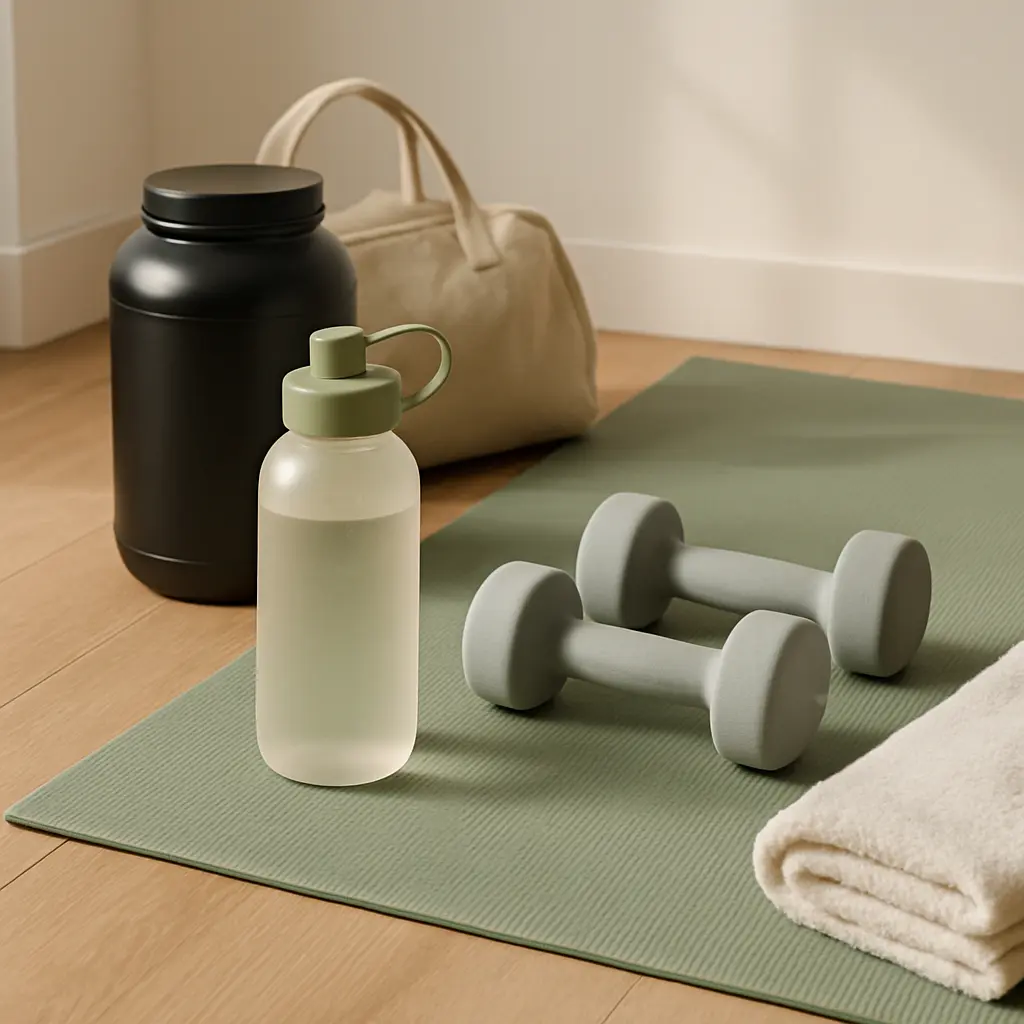
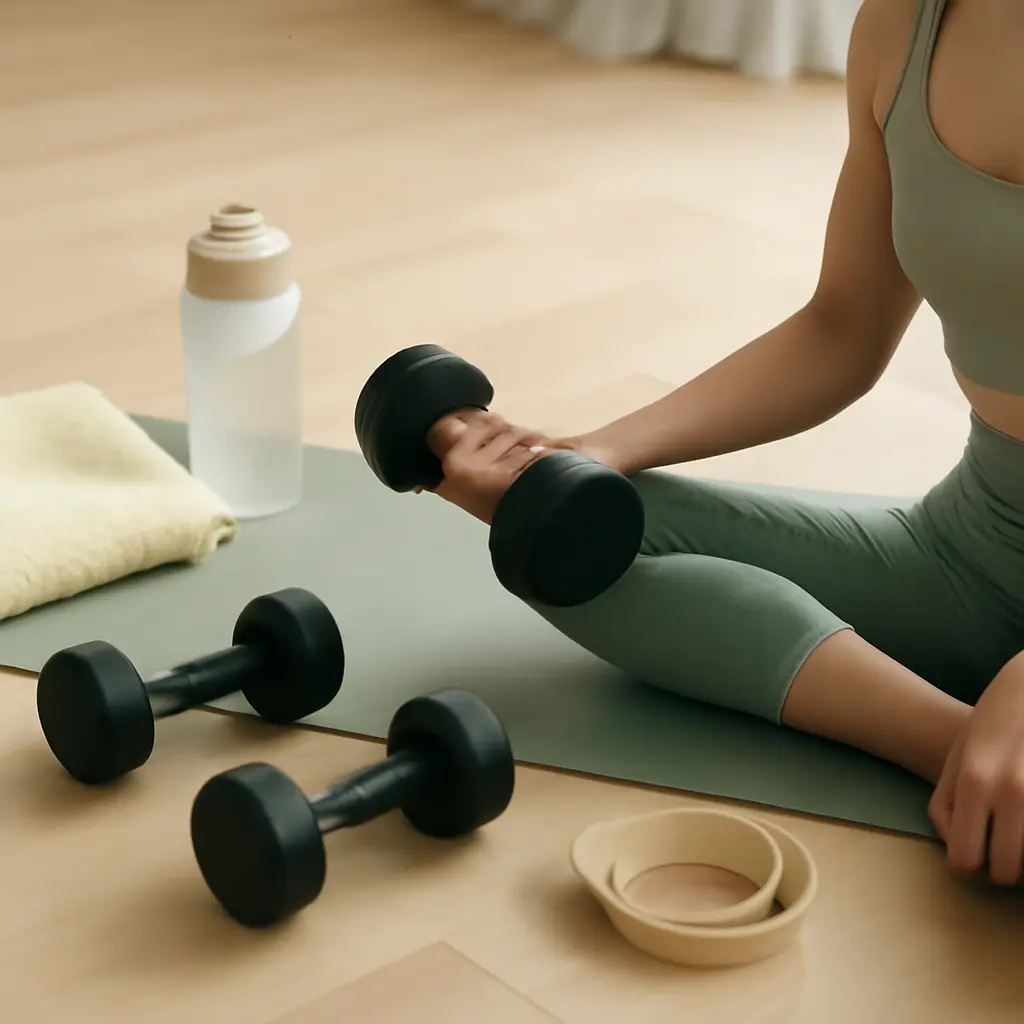
While bodyweight exercises can be highly effective, incorporating basic equipment can enrich your home workout experience. Versatile options like dumbbells or resistance bands can significantly expand the range of exercises available to you. A yoga mat is also a valuable addition, providing a comfortable surface for floor exercises and stretches.
Creating a Structured Plan
Once your goals and equipment are set, crafting a structured workout plan is essential. A well-rounded routine should include a variety of exercises targeting different muscle groups and prevent monotony. Integrating full-body workouts can ensure comprehensive physical development. It’s beneficial to alternate between different types of exercises, such as strength training and cardio, to maintain engagement and challenge your body in diverse ways.
The Importance of Warm-Up and Cool Down
Every workout session should begin with a warm-up and conclude with a cooldown period. Warming up increases blood flow to the muscles, reducing the risk of injury and preparing the body for more intense activity. Similarly, cooling down through stretching helps relax the muscles, aids recovery, and prevents stiffness and soreness.
The Role of Diet in Body Shaping
Nutrition plays a pivotal role in achieving any fitness goal, be it weight loss or muscle gain. For those aiming to reduce fat, creating a caloric deficit—where you consume fewer calories than you expend—is crucial. This approach encourages the body to utilize stored fat for energy. Conversely, building muscle mass requires a caloric surplus, providing the body with additional energy and nutrients necessary for muscle growth.
Balancing macronutrients—proteins, carbohydrates, and fats—according to your fitness objectives can optimize your results. Adequate protein intake is particularly important for muscle repair and growth, while carbohydrates supply the energy needed for workouts. Healthy fats also play a role in hormone regulation and overall health.
Sample Workout Plans for Women and Men
Workout Plan for Women
A well-rounded home workout plan for women might include a full-body routine performed three times a week. This could follow the Full Body Workout (FBW) principle, focusing on different muscle groups within a single session. Exercises such as lunges, Romanian deadlifts, push-ups, and planks can provide a balanced approach to strength training, promoting both muscular endurance and toning.
Workout Plan for Men
Similarly, a full-body workout approach can benefit men looking to build muscle mass. Implementing exercises like squats, bent-over rows, overhead presses, and deadlifts with dumbbells can offer substantial muscle stimulation. Adjusting the number of sets and repetitions based on your current fitness level ensures the routine is both challenging and manageable.
Daily Use and Lifestyle Applications
Integrating home workouts into your daily routine requires intentional planning and commitment. To maintain motivation, set realistic expectations and track your progress. Consider pairing workouts with enjoyable activities, like listening to music or podcasts, to make the sessions more engaging. Developing a consistent schedule, such as morning or evening workouts, can help establish long-lasting habits.
Home workouts also provide the opportunity to involve family members or housemates, turning exercise into a social activity. Group workouts can foster a supportive environment, making the experience more enjoyable and sustainable.
Balanced Perspective and Safety
While home workouts offer flexibility and convenience, it’s essential to approach them with safety in mind. Ensure you have enough space to perform exercises without obstruction, and pay attention to form to prevent injuries. If you’re unsure about a particular exercise, numerous online resources and video tutorials can provide guidance.
Moreover, listen to your body and recognize when it needs rest. Overtraining can lead to burnout and physical strain, hindering your progress. Balance your workout intensity with adequate rest days and recovery strategies, such as stretching and hydration.
Conclusion
Exercising at home is a feasible and effective way to achieve your fitness goals, offering numerous benefits in terms of convenience, privacy, and flexibility. By setting clear objectives, gathering essential equipment, and following a structured plan, you can enjoy a fulfilling home workout experience. Remember, success in fitness is a cumulative process that combines consistent effort, proper nutrition, and mindful recovery.


