Understanding the Uses and Functions of Isoleucine
In this page
Isoleucine is one of the nine essential amino acids crucial for human health, playing a vital role in various physiological functions. This article explores the biochemical significance of isoleucine, its health benefits, dietary sources, recommended intake, and potential side effects. By understanding how isoleucine contributes to bodily processes, individuals can better appreciate its importance in maintaining overall well-being and supporting an active lifestyle.
Introduction to Isoleucine
Isoleucine is an essential amino acid, meaning humans must obtain it through their diet as the body cannot synthesize it. It is one of the three branched-chain amino acids (BCAAs), along with leucine and valine, which are particularly important for muscle metabolism. Isoleucine is involved in various metabolic processes, contributing to energy production, muscle repair, and immune function. As a significant component of proteins, it plays a critical role in growth and overall health, especially in physically active individuals.
The Biochemical Role of Isoleucine in the Body
Protein Synthesis and Muscle Repair
Isoleucine is integral to protein synthesis, a crucial process for cellular repair and growth. It is particularly important for the maintenance of muscle tissue, as it helps repair and rebuild muscles after exercise. When muscles experience stress or damage from physical activity, isoleucine contributes to the formation of new proteins that replace or repair damaged ones, thereby promoting muscle recovery and growth. This function is especially vital for athletes and individuals engaging in regular physical training.
Energy Production and Endurance
Beyond muscle repair, isoleucine plays a role in energy production. It is involved in the glucose-alanine cycle, which assists in stabilizing blood sugar levels by promoting glucose uptake and utilization in muscles. This process is particularly beneficial during prolonged physical activity, where sustained energy is required. Isoleucine aids in the production of glucose, providing an energy source that helps delay fatigue and enhance endurance, making it valuable for both athletes and individuals who engage in high-intensity workouts.
Health Benefits of Isoleucine
Regulation of Blood Sugar Levels
Isoleucine contributes to the regulation of blood sugar levels, which is critical for metabolic health. It supports insulin function and glucose uptake into cells, helping maintain balanced blood sugar levels. This property is particularly important for individuals managing conditions like diabetes, as it can contribute to reducing blood sugar spikes and promoting stable energy levels throughout the day.
Supporting Immune Function
The immune system relies on a range of nutrients, including amino acids like isoleucine, to function optimally. Isoleucine aids in the production of immune cells and the synthesis of antibodies, which are key to defending the body against infections and diseases. By contributing to these processes, isoleucine plays a supportive role in maintaining a robust immune response, aiding in quicker recovery from illnesses and infections.
Dietary Sources of Isoleucine
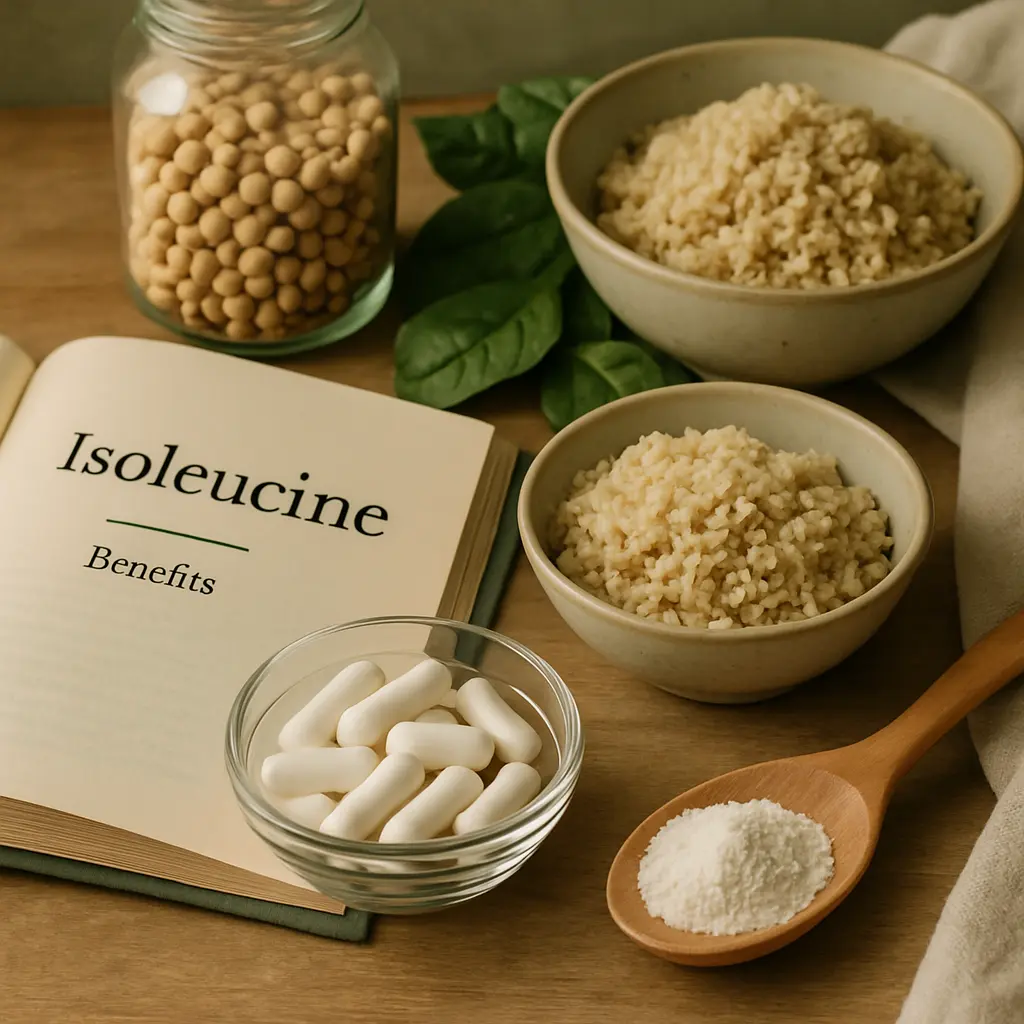
Isoleucine, like other essential amino acids, must be obtained from dietary sources. It is found in a variety of protein-rich foods, making it accessible for most individuals to achieve their daily requirements. Animal-based sources include meat, fish, poultry, eggs, and dairy products, which provide complete proteins containing all essential amino acids. Plant-based sources such as soy, legumes, lentils, nuts, seeds, and whole grains also provide isoleucine, though they may require combining with other foods to ensure a complete amino acid profile.
Recommended Isoleucine Intake and Supplementation
Daily Requirements
The daily requirement for isoleucine varies depending on age, gender, and activity level. On average, adults are recommended to consume around 19 milligrams per pound of body weight per day. This requirement is usually met through a balanced diet that includes diverse protein sources. Athletes and individuals with high physical demands might require higher intakes to support muscle recovery and energy needs.
Supplementation Advice
While a balanced diet typically provides sufficient isoleucine, supplementation may be beneficial for certain individuals, especially athletes or those on restrictive diets. BCAA supplements that include isoleucine are popular among those aiming to enhance muscle recovery and performance. It is advisable to consult with a healthcare provider or nutritionist before beginning supplementation, as excessive intake can lead to potential side effects.
Potential Side Effects and Precautions
While isoleucine is generally safe when consumed in food, excessive intake through supplements can lead to side effects. High doses may cause gastrointestinal distress, such as bloating or diarrhea. Individuals with certain medical conditions, such as maple syrup urine disease, which affects amino acid metabolism, should exercise caution and consult medical professionals before altering their amino acid intake. Additionally, balancing isoleucine intake with other BCAAs is important to avoid amino acid imbalances.
Conclusion: Embracing Isoleucine for Optimal Health
Isoleucine plays a crucial role in many bodily functions, including muscle repair, energy production, and immune support. Understanding its functions and maintaining adequate levels through diet can contribute to overall health and well-being. For most people, a balanced diet will suffice in meeting their isoleucine needs, but supplementation might be helpful for those with higher requirements. As with any nutrient, moderation and balance are key to maximizing benefits while minimizing potential risks. By embracing the benefits of isoleucine, individuals can support their health, particularly those leading active lifestyles.
References and Further Reading
This article is for informational purposes only and does not constitute medical advice. Always consult a registered dietitian or healthcare provider before starting any supplement regimen.