What Happens If You Get Too Much Cobalt
In this page
Cobalt is a trace mineral that plays a vital role in the human body, primarily as a component of vitamin B12. While it is essential for health, an excess of cobalt can lead to negative health effects. This article explores the sources of cobalt in our diet, the recommended daily intake, its health benefits, and the potential risks associated with excessive intake. We also discuss the symptoms of cobalt overdose, its long-term effects, and preventive measures to avoid toxicity.
Introduction to Cobalt and Its Role in the Body
Cobalt is an essential trace element that is a crucial component of vitamin B12, also known as cobalamin. Vitamin B12 plays a significant role in the formation of red blood cells, DNA synthesis, and the functioning of the nervous system. Without adequate cobalt, the body’s ability to produce vitamin B12 is impaired, leading to potential deficiencies.
In the body, cobalt is stored in small amounts primarily in the liver, kidneys, and bones. It is involved in various enzymatic processes that are critical for maintaining a healthy metabolism. However, like many essential nutrients, too much cobalt can be harmful, leading to toxicity and detrimental health effects.
Sources of Cobalt in Human Diet
Cobalt is naturally present in a variety of foods, particularly those rich in vitamin B12. Animal-based foods, such as meat, fish, eggs, and dairy products, are primary sources of cobalt due to their high vitamin B12 content. For individuals following a vegetarian or vegan diet, fortified foods and supplements are often necessary to meet their vitamin B12 and cobalt needs.
In addition to dietary sources, cobalt can be found in certain industrial environments. Workers in industries such as mining, metallurgy, and manufacturing may be exposed to cobalt through inhalation of dust or contact with cobalt-containing materials. This occupational exposure can contribute significantly to total cobalt intake beyond dietary sources.
Recommended Daily Intake of Cobalt
The recommended daily intake of cobalt is indirectly addressed through vitamin B12 requirements. For adults, the recommended dietary allowance (RDA) for vitamin B12 is 2.4 micrograms per day. This intake generally provides sufficient cobalt for maintaining health, as cobalt is consumed as part of the vitamin B12 molecule.
There is no specific RDA for cobalt itself, largely because it is not consumed as an isolated nutrient in the diet. Instead, ensuring adequate vitamin B12 intake, primarily from animal products or fortified foods, is the primary concern when addressing cobalt nutrition.
Health Benefits of Adequate Cobalt Intake
Adequate cobalt intake, through sufficient vitamin B12, delivers several health benefits. Vitamin B12 is essential for the production of red blood cells, preventing anemia, and supporting neurological health. It plays a pivotal role in DNA synthesis and helps maintain energy levels by converting carbohydrates into glucose.
Furthermore, cobalt, via vitamin B12, contributes to heart health by regulating homocysteine levels. High homocysteine levels are associated with an increased risk of cardiovascular diseases. Thus, maintaining adequate vitamin B12 levels can be beneficial in reducing this risk.
Symptoms and Signs of Cobalt Overdose
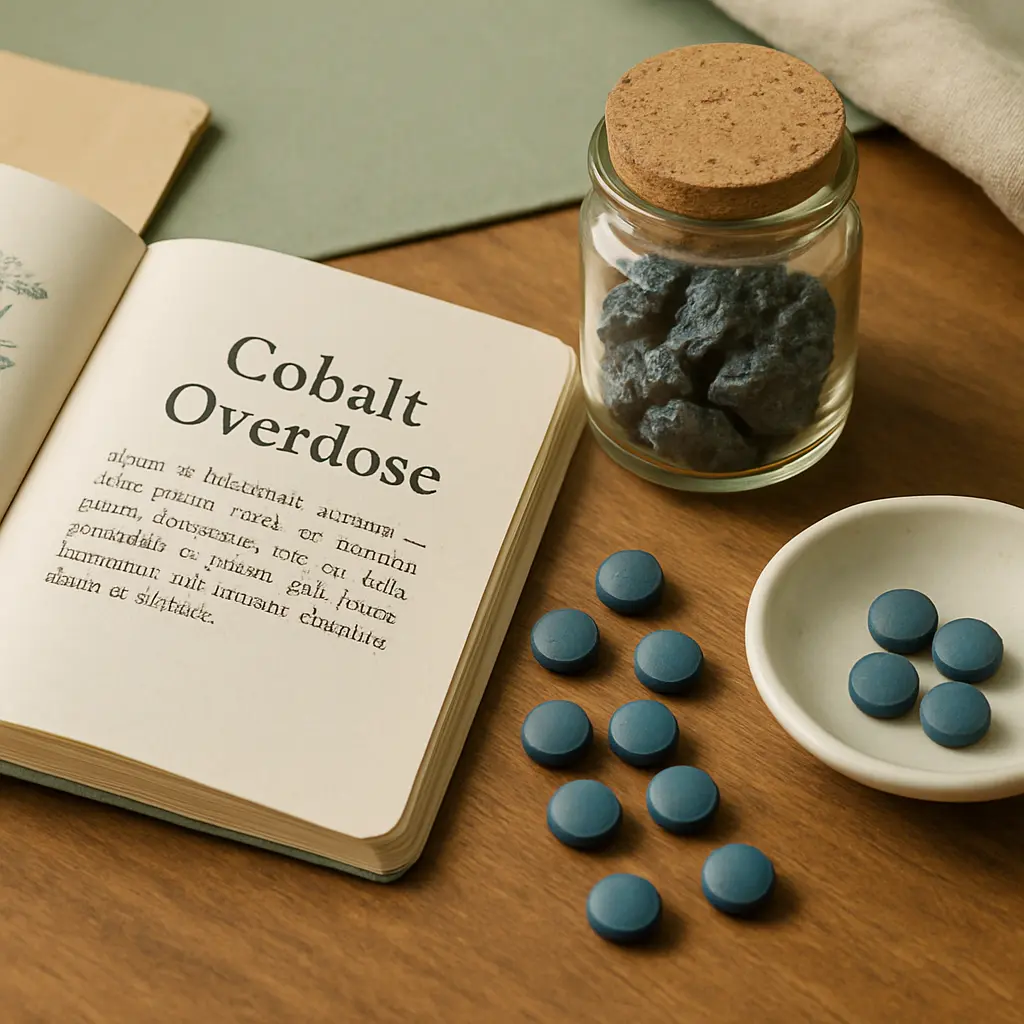
Excessive intake of cobalt, although rare through diet alone, can occur via supplementation or occupational exposure. Symptoms of cobalt overdose may include nausea, vomiting, diarrhea, and abdominal pain. In severe cases, signs of cobalt toxicity can manifest as cardiomyopathy, thyroid dysfunction, and neurological disturbances.
Long-term overexposure can lead to more serious health issues, highlighting the need for balance in cobalt consumption and awareness of potential sources of exposure.
Long-term Effects of Excessive Cobalt Intake
Chronic exposure to high levels of cobalt can have significant health implications. One of the more concerning effects is its impact on heart health. Prolonged elevated cobalt levels have been linked to cardiomyopathy, a condition that affects the heart muscle, leading to heart failure in severe cases.
Cobalt and Heart Health
While cobalt is essential for heart function, excessive amounts can have the opposite effect. High cobalt levels interfere with heart muscle function and can lead to enlargement and weakening of the heart muscle. This condition, known as cobalt-induced cardiomyopathy, is a rare but serious consequence of long-term cobalt exposure.
Additionally, excessive cobalt can disrupt the thyroid gland, leading to hypothyroidism, which can exacerbate cardiovascular issues by contributing to elevated cholesterol levels and increased risk of heart disease.
How to Prevent Cobalt Toxicity
Preventing cobalt toxicity involves maintaining a balanced diet and being mindful of occupational exposures. Individuals working in industries with potential cobalt exposure should use protective equipment and adhere to safety regulations to minimize contact with cobalt-containing materials.
For the general population, following dietary guidelines for vitamin B12 can help ensure adequate cobalt intake without the risk of toxicity. Being cautious with supplements, particularly those containing cobalt or vitamin B12, is also important to avoid surpassing recommended levels.
Consult a Healthcare Provider
Anyone concerned about cobalt exposure, particularly those with occupational risks or considering high-dose supplements, should consult a healthcare provider. Regular monitoring and professional guidance can help manage intake and prevent potential health issues related to cobalt.
Conclusion
Cobalt is an essential trace element vital for various bodily functions, primarily through its role in vitamin B12. While necessary in small amounts, excessive cobalt intake can lead to significant health problems. By understanding cobalt’s dietary sources, recommended intakes, and the risks associated with overexposure, individuals can make informed choices to maintain their health and prevent toxicity.
References and Further Reading
For those interested in learning more about cobalt and its nutritional implications, there are various scientific journals, health organization websites, and educational resources available. These can provide a deeper understanding of how to balance cobalt intake and its role in maintaining optimal health.
This article is for informational purposes only and does not constitute medical advice. Always consult a registered dietitian or healthcare provider before starting any supplement regimen.