What is Histidine?
In this page
Histidine is an essential amino acid that plays a crucial role in various physiological processes in the human body. As one of the building blocks of proteins, it contributes to the structure and function of numerous cellular systems. This article delves into the importance of histidine, its benefits, dietary sources, and the implications of deficiency or supplementation. By understanding histidine’s role in health, we can better appreciate its significance in our diet and overall well-being.
Introduction to Histidine
Histidine is classified as an essential amino acid, meaning that it cannot be synthesized by the human body and must be obtained through diet. It is integral to protein synthesis and is particularly abundant in hemoglobin, the protein responsible for transporting oxygen in the blood. Discovered in 1896, histidine is unique due to its ability to act both as a precursor for other biologically active compounds and as a constituent of proteins.
The Role of Histidine in the Body
Histidine plays several critical roles in maintaining health. It is a precursor to histamine, a vital compound involved in immune response, gastric acid secretion, and neurotransmission. In addition, histidine is crucial for the growth and repair of tissues, making it particularly important during periods of growth, illness, or recovery from injury.
Histidine also contributes to maintaining the pH balance in the body. Its buffering capacity helps stabilize the pH of blood and tissues, which is essential for normal cellular functions. Furthermore, histidine is involved in the production of carnosine, a dipeptide found in muscle and brain tissues that is associated with anti-aging properties and reduced muscle fatigue.
Benefits of Histidine
The benefits of adequate histidine intake are manifold. Firstly, its role in histamine production supports a healthy immune system, aiding in the defense against infections and allergies. Histidine’s contribution to tissue repair promotes recovery from injuries and supports muscle health, which is particularly beneficial for athletes and individuals undergoing physical rehabilitation.
Additionally, carnosine, derived from histidine, has antioxidant properties that help protect cells from oxidative stress. This effect is linked to reduced risk of chronic diseases, such as cardiovascular disease and neurodegenerative disorders. Moreover, histidine’s involvement in maintaining pH balance can have implications for metabolic health, potentially reducing the risk of conditions like metabolic acidosis.
Dietary Sources of Histidine
To ensure sufficient histidine intake, it is important to include a variety of protein-rich foods in your diet. Meat, poultry, fish, dairy products, and eggs are excellent animal-based sources of histidine. Plant-based sources include soy products, legumes, nuts, seeds, and whole grains. While histidine is more abundant in animal proteins, a well-planned vegetarian or vegan diet can still provide adequate amounts of this essential amino acid.
Recommended Daily Intake
The recommended daily intake of histidine varies depending on age, sex, and physiological status. The average adult requires about 14 mg per pound of body weight per day. For children, adolescents, pregnant or lactating women, and individuals with specific health conditions, the requirement may be higher. Consulting with a healthcare professional or nutritionist can help tailor dietary recommendations to individual needs.
Histidine Deficiency
Histidine deficiency is rare, primarily because it is widely available in protein-rich foods. However, certain populations, such as individuals with restrictive diets, malabsorption disorders, or metabolic conditions, may be at risk. Symptoms of deficiency can include fatigue, anemia, weakened immune response, and slowed growth in children. Chronic deficiency may contribute to more severe health issues, underscoring the importance of maintaining adequate dietary intake.
Histidine Supplements
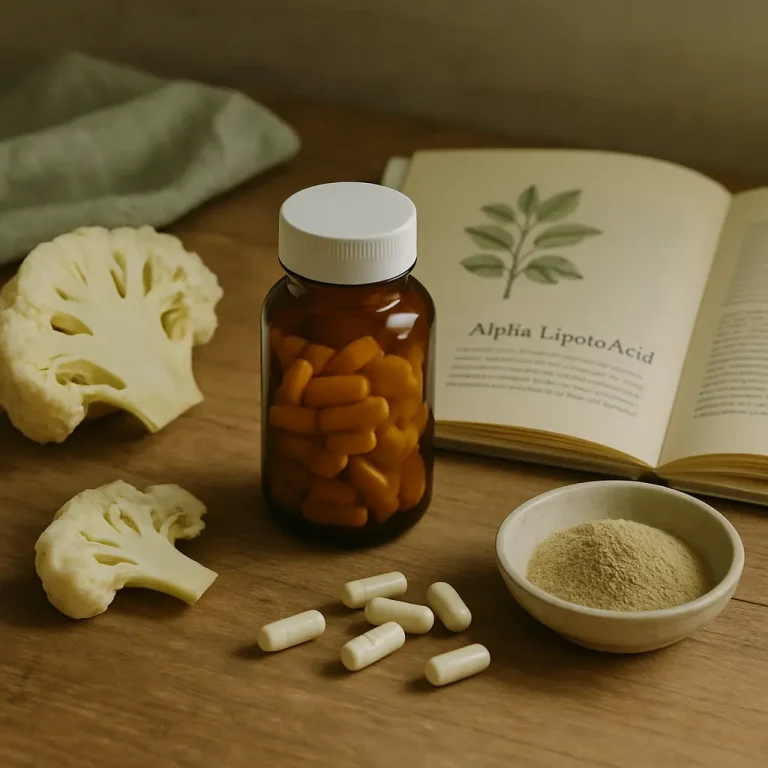
In some cases, supplementation may be recommended to address or prevent deficiency, particularly for individuals with increased needs or specific health concerns. Histidine supplements are available in various forms, including tablets, capsules, and powders. It is important to note that supplementation should not replace a balanced diet and should be approached cautiously, ideally under the guidance of a healthcare provider.
Choosing the Right Supplement
When selecting a histidine supplement, several factors should be considered. Look for products that have been tested for purity and potency by third-party organizations to ensure quality. Additionally, consider the form of the supplement, as some individuals may have preferences or tolerances for certain delivery methods. Finally, be mindful of the dosage, ensuring it aligns with individual needs and health goals.
Conclusion
Histidine is a vital component of human health, contributing to immune function, tissue repair, and overall cellular balance. While most individuals can obtain adequate histidine through a varied and balanced diet, awareness of its sources and functions is crucial, particularly for those with elevated needs or dietary restrictions. By prioritizing histidine-rich foods and, when necessary, considering supplementation, individuals can support their health and well-being effectively.
Frequently Asked Questions about Histidine
Is histidine safe for everyone?
For most people, consuming histidine through dietary sources is safe and beneficial. However, those considering supplements should consult with a healthcare provider, especially if they have underlying health conditions or are taking other medications.
Can I get enough histidine from a plant-based diet?
Yes, with careful planning, a plant-based diet can provide sufficient histidine. Emphasizing foods like legumes, nuts, seeds, and whole grains can help meet daily requirements.
What happens if I consume too much histidine?
Excessive histidine intake is uncommon but can lead to imbalances in amino acid levels. It is advisable to adhere to recommended intake guidelines and consult a healthcare provider if considering high-dose supplements.
This article is for informational purposes only and does not constitute medical advice. Always consult a registered dietitian or healthcare provider before starting any supplement regimen.