

The Science and Benefits of Creatine: A Comprehensive Guide
In this page
Creatine is a well-known amino acid that significantly contributes to muscle growth and energy production. Widely used in sports supplementation, creatine has gained popularity due to its effectiveness and affordability. This article explores the scientific mechanisms behind creatine’s action, examines the various forms available, discusses recommended usage strategies, and debunks common myths. Through a balanced perspective, we will explore how creatine can be safely integrated into a healthy lifestyle.

Scientific Background and General Context
Creatine is a naturally occurring compound found primarily in muscle cells. It assists in the production of adenosine triphosphate (ATP), the energy currency of the cell, which is crucial for high-intensity exercise. Around 95% of the body’s creatine is stored in muscles, and it is synthesized from the amino acids glycine, arginine, and methionine.The primary role of creatine in sports nutrition is to enhance physical performance by increasing the availability of phosphocreatine in muscles. This allows for rapid ATP resynthesis during short bursts of intense physical activity, such as weightlifting or sprinting. As a result, athletes can experience improved strength, increased muscle mass, and enhanced exercise recovery.
Mechanism of Action on the Human Body
Creatine’s effectiveness is largely due to its ability to enhance phosphocreatine stores in muscle tissue. This compound acts as a reserve of high-energy phosphates, which is essential for regenerating ATP, especially during intense exercise. By boosting phosphocreatine stores, muscles can sustain energy output for longer periods, allowing for improved performance and faster recovery times.Moreover, creatine supports anabolic processes by facilitating increased glycogen storage and water retention in muscle cells. This results in a phenomenon known as sarcoplasmic hypertrophy, where muscles appear fuller and more pumped during workouts. Enhanced glycogen stores not only improve muscle endurance but also contribute to post-exercise recovery by restoring energy levels more efficiently.Creatine supplementation is often associated with an increase in muscle cross-sectional area and fiber diameter, supporting long-term muscle growth and strength gains. However, these benefits are most pronounced in activities involving short, explosive movements rather than endurance sports.
Forms of Creatine: Exploring the Options
With nearly 20 different forms of creatine available on the market, choosing the right one can be daunting. Creatine monohydrate remains the most researched and popular form, known for its efficacy and cost-effectiveness. Other forms, such as creatine ethyl ester and creatine hydrochloride, claim to offer improved absorption and reduced water retention, although scientific evidence supporting these claims is limited.Different forms of creatine may be combined with other molecules to enhance bioavailability. However, the fundamental benefits remain largely consistent across different formulations. When selecting a creatine supplement, factors such as personal goals, budget, and ease of consumption should be considered.
Daily Use and Lifestyle Applications
The use of creatine is not restricted to athletes alone; it can be beneficial for anyone engaging in regular physical activity. Incorporating creatine into a daily routine can enhance exercise performance and support general fitness goals. For non-athletes, creatine may also play a role in supporting cognitive function and maintaining muscle mass during aging.For optimal results, creatine is commonly taken in a loading phase followed by a maintenance phase. The loading phase involves consuming 20 grams per day, split into several doses, for about 5–7 days. This is followed by a maintenance phase of 3–5 grams per day.Creatine can be taken with or without food, though pairing it with carbohydrates may enhance absorption. It is often combined with other supplements, such as beta-alanine, to maximize performance benefits. Beta-alanine increases muscle carnosine levels, further improving exercise capacity and reducing muscle fatigue.
Balanced Perspective and Safety
Creatine is one of the most extensively studied supplements and is generally considered safe when used in recommended dosages. However, it is essential to stay hydrated while using creatine, as it increases water retention in muscle cells. Potential side effects are minimal but may include gastrointestinal discomfort, especially if high doses are consumed at once.Common myths about creatine include concerns about kidney and liver damage, dehydration, and muscle cramps. However, research consistently shows that creatine does not cause harm to healthy individuals when taken responsibly. It is advisable to consult with a healthcare professional before beginning any new supplement regimen, particularly if underlying health conditions exist.
Debunking Common Myths
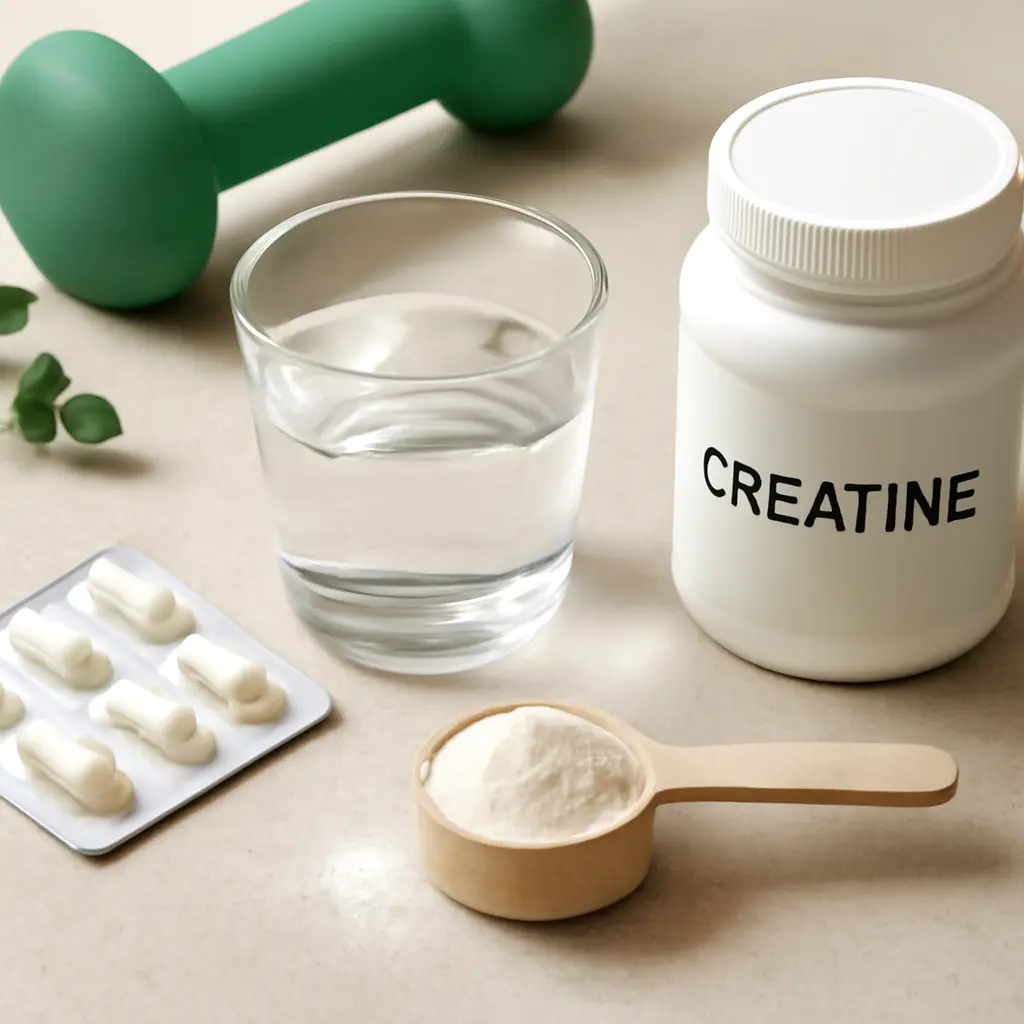
Despite creatine’s proven benefits, several misconceptions persist. Many believe that caffeine negates creatine’s effects, though current research indicates no significant adverse interaction. Similarly, fears of excessive water retention and bloating are largely unfounded when creatine is used appropriately.Another prevalent myth is that creatine should not be used during weight loss phases. On the contrary, creatine can help maintain muscle mass while dieting, thereby supporting a more efficient metabolic rate.Creatine’s efficacy is sometimes questioned based on the form in which it is consumed—whether as powder, capsules, or tablets. The choice of format primarily affects convenience and preference, as the absorption rate and effectiveness remain comparable.
Conclusion
Creatine is a reliable and scientifically backed supplement that offers a host of benefits for enhancing athletic performance and supporting overall health. Its role in muscle energy metabolism and growth makes it a valuable addition to the routines of athletes and fitness enthusiasts alike. While myths and misconceptions about creatine persist, evidence consistently supports its safety and efficacy when used as directed. By understanding its mechanisms and applications, individuals can make informed decisions about integrating creatine into their lifestyle for optimal health and performance outcomes.


