

Ashwagandha: A Natural Path to Stress Relief and Wellness
In this page
Ashwagandha, a revered herb in traditional Indian medicine, has gained significant attention for its potential to combat stress and promote overall wellness. Known scientifically as Withania somnifera, this plant is classified as an adaptogen, meaning it helps the body resist physical and mental stress. In this article, we explore the origins and properties of ashwagandha, its role in stress management and depression, and how it can be integrated into a modern lifestyle for enhanced health and well-being.

Scientific Background and General Context
Ashwagandha has a rich history as a staple of Ayurvedic medicine, a holistic healing system developed thousands of years ago in India. This herb belongs to the Solanaceae family, which includes other familiar plants like potatoes and tomatoes. Its name, derived from Sanskrit, means “smell of a horse,” a reference to the strength and vitality it is believed to impart.The primary active compounds in ashwagandha are known as withanolides. These naturally occurring steroids are thought to contribute significantly to the herb’s adaptogenic properties. Adaptogens like ashwagandha are unique in their ability to support the body’s stress response systems, enhancing resilience to stressors and potentially improving mental clarity and energy levels.
The Health Benefits of Ashwagandha
Stress Reduction and Improved Mental Health
Modern research increasingly supports the traditional use of ashwagandha for stress management. Studies suggest that it can lower levels of cortisol, the body’s primary stress hormone, thereby reducing stress-related symptoms. Additionally, ashwagandha may enhance the function of GABA (gamma-aminobutyric acid) receptors in the brain, which play a crucial role in regulating mood and anxiety.
Enhancing Physical Performance
Ashwagandha is also reputed for its potential to boost physical performance. Some evidence indicates that it can improve muscle strength and recovery, making it a favorable supplement for athletes seeking natural performance enhancements. These effects are likely due to its ability to increase oxygen consumption during physical activity, enhancing endurance and reducing fatigue.
Supporting Immune Function
Another significant benefit ascribed to ashwagandha is its ability to strengthen the immune system. The herb’s antioxidant properties help combat free radicals, reducing oxidative stress and potentially lowering the risk of chronic diseases. This immune support can be particularly beneficial in maintaining health during periods of increased stress or seasonal changes.
Daily Use and Lifestyle Applications
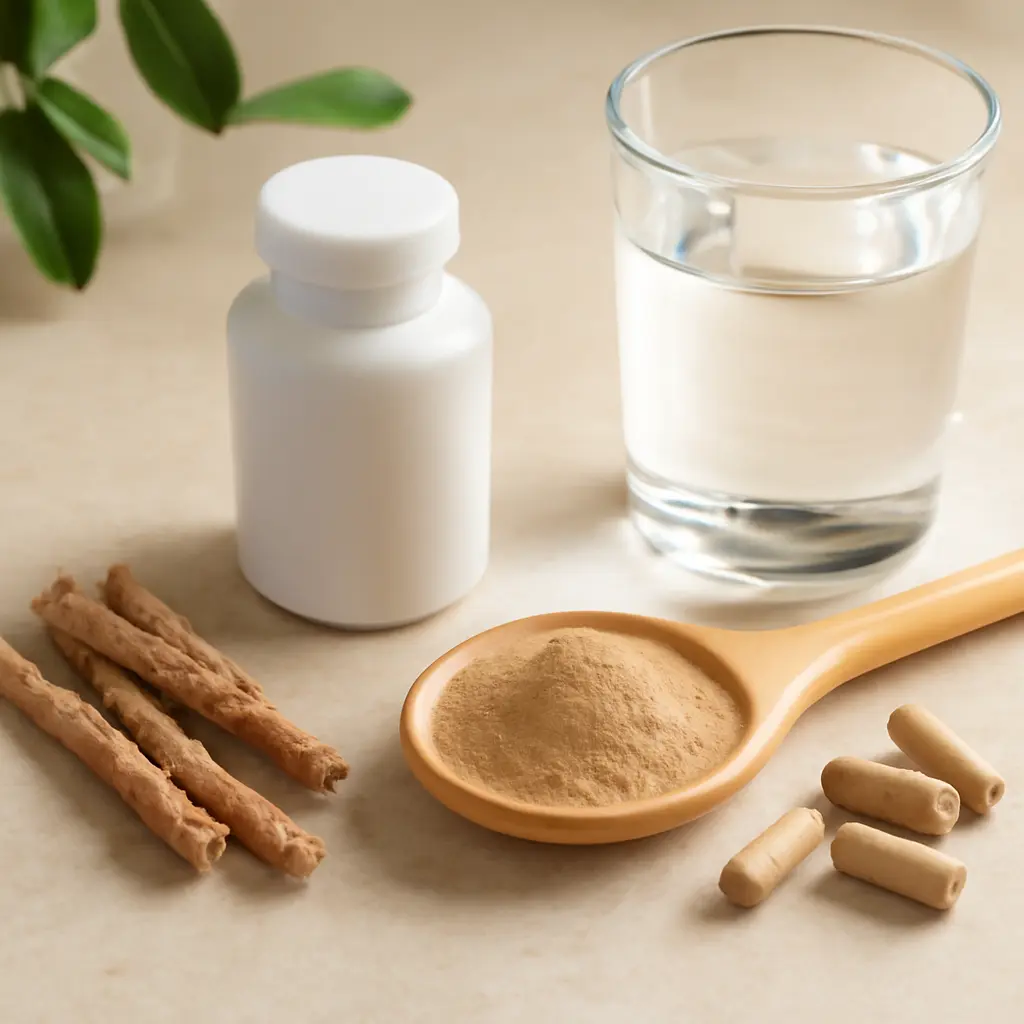
Incorporating ashwagandha into daily life can be straightforward, thanks to its availability in various forms, including powders, capsules, and teas. When selecting a supplement, it’s essential to consider the concentration of withanolides, as these compounds are primarily responsible for the herb’s beneficial effects.To maximize its benefits, ashwagandha should be taken consistently. Many people find it most effective to consume it in the morning or early afternoon to support daily energy levels and stress management. However, those seeking to enhance sleep quality may prefer to take it in the evening.In addition to dietary supplementation, incorporating other stress-reducing practices such as regular physical activity, meditation, and a balanced diet rich in fruits and vegetables can further enhance the benefits of ashwagandha.
Balanced Perspective and Safety
While ashwagandha is generally considered safe for most people, it is not without potential side effects. Some individuals may experience gastrointestinal upset, drowsiness, or headaches. It’s also important to note that ashwagandha can interact with certain medications, such as thyroid hormones or immunosuppressants, so it is always advisable to consult a healthcare provider before beginning supplementation, especially for those with pre-existing health conditions or pregnant and nursing women.As with any supplement, dosage is key to safety and effectiveness. The typical recommended dose of ashwagandha extract ranges from 250 to 600 mg per day of a standardized extract containing between 1.5% to 5% withanolides.
Conclusion
Ashwagandha offers a promising natural approach to managing stress and enhancing overall health. Its adaptogenic properties, rooted in ancient Ayurvedic practices and confirmed by modern science, make it a valuable addition to a comprehensive wellness strategy. By supporting both mental and physical health, ashwagandha can help individuals navigate the challenges of modern life with greater resilience and vitality. However, as with any health supplement, it is crucial to approach its use thoughtfully, considering individual health needs and consulting with healthcare professionals as necessary.


