
Forskolin: A Natural Aid in Weight Management
In this page
In the quest for weight management, many turn to natural supplements as an adjunct to diet and exercise. One such supplement garnering attention is forskolin, an active compound derived from the Indian coleus plant. This article will explore what forskolin is, its potential effects on weight loss, and how it can be safely integrated into a daily routine.

Scientific Background and General Context
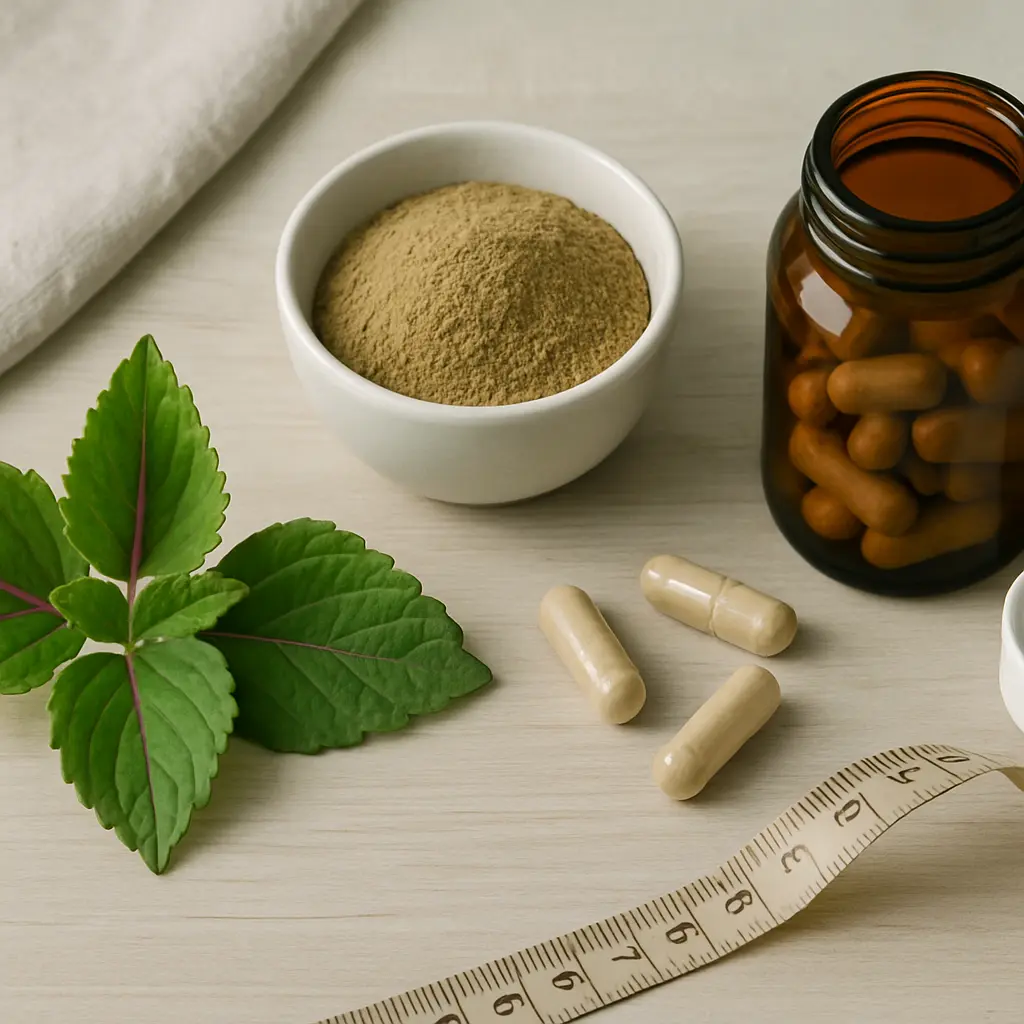
Forskolin is extracted from the roots of Coleus forskohlii, a plant native to India and regarded highly in traditional Ayurvedic medicine. The plant belongs to the mint family and has been used historically for various ailments, including heart disease, respiratory disorders, and digestive issues. Modern science, however, has begun to explore its role in metabolic processes and weight management.The compound was first isolated in 1974 and has since been used in laboratory research to activate an enzyme called adenylate cyclase. This enzyme plays a crucial role in the signaling pathways of cells, influencing a number of physiological processes such as inflammation, muscle contractions, and, notably, metabolism.
How Forskolin Influences Weight Management
Forskolin’s potential in weight management is attributed to its ability to increase levels of cyclic adenosine monophosphate (cAMP) within cells. Elevated cAMP triggers a cascade of events that influence fat metabolism. It enhances the body’s ability to break down stored fats, a process known as lipolysis, while also potentially influencing other facets of weight regulation, including appetite control and energy expenditure.While forskolin’s mechanism seems promising, it’s crucial to consider its effects within the broader context of weight management. Clinical studies examining forskolin’s efficacy have yielded mixed results. Some research suggests that forskolin supplementation may help reduce body fat percentage and increase lean body mass, while others indicate minimal impact. These discrepancies underline the need for further research to better understand its role and effectiveness.
Daily Use and Lifestyle Applications
Incorporating forskolin into a weight management regimen should be approached thoughtfully. It is typically administered in doses ranging from 60 to 100 mg per day, derived from 300 to 500 mg of Coleus forskohlii extract. This dosage is often divided into two servings to be taken throughout the day.Forskolin is sometimes used alongside other natural compounds known for their metabolic benefits, such as epigallocatechin gallate (EGCG) from green tea and capsaicin from chili peppers. These combinations may enhance overall metabolic rate and support weight management efforts.For optimal results, forskolin should be considered an adjunct to, not a replacement for, a balanced diet and regular physical activity. It may be particularly beneficial at later stages of a weight loss journey, where progress may stagnate due to metabolic adaptation.
Balanced Perspective and Safety
As with any supplement, it’s important to approach forskolin with a balanced perspective. While it offers potential benefits, it is not without limitations. The variability in individual responses and the mixed findings from clinical trials highlight the complexity of weight management and the role supplements play.Safety is another crucial consideration. Forskolin is generally regarded as safe for most people when used in appropriate doses. However, it may not be suitable for everyone. Individuals with underlying health conditions such as heart disease, low blood pressure, or those on certain medications, should consult with a healthcare provider before starting forskolin. Additionally, pregnant or nursing women should avoid forskolin due to insufficient safety data. Side effects, although rare, can include digestive issues, hypotension, and tachycardia. Monitoring for adverse reactions is important, especially when initiating supplementation.
Conclusion
Forskolin presents a fascinating case in the realm of natural weight management aids, with its roots in ancient medicine and a growing body of modern research. While it offers potential benefits in supporting weight loss efforts, it should be used as part of a comprehensive approach that includes a healthy diet, exercise, and lifestyle modifications. As always, consulting with a healthcare professional before beginning any new supplement regimen is advisable to ensure it aligns with individual health needs and goals.


