
Exploring Creatine: Usage, Benefits, and Safety
In this page
Creatine is a popular supplement, especially among athletes and fitness enthusiasts, known for its ability to enhance muscle mass and improve exercise performance. In this article, we will delve into the reasons behind the cyclical and steady use of creatine, how it works in the body, its safety profile, and practical applications for both athletes and casual gym-goers. We will also examine scientific studies to provide a balanced perspective on creatine supplementation.

Scientific Background and General Context
Creatine is a compound found naturally in muscle cells, aiding in the production of energy during high-intensity exercise or heavy lifting. On average, the human body stores approximately 120-140 grams of creatine as phosphocreatine, mostly in the muscles. While foods like red meat and fish contain creatine, supplementation can increase these stores, enhancing the body’s energy capacity.The discovery of creatine dates back to the 1830s, but it wasn’t until the late 20th century that it gained popularity as a supplement. Its initial use among athletes was driven by the desire for rapid gains in strength and muscle mass, which led to the development of various supplementation strategies, including loading phases and maintenance phases.
Methods of Creatine Supplementation
The Cyclical Approach
Originally, creatine supplementation was recommended in cycles, consisting of different phases to maximize its benefits:
- Loading Phase: Typically involves taking 20-25 grams of creatine daily for 5 to 14 days. The goal is to saturate muscle creatine stores quickly, leading to rapid improvements in strength and muscle hypertrophy.
- Maintenance Phase: Following the loading phase, a daily intake of 3-5 grams is recommended to maintain elevated creatine levels. This phase generally lasts 4 to 8 weeks.
- Washout Phase: This involves discontinuing creatine for 7 to 20 days, allowing the body to return to baseline creatine levels. It aims to reset the body’s response to creatine, making future loading phases more effective.
Continuous Supplementation
As knowledge about creatine grew and its accessibility improved, continuous supplementation became a viable option. This method involves taking a consistent daily dose of 3-5 grams without any loading or washout phases. Continuous supplementation is thought to maintain steady muscle creatine levels, providing ongoing benefits without the need for cycling.
Understanding Creatine’s Effects
Do We Need to “Feel” Creatine?
One common belief is that the effectiveness of creatine is tied to a palpable sense of increased strength or muscle volume. However, creatine’s benefits do not require dramatic sensations. Whether through a rapid loading phase or a gradual increase via steady supplementation, creatine will function optimally when muscle stores are saturated.Although loading phases may produce quicker, noticeable changes, the absence of such sensations in continuous supplementation does not imply ineffectiveness. As long as creatine levels are maximized, the body experiences enhanced energy production, supporting sustained muscle growth and strength improvements.
Choosing the Right Method
Deciding between cyclical and continuous supplementation depends on individual goals and lifestyle:
- Cyclical Supplementation: May be suitable for those seeking rapid improvements before competitions or during specific training cycles.
- Continuous Supplementation: Better suited for individuals aiming for gradual, consistent gains, whether for general health, fitness, or recreational bodybuilding.
Ultimately, the choice is personal and should align with one’s training objectives and lifestyle preferences.
Balanced Perspective and Safety
Safety of Creatine Supplementation
Creatine is one of the most researched dietary supplements, with numerous studies demonstrating its safety and efficacy. Here, we highlight a couple of significant studies:
| Study | Participants | Creatine Dosage | Duration | Findings |
|---|---|---|---|---|
| Study 1 | 175 middle-aged individuals (average age 57.7 years) | 10 grams daily | 310 days | No significant difference in side effects between the creatine and placebo groups. |
| Study 2 | 60 patients with Parkinson’s disease (40 on creatine, 20 on placebo) | 4 grams daily | 2 years | Creatine was well-tolerated, with minimal gastrointestinal issues reported. |
These studies underscore that creatine is generally safe for long-term use, even among older adults or those with specific health conditions. While some individuals may experience minor digestive discomfort, creatine hydrochloride (HCL) offers a more stomach-friendly alternative.
Daily Use and Lifestyle Applications
For athletes and fitness enthusiasts, creatine offers a practical supplement to support various training goals. Here are some considerations for its daily use:
Integrating Creatine into Your Routine
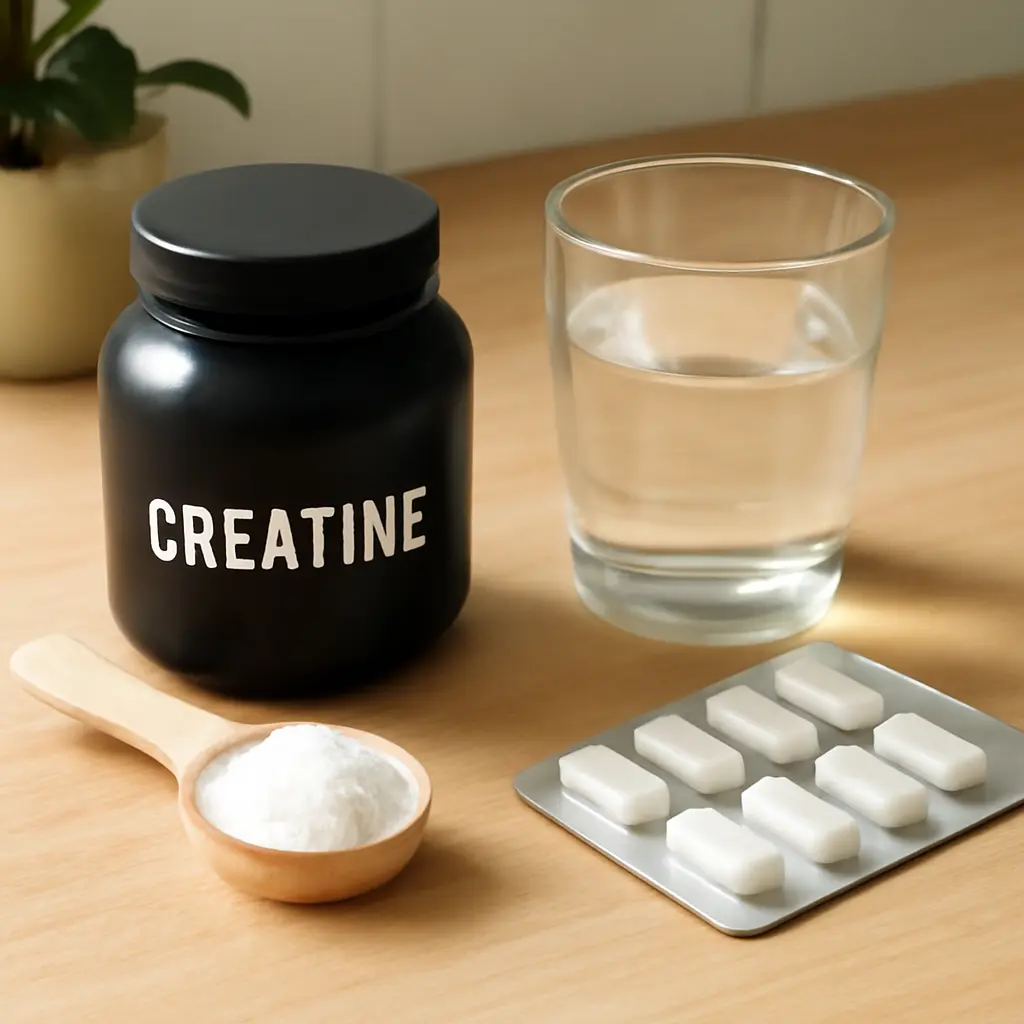
Creatine can be conveniently incorporated into daily routines by mixing it with water or other non-caffeinated beverages. It’s typically recommended to take creatine post-workout or with meals to optimize absorption. However, timing is less critical than consistency in daily intake.
Potential Benefits Beyond Performance
Besides enhancing physical performance, creatine may offer additional health benefits, including improved cognitive function and reduced fatigue. While more research is needed to confirm these effects, creatine’s role in energy metabolism suggests potential benefits beyond muscle growth.
Conclusion
Creatine remains a staple supplement for those seeking to enhance exercise performance and muscle development. Whether opting for cyclical or continuous supplementation, the key is to maintain adequate creatine levels in the body. With its established safety profile and potential benefits, creatine offers a valuable tool for athletes and fitness enthusiasts alike, supporting goals ranging from competitive sports to general health and well-being.


