The Comprehensive Guide to BCAAs: Benefits and Applications
In this page
Branched-Chain Amino Acids (BCAAs) have garnered attention in the realm of sports nutrition and wellness for their potential benefits in muscle health, exercise performance, and more. Comprised of three essential amino acids—leucine, isoleucine, and valine—BCAAs have become popular among athletes and fitness enthusiasts. This article explores the various roles that BCAAs play in the body, their potential benefits and applications in daily life, and what the scientific community says about their use.

Scientific Background and General Context
Amino acids are organic compounds that form the building blocks of proteins. The human body requires 20 different amino acids to function properly, nine of which are classified as essential, meaning they must be obtained through diet. BCAAs—leucine, isoleucine, and valine—are among these essential amino acids and are unique in their structure, which allows them to be metabolized directly in the muscles rather than the liver. This unique pathway contributes to their role in muscle metabolism and energy production during physical activity.
The importance of BCAAs extends beyond their structural role in proteins. They are actively involved in various metabolic processes, including protein synthesis and energy production. As components of skeletal muscle proteins, BCAAs are critical in maintaining muscle mass and function, especially during periods of physical stress or recovery.

Key Benefits of BCAAs
Enhancing Exercise Performance and Reducing Fatigue
One of the most notable benefits of BCAAs is their potential to enhance exercise performance and reduce fatigue during prolonged physical activity. BCAAs can help delay the onset of central fatigue, which occurs when the brain perceives exhaustion and signals the body to slow down. Studies have shown that BCAA supplementation can improve endurance, allowing for more repetitions during resistance training and potentially enhancing overall workout performance.
Supporting Muscle Protein Synthesis
Leucine, one of the BCAAs, plays a pivotal role in stimulating muscle protein synthesis, the process by which cells build new proteins. This activity is essential for muscle growth and repair, making BCAAs particularly valuable for athletes looking to increase muscle mass or recover from intense exercise. Additionally, BCAAs can help reduce muscle breakdown, which is crucial during periods of calorie restriction or intense training.
Liver Health and Disease Prevention
Emerging research suggests that BCAAs may support liver health by inhibiting the proliferation of liver cancer cells and assisting in the management of liver diseases. The liver plays a key role in metabolizing BCAAs, allowing it to utilize these amino acids effectively. These properties highlight the potential of BCAAs as part of dietary strategies for maintaining liver health.
Performance in Hot Conditions
Exercising in hot climates poses unique challenges, such as increased physical and mental fatigue. BCAAs have been shown to mitigate these effects by reducing the buildup of lactic acid in muscles, which is a contributor to fatigue. As a result, they may enhance performance and endurance during exercise in high-temperature environments, making them advantageous for athletes training or competing in such conditions.
Boosting Testosterone Levels
Testosterone is a vital hormone for muscle growth and overall physical performance. Research indicates that combining BCAA supplementation with resistance training can elevate testosterone levels, potentially leading to improved muscle strength and mass. This effect can be beneficial for individuals looking to enhance their workout results.
Fat Reduction and Weight Management
BCAAs may assist in weight management by promoting fat loss while preserving lean muscle mass. Studies involving individuals on calorie-restricted diets have demonstrated that BCAAs can aid in shedding body fat more effectively compared to non-supplemented diets. This quality makes BCAAs an appealing option for those seeking to lose weight while maintaining muscle integrity.
Improving Quality of Life for Older Adults
Age-related muscle loss, or sarcopenia, can significantly impact the quality of life in older adults. BCAAs, through their role in muscle protein synthesis, can help counteract muscle deterioration in aging populations. Regular supplementation may support the maintenance of muscle mass and strength, contributing to better overall health and mobility in seniors.
Reducing Muscle Soreness Post-Exercise
Delayed onset muscle soreness (DOMS) is a common experience after intense exercise, often hindering subsequent training sessions. BCAAs have been found to alleviate muscle soreness by supporting muscle repair processes, thus speeding up recovery time. This benefit can be particularly valuable for athletes and fitness enthusiasts who engage in regular strenuous workouts.
Daily Use and Lifestyle Applications
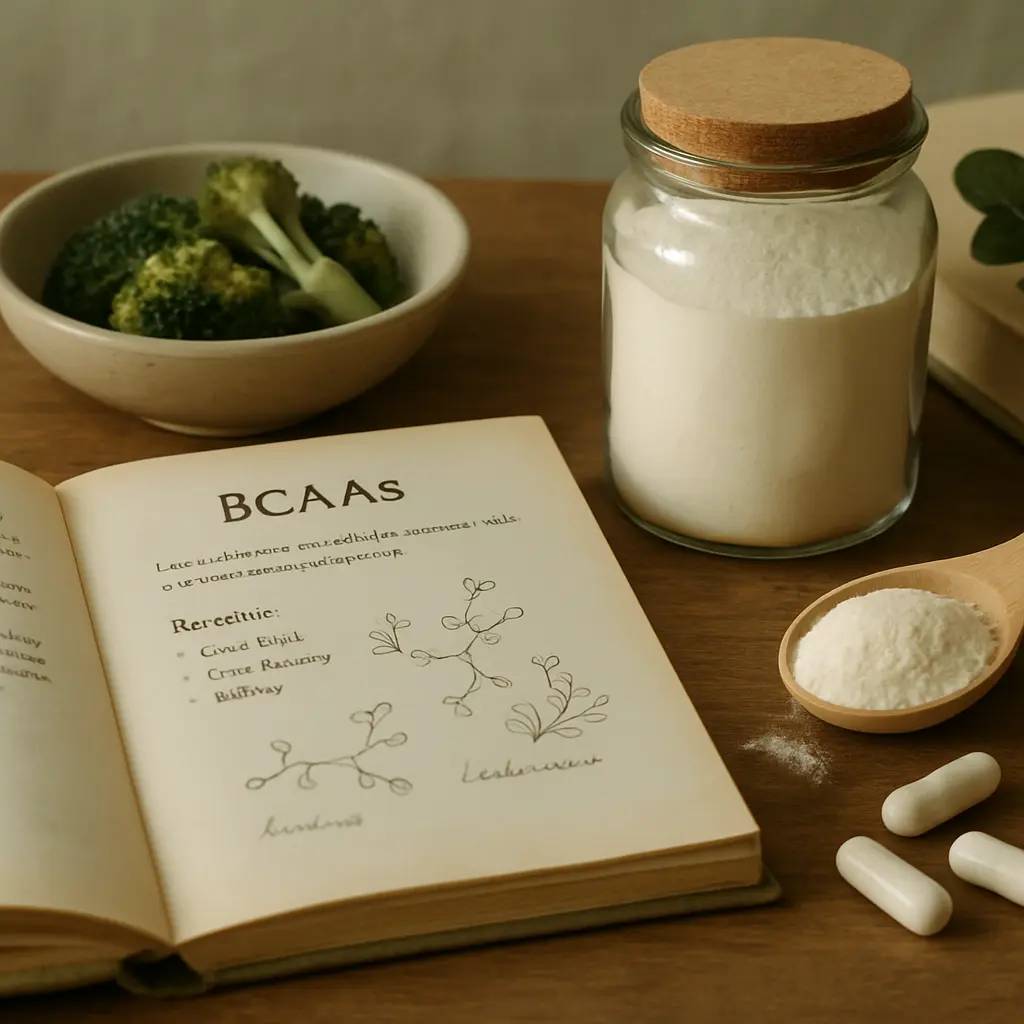
BCAAs are available in various forms, including powders, capsules, and tablets, making them convenient for daily supplementation. Incorporating BCAAs into a fitness routine can be tailored to individual goals, whether it is enhancing athletic performance, supporting recovery, or maintaining muscle mass during weight loss.
Timing and dosage are important factors to consider when supplementing with BCAAs. They are often consumed before, during, or after workouts to optimize their effects on muscle protein synthesis and recovery. However, individual needs may vary, so consulting with a healthcare or nutrition professional is advisable to determine the appropriate regimen based on personal health and fitness objectives.
Balanced Perspective and Safety
While BCAAs offer many potential benefits, it is important to approach supplementation with a balanced perspective. Adequate protein intake from a varied diet can provide the necessary amino acids for most individuals. BCAAs should complement, not replace, a healthy diet rich in whole foods.
Most research supports the safety of BCAA supplementation at recommended doses; however, excessive intake may lead to potential side effects such as gastrointestinal discomfort. Individuals with certain medical conditions or those taking specific medications should consult healthcare professionals before starting any new supplement regime.
In conclusion, BCAAs represent a valuable tool in the realm of nutrition and exercise, with their role in muscle metabolism and exercise performance being well-supported by science. While supplementation can benefit specific populations, it should be considered a component of a broader diet and fitness strategy aimed at overall health and well-being.