
The Science and Safety of Sun Tanning
In this page
Tanning often conjures images of summer, relaxation, and a warm, sun-kissed glow. However, achieving that bronzed look involves more than just soaking up the sun. This article delves into the science behind tanning, the role of ultraviolet (UV) radiation, and the precautions necessary to protect your skin. We’ll explore the balance between enjoying the sun’s benefits and minimizing its potential harm.

Scientific Background and General Context
Tanning is a natural response of the body to exposure to ultraviolet (UV) radiation from the sun. The allure of a sun-kissed complexion is widespread, yet it is crucial to understand the science behind tanning and the potential risks involved. When sunlight hits the skin, it emits three types of UV radiation: UVA, UVB, and UVC. Each plays a distinct role in the tanning process and affects the skin differently.UVA rays, making up about 95% of UV radiation reaching the Earth’s surface, penetrate deep into the skin, affecting the dermis. They are responsible for immediate tanning and contribute to skin aging and long-term damage. Unlike UVB rays, UVA rays are constant throughout the year and can penetrate clouds and glass.UVB rays, though they account for a smaller portion of UV radiation, are primarily responsible for sunburn and delayed tanning. These rays stimulate the production of melanin, the pigment responsible for the tan. However, excessive exposure can lead to sunburn, which is a clear indicator of skin damage.UVC rays are the most dangerous type of UV radiation, but fortunately, they are absorbed by the Earth’s ozone layer and do not reach the ground.

The Tanning Process Explained
Tanning is essentially a protective mechanism of the skin. The primary actor in this process is melanin, a natural pigment produced by melanocytes in the skin. When UV radiation penetrates the skin, it triggers the production of melanin, which absorbs and disperses the UV rays, reducing their harmful effects on skin cells. This increased melanin production results in the darkening of the skin, known as a tan.Melanin acts as a natural sunscreen, offering limited protection against UV radiation. However, relying solely on tanning for protection is not sufficient to prevent skin damage or long-term health risks such as skin cancer.
Daily Use and Lifestyle Applications
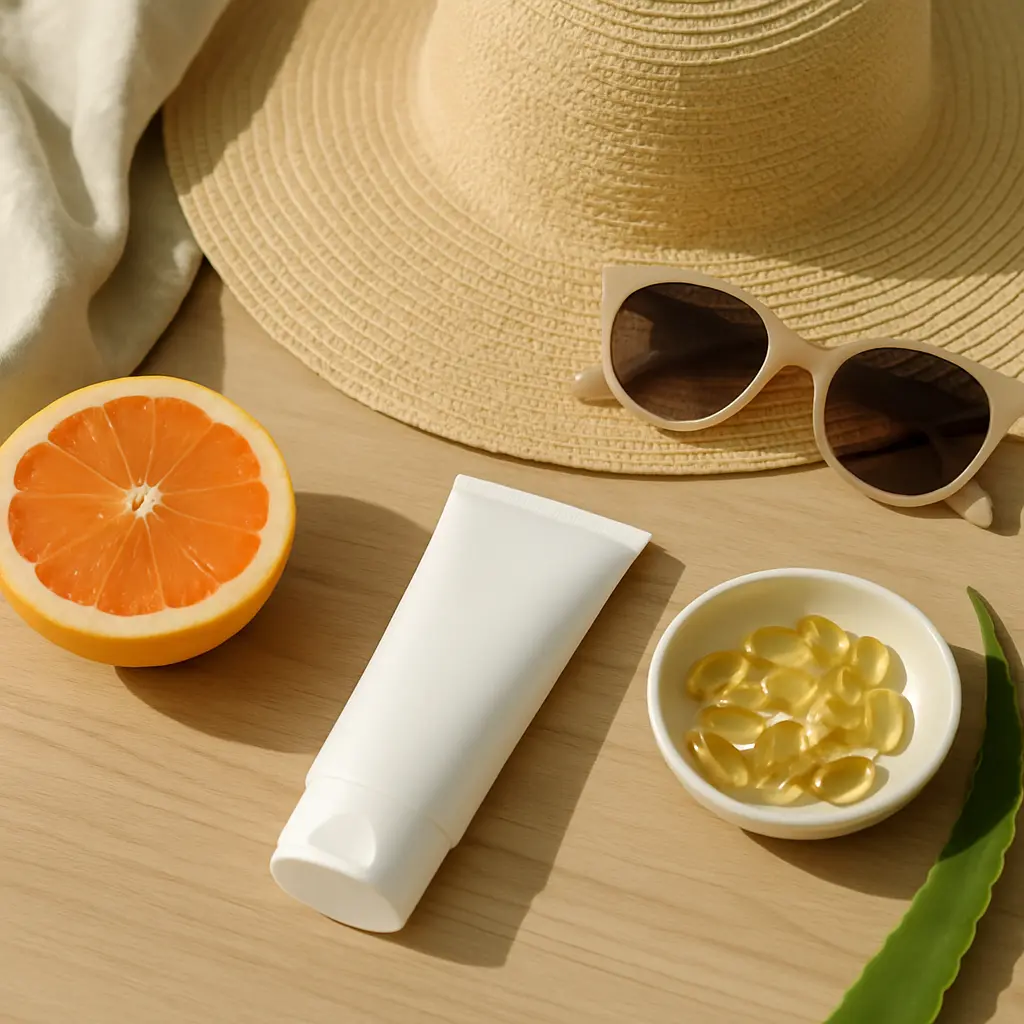
While sun exposure has known benefits, including the production of vitamin D, moderation is key. Vitamin D is crucial for bone health, immune function, and mood regulation. It is synthesized in the skin upon exposure to UVB rays. However, achieving adequate vitamin D levels does not require prolonged sun exposure, and it is essential to balance sun exposure with skin protection.To safely enjoy the sun and achieve a healthy tan, consider the following guidelines:- **Time Your Exposure**: Avoid the sun during peak hours, typically between 10 a.m. and 4 p.m., when UV radiation is strongest. Opt for early morning or late afternoon sun exposure to minimize risk.- **Use Sunscreen**: Apply a broad-spectrum sunscreen with an SPF of at least 30 to protect against both UVA and UVB rays. Reapply every two hours, or more frequently if swimming or sweating.- **Wear Protective Clothing**: Lightweight, long-sleeved shirts, wide-brimmed hats, and sunglasses can provide additional protection from the sun.- **Gradual Exposure**: Slowly increasing your time in the sun can help your skin adjust and reduce the risk of burning.
Balanced Perspective and Safety
While tanning is often perceived as a sign of health and vitality, it is essential to approach sun exposure with caution. Excessive UV exposure can lead to skin damage, premature aging, and an increased risk of skin cancer. A comprehensive approach to sun safety includes understanding the risks and taking proactive steps to protect your skin.In addition to sunscreen and protective clothing, dietary choices can also support skin health. Antioxidants such as vitamins C and E, along with beta-carotene, can help protect skin cells from oxidative stress caused by UV exposure. Incorporating a diet rich in fruits, vegetables, and whole grains can support your skin’s resilience.It is also important to recognize that not all sun exposure is detrimental. Adequate vitamin D levels are essential for overall health, and a moderate amount of sun exposure can contribute to meeting these needs. For individuals living in regions with limited sunlight, dietary supplements may be necessary to maintain appropriate vitamin D levels.
Conclusion
Tanning is a complex interaction between UV radiation and the body’s natural defense mechanisms. Understanding the science behind tanning and the potential risks involved is critical to making informed decisions about sun exposure. By balancing the benefits of sunlight with appropriate protective measures, you can enjoy a healthy, radiant complexion while safeguarding your skin’s long-term health. Remember, moderation and protection are the keys to enjoying the sun safely.


