
The Role of Protein Supplements in Weight Loss: A Comprehensive Guide
In this page
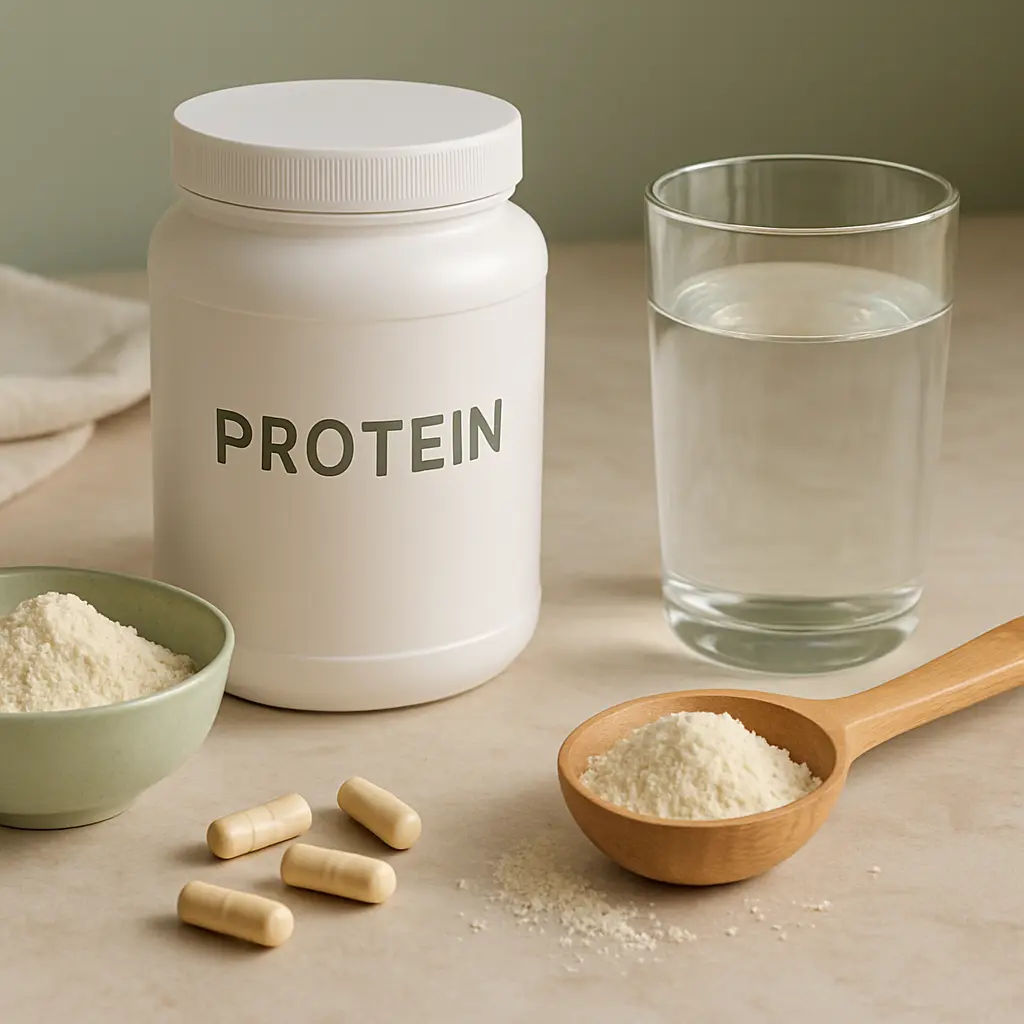
Protein supplements are often associated with muscle building, but their benefits extend beyond that. They can play a pivotal role in weight loss by influencing metabolism, satiety, and muscle retention. This article delves into the multifaceted aspects of protein intake during weight reduction, offering insights into how protein supplements can aid in achieving weight loss goals. We will explore the nutritional benefits of protein, the optimal intake for weight loss, and practical applications for incorporating protein supplements into your diet effectively.

Scientific Background and General Context
Protein is a macronutrient essential for numerous bodily functions, including the repair and growth of tissues, hormone production, and immune response. It is composed of amino acids, which are categorized into essential and non-essential. Essential amino acids cannot be synthesized by the body and must be obtained from the diet. The role of protein in weight loss is supported by its ability to increase metabolic rate through thermogenesis, reduce appetite, and support muscle mass maintenance.
Thermogenesis refers to the body’s calorie expenditure during digestion. Protein has a higher thermic effect compared to carbohydrates and fats, meaning the body uses more energy to metabolize it. This increased caloric burn can be beneficial for weight loss. Additionally, protein is known to increase satiety, which can help reduce overall calorie intake by curbing hunger and promoting a feeling of fullness.
Daily Use and Lifestyle Applications
Integrating protein supplements into your daily routine can significantly enhance the weight loss process. The key is to use them strategically to complement your dietary intake and meet your protein needs without exceeding your caloric goals. Here are some practical applications:
Meal Replacement and Snacks
Protein supplements can serve as convenient meal replacements or snacks, especially when you are pressed for time. A protein shake or bar can provide a quick source of nutrition that is low in calories yet satisfying. This can prevent unhealthy snacking on high-calorie foods.
Pre- and Post-Workout Nutrition
Consuming protein before and after workouts can aid in muscle recovery and growth. Pre-workout protein ensures that your muscles have the necessary amino acids available during exercise, while post-workout protein supports muscle repair and reduces soreness.
Optimal Timing for Protein Intake
Distributing protein intake evenly throughout the day is essential for maximizing its benefits. Aim to include a source of protein in each meal and snack to maintain steady amino acid levels in the bloodstream. This can help sustain muscle mass and enhance metabolic responses.
Balanced Perspective and Safety
While protein supplements can be advantageous, it is crucial to approach their use with a balanced perspective. Moderation is key, as excessive protein intake may lead to unnecessary calorie consumption and potential strain on the kidneys over time. It is generally safe for most individuals to consume 0.8 to 1.0 grams of protein per pound of body weight, but higher amounts may be required for athletes and those engaging in intense physical activity.
It is also important to consider the source of protein. Whey protein, derived from milk, is popular due to its high biological value and rapid absorption. Casein, another milk-based protein, is absorbed more slowly, making it suitable for sustained protein release. Plant-based protein powders, made from soy, pea, or rice, offer alternatives for those with dietary restrictions or allergies.
Nutritional Benefits of Protein During Weight Loss
Protein is not only vital for muscle maintenance but also for overall health. During weight loss, maintaining an adequate protein intake helps preserve lean body mass while promoting fat loss. This is crucial because muscle tissue is more metabolically active than fat tissue, meaning it burns more calories at rest.
Protein’s Role in Muscle Preservation
One of the primary reasons to consume sufficient protein during weight loss is to prevent muscle loss. When the body is in a calorie deficit, it may break down muscle tissue for energy if protein intake is inadequate. This can lead to a decrease in metabolic rate, making weight loss more challenging.
Appetite Regulation and Satiety
Protein is known to influence hormones that regulate hunger and satiety, such as ghrelin and peptide YY. A diet higher in protein can lead to a reduction in appetite and increase the feeling of fullness after meals, which can be beneficial in reducing overall calorie intake.
Choosing the Right Protein Supplements for Weight Loss
The selection of protein supplements can be overwhelming, with options ranging from whey and casein to plant-based alternatives. Here are some considerations when choosing a protein supplement for weight loss:
Dairy-Based Proteins: Whey and Casein
Whey protein is quickly absorbed, making it ideal for post-workout recovery. Casein, on the other hand, is absorbed slowly, providing a prolonged release of amino acids. This makes casein suitable for consumption before long periods without food, such as before bedtime.
Plant-Based Proteins
For individuals with lactose intolerance or dietary preferences, plant-based proteins, such as soy, pea, and rice, offer viable alternatives. They are generally lower in calories and can be combined to ensure a complete amino acid profile.
Supplement Formulation
Consider the overall formulation of the protein supplement, including any added sugars, flavors, or preservatives. Opt for products with minimal additives to ensure you’re getting the most nutritional benefit without unnecessary calories.
Conclusion: Achieving Weight Loss with Protein Supplements
Protein supplements can be a valuable tool in a weight loss strategy, provided they are used thoughtfully and in conjunction with a balanced diet and exercise routine. By understanding the role of protein in metabolism, satiety, and muscle maintenance, you can tailor your protein intake to support your weight loss goals effectively. As with any dietary change, it is advisable to consult a healthcare professional or nutritionist to ensure that your approach aligns with your individual health needs and goals.


