
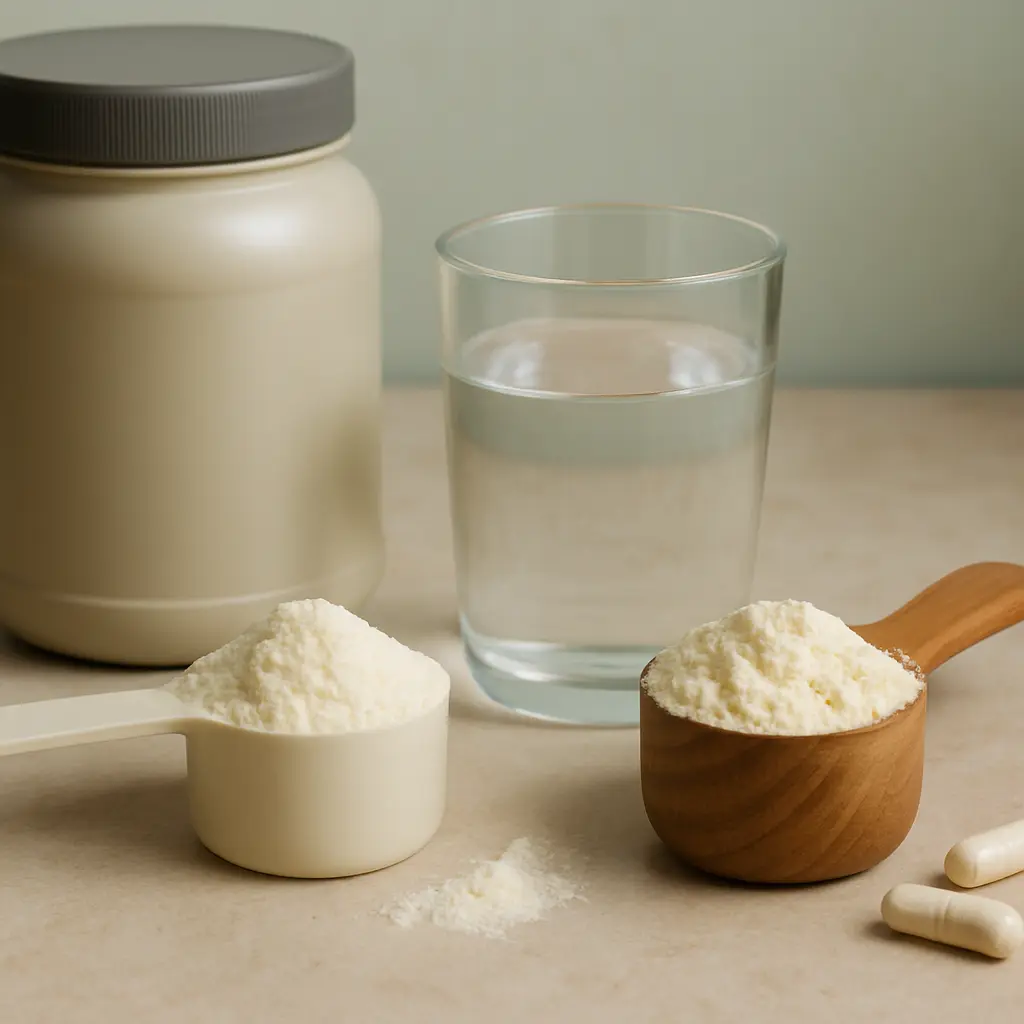
Understanding Whey Protein Supplements: Isolate vs. Concentrate
In this page
Whey protein supplements are a popular choice among fitness enthusiasts and health-conscious individuals. These supplements are derived from milk, specifically whey, and come in various forms, including isolates and concentrates. Each type has unique characteristics and potential benefits. This article delves into the production processes, nutritional profiles, and practical applications of whey protein isolates and concentrates. We also explore the health implications, usage guidelines, and alternatives for those with dietary restrictions.
Scientific Background and General Context
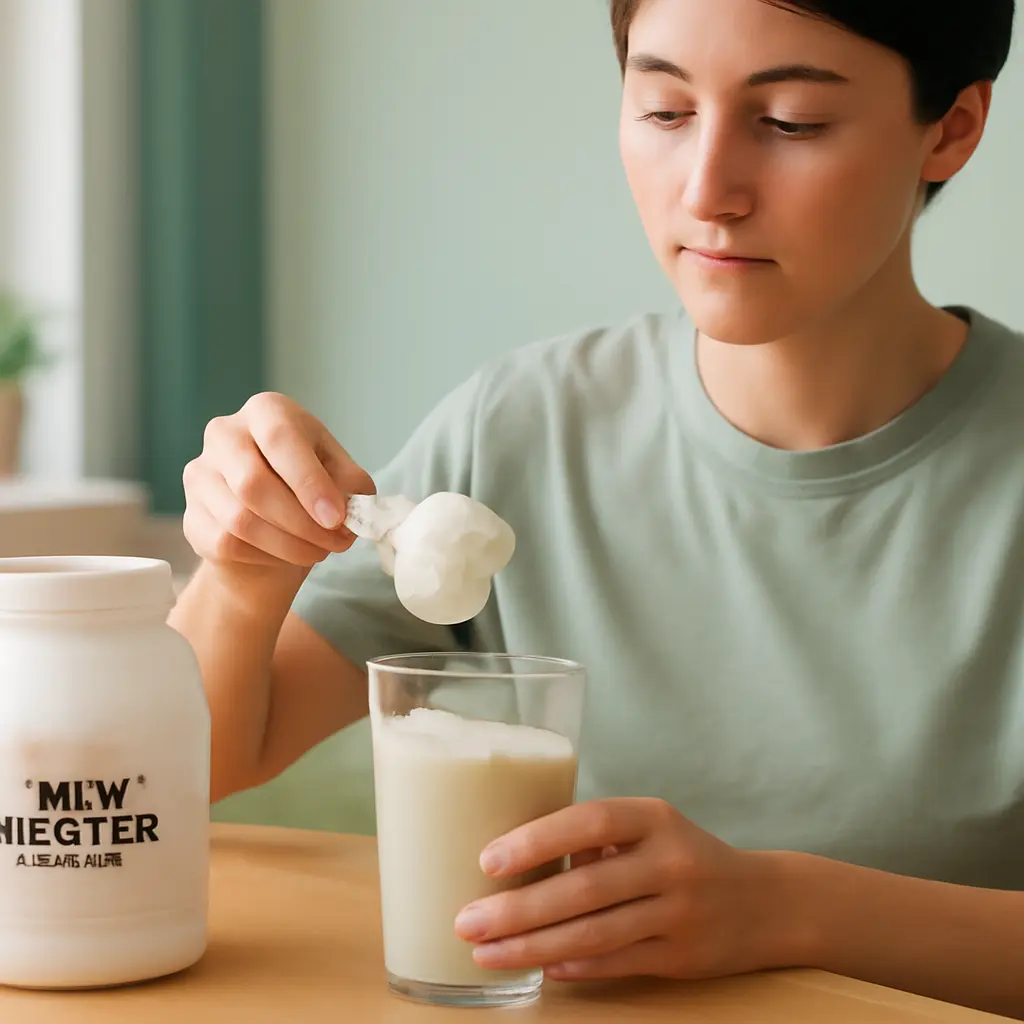
Whey protein is a high-quality protein naturally found in milk. It is one of the primary proteins derived during cheese production, where liquid whey is separated from the curds. Whey protein is rich in essential amino acids, including branched-chain amino acids (BCAAs) like leucine, isoleucine, and valine, which are crucial for muscle growth and recovery. Whey protein supplements are classified into isolates, concentrates, and hydrolysates. Each form differs in protein content, processing method, and absorption rate. Isolates undergo more extensive processing, resulting in a higher protein content and lower levels of fats and carbohydrates compared to concentrates. This processing affects the nutritional profile and the specific applications of each protein type.
Production and Composition of Whey Protein Isolate (WPI)
Production Process
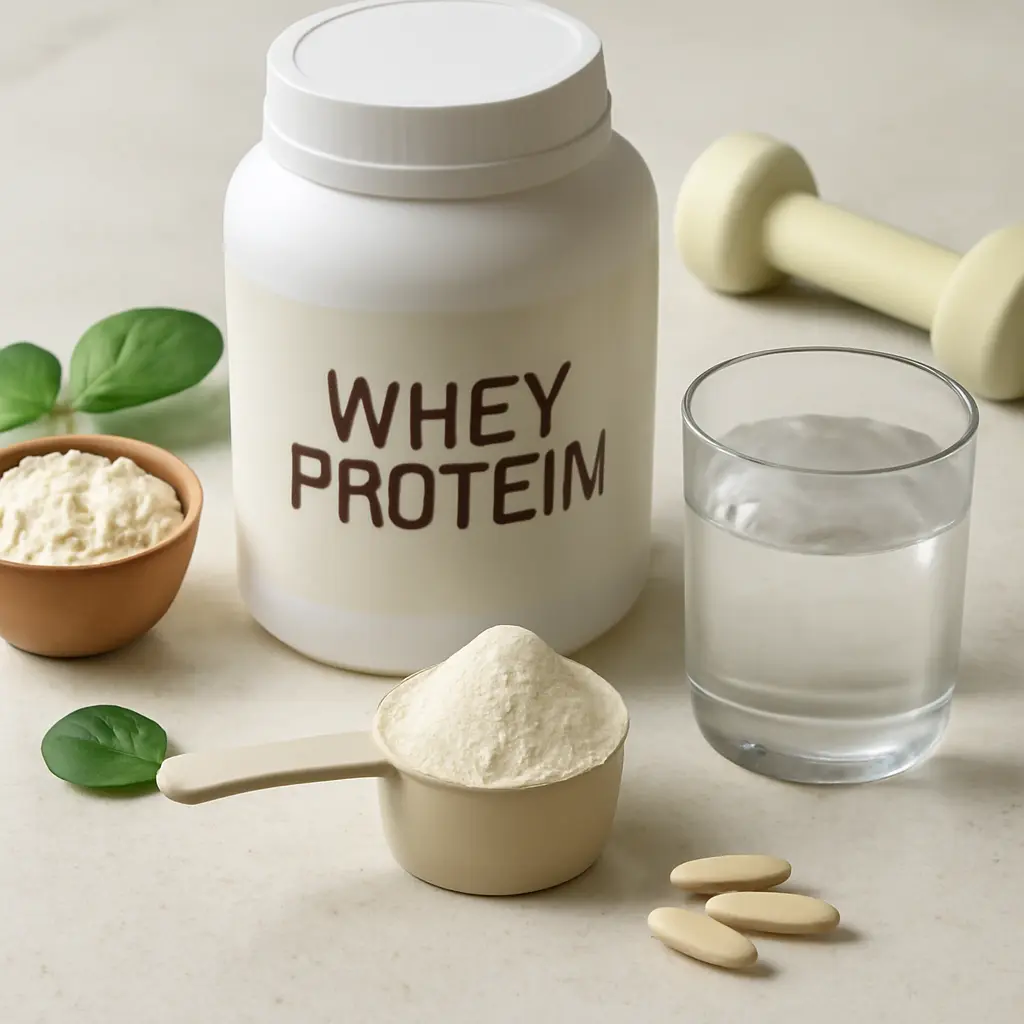
The production of whey protein isolate involves multiple filtration steps to remove most of the fats and carbohydrates present in whey. This process typically includes microfiltration and ultrafiltration, which help retain a higher percentage of protein while reducing lactose and fat content. The resulting product is then purified and dried to form a powder with high protein concentration, usually over 90%.
Nutritional Composition
Whey protein isolate is characterized by its high protein content and minimal levels of fats and carbohydrates. It boasts a rich amino acid profile, with significant amounts of BCAAs, which play a crucial role in muscle protein synthesis. Additionally, WPI contains sulfur-containing amino acids like cysteine and methionine, important for synthesizing glutathione, a potent antioxidant that helps combat oxidative stress.Whey protein isolate also includes various protein fractions, such as beta-lactoglobulin, alpha-lactalbumin, immunoglobulins, and lactoferrin, each offering unique health benefits. These proteins contribute to immune support, enhance nutrient absorption, and may provide anti-inflammatory effects.
Applications and Usage of Whey Protein Isolate
Whey protein isolate is a favored choice among athletes and individuals leading active lifestyles due to its rapid absorption and high protein content. It is particularly beneficial for:- **Muscle Building and Recovery:** The high concentration of BCAAs in WPI aids muscle repair and growth, making it an ideal post-workout supplement.- **Weight Management:** Its low fat and carbohydrate content make WPI suitable for low-carb or ketogenic diets.- **Digestive Sensitivities:** The reduced lactose content in isolates makes them a good choice for those with lactose intolerance.Typical daily protein intake recommendations range from 0.45 to 0.55 grams per pound of body weight for adults, with higher requirements for athletes. A standard serving of WPI provides about 22 to 27 grams of protein, making it a convenient way to meet daily protein needs.
Production and Composition of Whey Protein Concentrate (WPC)
Production Process
The production of whey protein concentrate involves a simpler filtration process compared to isolates. This initial filtration separates whey from the liquid and retains a significant portion of the natural nutrients found in milk. The end product is then dehydrated to form a powder with a protein content ranging from 70% to 80%.
Nutritional Composition
Whey protein concentrate contains a balanced mix of proteins, fats, carbohydrates, and essential minerals. While it has a slightly lower protein concentration than WPI, it retains more of the beneficial compounds naturally present in whey. Like isolates, concentrates are rich in BCAAs, supporting muscle growth and recovery.
Applications and Usage of Whey Protein Concentrate
Whey protein concentrate is versatile and widely used for various purposes, including:- **General Nutrition:** Its nutrient-rich profile makes it an excellent supplement for individuals looking to augment their protein intake.- **Aging Populations:** The protein in WPC helps maintain muscle mass and strength, crucial for older adults as muscle and connective tissues weaken with age.- **Cost-Effectiveness:** Concentrates are often less expensive than isolates, making them a budget-friendly option for those seeking protein supplementation.For dosing, individuals typically use 30 to 60 grams per serving, adjusting based on body weight, fitness goals, and dietary needs.
Whey Proteins and Health Benefits
Extensive research supports the health benefits of whey protein supplementation. Clinical studies suggest that whey proteins can improve muscle mass, enhance recovery post-exercise, increase strength, and support better body composition by reducing fat mass. Additionally, whey protein may contribute to cardiovascular health by lowering blood pressure and supporting immune function.However, individuals with pre-existing health conditions or those on certain medications should consult healthcare providers before starting whey protein supplementation to avoid potential interactions or side effects.
Alternatives for Traditional Dairy Proteins
For those with lactose intolerance, milk allergies, or dietary preferences, several alternatives to traditional whey proteins are available:
Lactose-Free Supplements
These supplements are specially processed to remove lactose, making them suitable for individuals with lactose intolerance.
Plant-Based Protein Supplements
Options like soy, pea, rice, and hemp protein offer dairy-free alternatives rich in essential amino acids, accommodating vegans and individuals with milk protein allergies.
Egg White Protein
Egg white protein is another high-quality animal protein alternative, offering a complete amino acid profile without the lactose found in dairy.
When to Use Whey Protein Supplements
Whey protein supplements can be consumed at various times, depending on individual needs:- **Post-Workout:** Consuming whey protein immediately after exercise supports muscle repair and growth.- **Between Meals:** As a snack to curb hunger and manage cravings, helping maintain a balanced diet.- **Breakfast:** A convenient way to jump-start protein intake after overnight fasting.
Incorporating Whey Protein into Your Diet
Whey protein is not limited to shakes; it can be a versatile ingredient in various recipes:
Protein Smoothies
Blend whey protein with fruits, vegetables, and a liquid base for a nutrient-dense smoothie.
Protein Omelets
Enhance your omelet with whey protein for a high-protein, low-fat meal option.
Homemade Protein Bars
Combine whey protein with oats, nuts, and dried fruits for a healthy on-the-go snack.
Conclusion: Isolate vs. Concentrate
Both whey protein isolate and concentrate offer distinct advantages. Isolates are ideal for those seeking high protein, low carb, and low fat options, while concentrates provide a more balanced nutrient profile at a lower cost. The choice between the two depends on individual dietary needs, fitness goals, and potential sensitivities. Always consider consulting a healthcare provider or nutritionist to tailor your protein supplementation to your specific requirements.


