
The Many Benefits of Vitamin C for Women’s Health
In this page
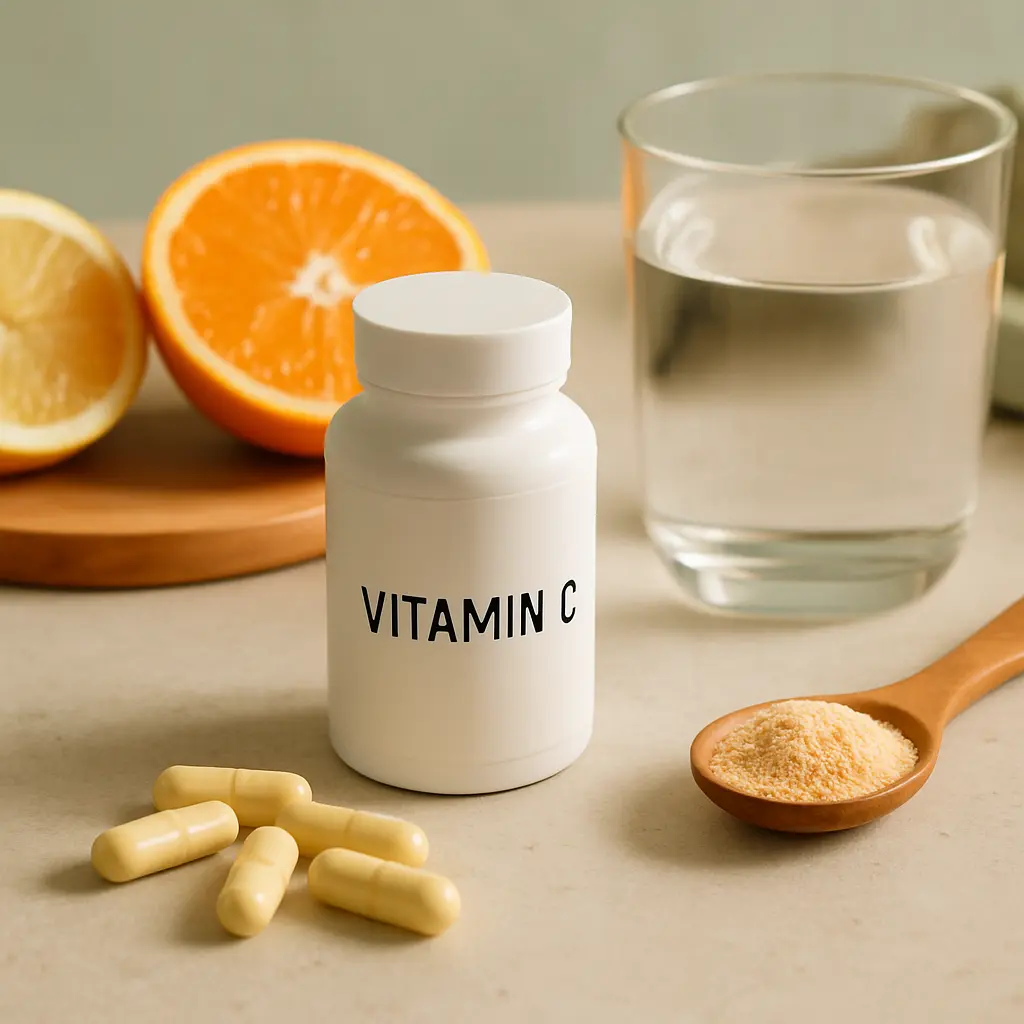
Vitamin C, a vital water-soluble nutrient, is indispensable for maintaining overall health. Commonly found in citrus fruits, strawberries, kiwi, peppers, and broccoli, it plays a crucial role in various bodily functions. While it is readily available in a balanced diet, there are times when supplementation may be necessary, particularly during periods of illness or when dietary intake is insufficient. This article delves into the specific benefits of vitamin C for women, exploring its potential effects on menstrual health, hormonal balance, and more.

Scientific Background and General Context
Vitamin C, also known as ascorbic acid, is essential for the growth, development, and repair of all body tissues. It is involved in numerous functions, including the production of collagen, absorption of iron, proper immune system functioning, wound healing, and the maintenance of cartilage, bones, and teeth. Unlike some animals, humans cannot synthesize vitamin C endogenously, making it a necessary component of our diet.
In terms of women’s health, vitamin C has been studied for its potential role in alleviating symptoms associated with premenstrual syndrome (PMS) and menopause, supporting reproductive health, and improving skin condition. These benefits are largely attributed to its antioxidant properties and its involvement in hormone regulation.
Vitamin C and Premenstrual Syndrome (PMS)
Premenstrual syndrome (PMS) is a common condition affecting many women, characterized by symptoms such as mood swings, bloating, breast tenderness, and fatigue in the days leading up to menstruation. Research suggests that vitamin C may help alleviate these symptoms by influencing hormone levels, particularly by increasing progesterone, which can help balance the effects of estrogen and reduce PMS severity.
Progesterone is crucial for reproductive health, promoting the proper implantation of a fertilized egg and maintaining pregnancy. By potentially boosting progesterone levels, vitamin C may not only ease PMS symptoms but also support overall menstrual health and fertility.
Regulating Menstrual Health
Heavy menstrual bleeding, also known as menorrhagia, can be a debilitating condition for many women, leading to significant blood loss and iron-deficiency anemia. Some studies suggest that vitamin C could help manage heavy periods by reducing estrogen dominance and promoting a healthier hormonal balance.
Estrogen plays a vital role in building the uterine lining during the menstrual cycle. When estrogen levels are too high relative to progesterone, it can lead to excessively thick endometrial buildup and, consequently, heavy menstrual bleeding. By potentially aiding in the regulation of these hormones, vitamin C might offer relief to women experiencing heavy periods.
Support During the Follicular Phase
The follicular phase of the menstrual cycle begins on the first day of menstruation and ends with ovulation. During this phase, a woman’s body prepares for potential conception, making proper nutrition crucial. Vitamin C, with its antioxidant properties, can support this phase by mitigating oxidative stress and inflammation.
Oxidative stress results from an imbalance between free radicals and antioxidants in the body, leading to cellular damage. By neutralizing free radicals, vitamin C can promote a healthier hormonal environment and support reproductive health.
Tackling Hormonal Acne
Hormonal acne is a common skin condition that occurs due to fluctuations in hormone levels, particularly during the menstrual cycle. Vitamin C’s antioxidant properties can help reduce the inflammation associated with acne by inhibiting nuclear factor kappa B (NFkB), a protein complex involved in inflammatory responses.
By reducing oxidative stress and inflammation, vitamin C may improve skin health and reduce the occurrence of hormonal acne, providing both aesthetic and psychological benefits to those affected.
Alleviating Anxiety and Enhancing Mood
Anxiety is a prevalent mental health issue that can significantly impact quality of life. Interestingly, some studies suggest that vitamin C supplementation may help reduce feelings of anxiety and promote relaxation.
While the exact mechanism is not fully understood, it is thought that vitamin C’s role in neurotransmitter synthesis and its antioxidant effects may contribute to its mood-enhancing properties. By potentially reducing anxiety, vitamin C can support mental well-being and overall quality of life.
Daily Use and Lifestyle Applications
While vitamin C is available in a variety of foods, some individuals may require supplementation to meet their daily needs, particularly during periods of increased physiological stress, illness, or dietary restrictions. The Recommended Dietary Allowance (RDA) for vitamin C varies by age and sex, with adult women requiring 75 milligrams per day.
For those looking to optimize their vitamin C intake, incorporating a variety of vitamin C-rich foods into their diet is advisable. Foods such as oranges, bell peppers, strawberries, and broccoli offer an excellent source of this essential vitamin and can be easily included in meals and snacks. For those considering supplements, it is essential to consult with a healthcare professional to determine the appropriate dosage.
Balanced Perspective and Safety
While vitamin C is generally safe for most individuals, excessive intake can lead to side effects such as gastrointestinal discomfort and diarrhea. It is crucial to adhere to recommended dosages and be mindful of total vitamin C consumption from both dietary and supplemental sources.
Furthermore, although vitamin C offers numerous health benefits, it should not be viewed as a panacea. A balanced diet, regular physical activity, and a healthy lifestyle are vital components of overall well-being. Vitamin C is just one piece of the puzzle in supporting women’s health and should be integrated into a comprehensive approach to health and wellness.
Conclusion
Vitamin C is a versatile nutrient with a wide range of benefits for women’s health. From alleviating PMS symptoms to supporting skin health and mood, its role in maintaining hormonal balance and reducing oxidative stress is well-documented. By ensuring adequate intake through diet and, when necessary, supplementation, women can harness the power of vitamin C to support their health and well-being at every stage of life.


