
The Importance of Vitamin K2: A Comprehensive Guide
In this page
Vitamin K2, a lesser-known member of the vitamin K family, plays a critical role in maintaining various physiological processes. While vitamin K1 is primarily associated with blood coagulation, vitamin K2 extends its benefits to bone health and cardiovascular wellness. Discovered in the early 20th century, vitamin K2 has been the subject of extensive research due to its unique properties and health benefits. This article explores the significance of vitamin K2, its various forms, daily usage, and its role in promoting a healthy lifestyle.

Scientific Background and General Context
Vitamin K was first identified by Henrik Dam in 1929 after observing prolonged bleeding in chickens fed a low-fat diet. This discovery pointed to a new fat-soluble vitamin essential for blood coagulation, named vitamin K from “Koagulation”. Further studies by Edward Adelbert Doisy unveiled the chemical structure of this vitamin, leading to a better understanding of its physiological roles, earning both researchers a Nobel Prize in 1943.Vitamin K is a group of structurally similar, fat-soluble vitamins. It exists in two main forms: vitamin K1 (phylloquinone), found in green leafy vegetables, and vitamin K2 (menaquinone), which is present in animal products and fermented foods. Vitamin K2 itself has several subtypes, the most studied being MK-4 and MK-7. These subtypes vary in their molecular structure and the source from which they are derived, influencing their biological activity and health benefits.

The Role of Vitamin K2 in the Body
While both vitamin K1 and K2 are crucial for activating proteins involved in blood clotting, vitamin K2 has additional roles that are vital for maintaining bone and cardiovascular health.
Bone Health
Vitamin K2 is instrumental in bone health due to its ability to activate osteocalcin, a protein that binds calcium and integrates it into the bone matrix. This process is essential for maintaining bone strength and density, reducing the risk of osteoporosis and fractures, especially in older adults. By ensuring calcium is deposited in bones rather than soft tissues, vitamin K2 helps maintain skeletal integrity and function.
Cardiovascular Health
Vitamin K2 contributes to cardiovascular health by regulating calcium deposition in the arterial walls. It activates matrix Gla-protein (MGP), which inhibits calcification in the arteries and veins. This role is critical in preventing atherosclerosis, a condition characterized by the hardening and narrowing of the arteries due to calcium buildup, which can lead to heart disease and stroke.
Other Physiological Functions
Emerging studies suggest that vitamin K2 may also have neuroprotective effects, potentially playing a role in cognitive function and neurodegenerative diseases. Additionally, vitamin K2 is involved in energy metabolism and cell growth, further highlighting its importance in overall health.
Dietary Sources and Synthesis of Vitamin K2
Vitamin K2 can be obtained from dietary sources and is also synthesized by gut microbiota, highlighting the importance of a healthy digestive system for its production.
Dietary Sources
Vitamin K2 is found in various foods, with the most significant sources being animal products and fermented foods. MK-4 is prevalent in meats, particularly organ meats, while MK-7 is abundant in fermented products such as natto, a traditional Japanese dish made from fermented soybeans. Some cheeses and other dairy products also provide vitamin K2, especially those that undergo bacterial fermentation.
Gut Microbiota and Vitamin K2 Production
The human intestine hosts a diverse array of bacteria, some of which are capable of producing vitamin K2. The synthesis of vitamin K2 by gut bacteria depends on the presence of specific strains, emphasizing the importance of a balanced gut microbiome for optimal vitamin K2 levels. A diet rich in fiber and fermented foods can support a healthy gut environment, enhancing endogenous production of vitamin K2.
Daily Use and Lifestyle Applications
Incorporating vitamin K2 into the daily diet can be beneficial for maintaining bone and cardiovascular health. While exact dietary requirements for vitamin K2 have not been established, it is generally recommended to consume a variety of foods rich in this nutrient as part of a balanced diet.
Supplementation
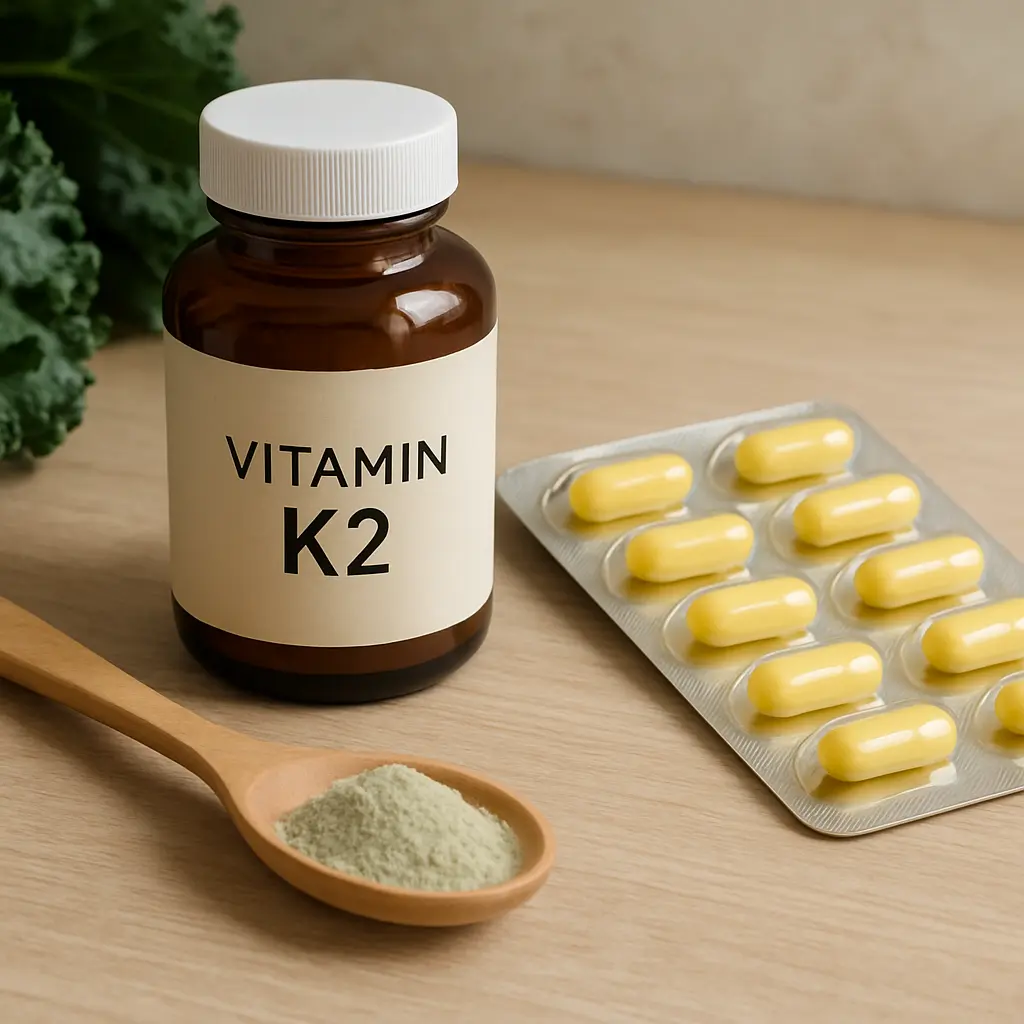
For individuals who may have difficulty obtaining sufficient vitamin K2 from dietary sources alone, supplementation can be a viable option. This is particularly relevant for those with dietary restrictions, such as vegetarians or individuals with limited access to fermented foods. However, supplementation should be approached with caution, and it is advisable to consult a healthcare professional before beginning any new supplement regimen.
Interactions and Synergy with Other Nutrients
Vitamin K2 works synergistically with other nutrients, particularly vitamin D and calcium. While vitamin D promotes calcium absorption from the gut, vitamin K2 ensures that calcium is deposited in bones rather than arteries. This interplay underscores the importance of a holistic approach to nutrition, focusing on balanced intake of micronutrients for optimal health.
Balanced Perspective and Safety
While vitamin K2 offers numerous health benefits, it is essential to approach its use with a balanced perspective. Excessive intake, particularly from supplements, may lead to adverse effects, although such instances are rare due to the vitamin’s wide safety margin.
Potential Risks and Considerations
Individuals taking anticoagulant medication, such as warfarin, should be cautious with vitamin K2 intake, as it can interfere with the medication’s effectiveness. It is crucial for these individuals to maintain consistent vitamin K intake and consult healthcare providers to manage any potential interactions.
Ensuring Adequate Intake
Achieving optimal vitamin K2 intake involves a combination of dietary strategies and lifestyle practices. Incorporating a variety of foods rich in vitamin K2, maintaining a healthy gut microbiome, and ensuring synergy with other micronutrients are all integral components of a comprehensive approach to health.
Conclusion
Vitamin K2 is a vital nutrient with multifaceted roles in maintaining health, particularly in bone and cardiovascular systems. Understanding its sources, physiological functions, and potential applications can empower individuals to make informed dietary choices, promoting overall wellness and longevity. By integrating vitamin K2 into a balanced diet, individuals can take proactive steps toward achieving optimal health and well-being.


