
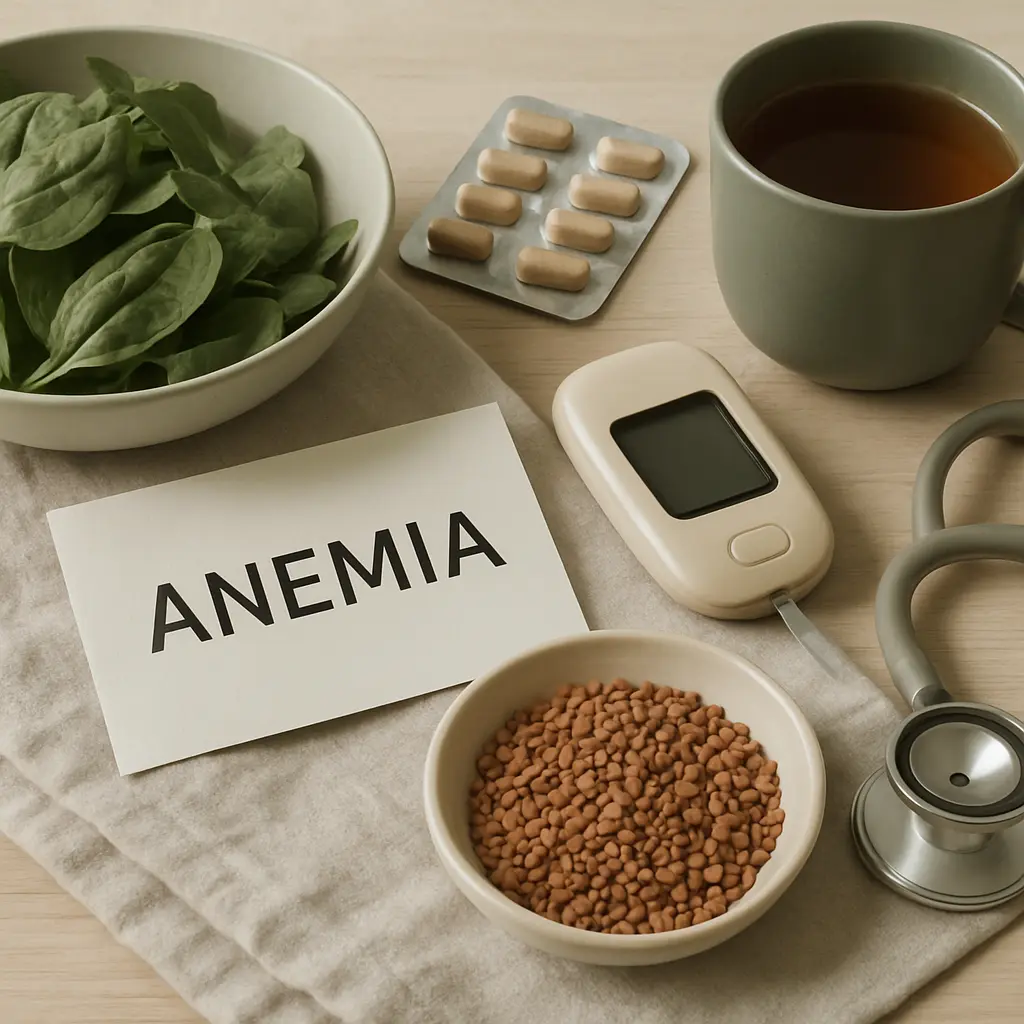
Understanding Anemia: Causes, Diagnosis, and Dietary Strategies
In this page
Anemia, often known as a deficiency of hemoglobin or red blood cells, is a prevalent condition that affects the body’s ability to transport oxygen efficiently. Characterized by fatigue and weakness, it can arise from various nutritional deficiencies and underlying health issues. This article delves into the causes of anemia, how it is diagnosed, and dietary considerations that can aid in its management. By understanding the complex factors contributing to anemia and exploring practical lifestyle changes, individuals can better manage this condition.

Scientific Background and General Context
Anemia is a medical condition characterized by a reduction in the number of red blood cells or the concentration of hemoglobin in the blood. Hemoglobin, a protein rich in iron, is crucial as it facilitates the transport of oxygen from the lungs to the body’s tissues and organs while carrying carbon dioxide back to the lungs for expulsion. When hemoglobin levels drop, the body’s ability to perform these vital functions is impaired, leading to symptoms such as fatigue, shortness of breath, and pallor.The World Health Organization estimates that over 1.6 billion people suffer from anemia globally, making it a significant public health concern. While it can affect anyone, certain groups like pregnant women, young children, and the elderly are more susceptible. Understanding the underlying causes and the importance of timely diagnosis can help mitigate the impact of anemia on health and quality of life.

Causes of Anemia
Iron Deficiency and Beyond
Iron deficiency is one of the most common causes of anemia. Iron is an essential component of hemoglobin, and a lack of it impairs the body’s ability to produce enough healthy red blood cells. However, anemia is not solely caused by iron deficiency. Vitamin B12 and folate, both crucial for DNA synthesis and red blood cell production, can also lead to anemia if deficient. Chronic conditions like kidney disease, inflammatory disorders, cancers, and autoimmune diseases can disrupt red blood cell production or increase their destruction, contributing to anemia.
Impact of Chronic Diseases
Chronic diseases can significantly affect bone marrow function, where red blood cells are produced. Conditions such as aplastic anemia, myelodysplastic syndromes, and leukemia can directly hinder the body’s ability to generate healthy red blood cells. Additionally, inherited disorders like thalassemia and sickle cell anemia alter red blood cells’ structure and function, leading to various forms of anemia.
Blood Loss
Blood loss, both acute and chronic, is another major cause of anemia. Acute blood loss can result from trauma, surgery, or internal bleeding, while chronic blood loss is frequently associated with gastrointestinal issues like ulcers, polyps, or hemorrhoids, and heavy menstruation in women. Over time, such blood loss can deplete the body’s iron stores, leading to anemia.
Detection and Diagnosis of Anemia
Diagnostic Testing
Diagnosing anemia involves a series of laboratory tests designed to identify the root cause and severity of the condition. The complete blood count (CBC) is a fundamental test that measures red blood cell count, hemoglobin levels, hematocrit, and red blood cell indices such as mean corpuscular volume (MCV), mean corpuscular hemoglobin (MCH), and mean corpuscular hemoglobin concentration (MCHC). These indicators help categorize the type of anemia and guide further investigation.
Evaluating Iron Stores
To assess iron levels, tests measuring serum ferritin, transferrin saturation, and serum iron are conducted. Ferritin reflects the body’s iron reserve, and low levels indicate a deficiency. Transferrin is a protein that transports iron, and its saturation level reveals how much iron is bound and available. These tests provide a comprehensive picture of the body’s iron status.
Vitamin B12 and Folate Deficiencies
If a deficiency in vitamin B12 or folate is suspected, blood tests measuring their levels are performed. Elevated homocysteine and methylmalonic acid levels may also indicate a vitamin B12 deficiency. These tests are vital for differentiating between various types of anemia and ensuring appropriate treatment.
Assessing Chronic Conditions
When anemia is linked to chronic diseases, additional blood tests for inflammatory markers like C-reactive protein (CRP) and erythrocyte sedimentation rate (ESR) are used. Kidney function tests measuring creatinine and urea levels can identify renal insufficiency, a common cause of anemia.
Dietary Strategies for Managing Anemia
Iron-Rich Foods
Diet plays a pivotal role in managing nutrient-deficiency anemia. Heme iron, found in animal products such as red meat, poultry, fish, and liver, is readily absorbed by the body and is more effective in treating anemia. Non-heme iron, present in plant-based foods like beans, lentils, spinach, tofu, nuts, and whole grains, has lower absorption rates but remains a vital dietary component. Consuming vitamin C-rich foods such as citrus fruits, bell peppers, broccoli, and tomatoes alongside non-heme iron sources can enhance absorption.
Vitamin B12 and Folate Sources
For individuals with a vitamin B12 deficiency, consuming animal-based foods such as meat, fish, eggs, and dairy products is recommended. Vegetarians and vegans should consider B12 supplementation, particularly in the form of methylcobalamin, which is more efficiently absorbed than cyanocobalamin. Folate is plentiful in leafy greens, citrus fruits, legumes, and nuts. Folate supplements in the form of methylated folate, such as calcium methylfolate, offer superior bioavailability.
Nutritional Considerations
It’s essential to be mindful of dietary factors that can inhibit iron absorption. These include tannins in tea and coffee, phytic acid in whole grains, and high calcium levels. Balancing these factors by spacing them away from iron-rich meals or enhancing intake of absorption-boosting nutrients can help manage anemia more effectively.
Daily Use and Lifestyle Applications
Incorporating dietary strategies to combat anemia requires an understanding of how nutrients interact and the role of balanced meals in maintaining optimal health. Meal planning with a focus on diversifying nutrient sources can ensure adequate intake of essential vitamins and minerals. Additionally, adopting a well-rounded lifestyle that includes regular physical activity, stress management, and adequate sleep can support overall health and potentially mitigate some of the symptoms associated with anemia.
Balanced Perspective and Safety
While dietary modifications can significantly impact anemia management, it’s crucial to approach treatment with a balanced perspective. Not all cases of anemia can be resolved through diet alone, especially those related to chronic illnesses or genetic conditions. Collaborating with healthcare professionals for a comprehensive treatment plan is essential. Safety in supplementation and avoiding overconsumption of certain nutrients, such as iron, which can be toxic at high levels, is also important.In conclusion, understanding the multifaceted nature of anemia, its causes, and potential dietary interventions can empower individuals to take proactive steps in managing this condition. Through informed choices and collaboration with healthcare providers, the impact of anemia on daily life can be minimized, leading to better health outcomes and improved quality of life.


