
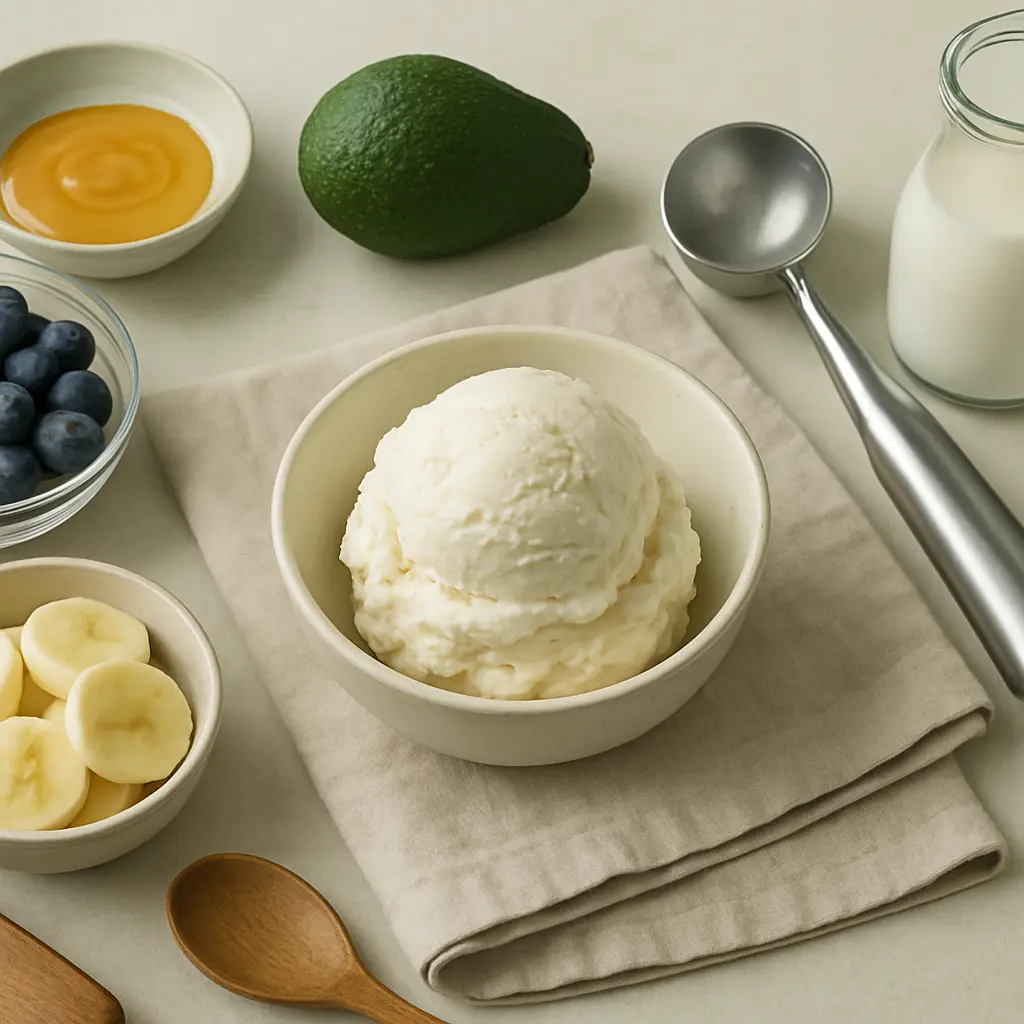
Exploring the Delicious and Nutritious World of Homemade Ice Cream
In this page
Homemade ice cream is a delightful and versatile treat that can be tailored to suit various taste preferences and dietary needs. This article will explore the world of homemade ice cream, focusing on a popular flavor combination featuring cookies, peanut butter, and bananas. We will delve into the nutritional benefits of these ingredients, offer tips for successfully making ice cream at home, and discuss how to incorporate this delicious dessert into a balanced lifestyle.
Scientific Background and General Context
Ice cream is a beloved dessert around the world, known for its creamy texture and ability to satisfy sweet cravings. Traditionally, ice cream is made using a base of milk or cream, sugar, and flavoring, which is then churned and frozen. However, many modern variations use alternative ingredients to cater to dietary preferences and restrictions, such as dairy-free or low-sugar options.The combination of cookies, peanut butter, and bananas in homemade ice cream is a delectable twist on traditional flavors. These ingredients not only provide a unique taste experience but also introduce nutritional benefits that elevate this dessert beyond mere indulgence.Bananas are a key component of this ice cream, offering natural sweetness and a creamy texture when frozen and blended. They are rich in essential nutrients such as potassium, vitamin C, and dietary fiber. Potassium is vital for maintaining healthy blood pressure and muscle function, while vitamin C is an antioxidant that supports immune health.Peanut butter contributes a rich, nutty flavor and a dose of healthy fats and protein to this ice cream. It is a source of monounsaturated fats, which are beneficial for heart health, and provides protein that aids in muscle repair and maintenance. Additionally, peanut butter contains essential vitamins and minerals, including vitamin E, magnesium, and niacin.Cookies add a delightful crunch and texture to the ice cream. While they are often seen as a treat, certain types of cookies, such as those made with whole grains or nuts, can offer additional fiber and nutrients.
Ingredients and Nutritional Insights
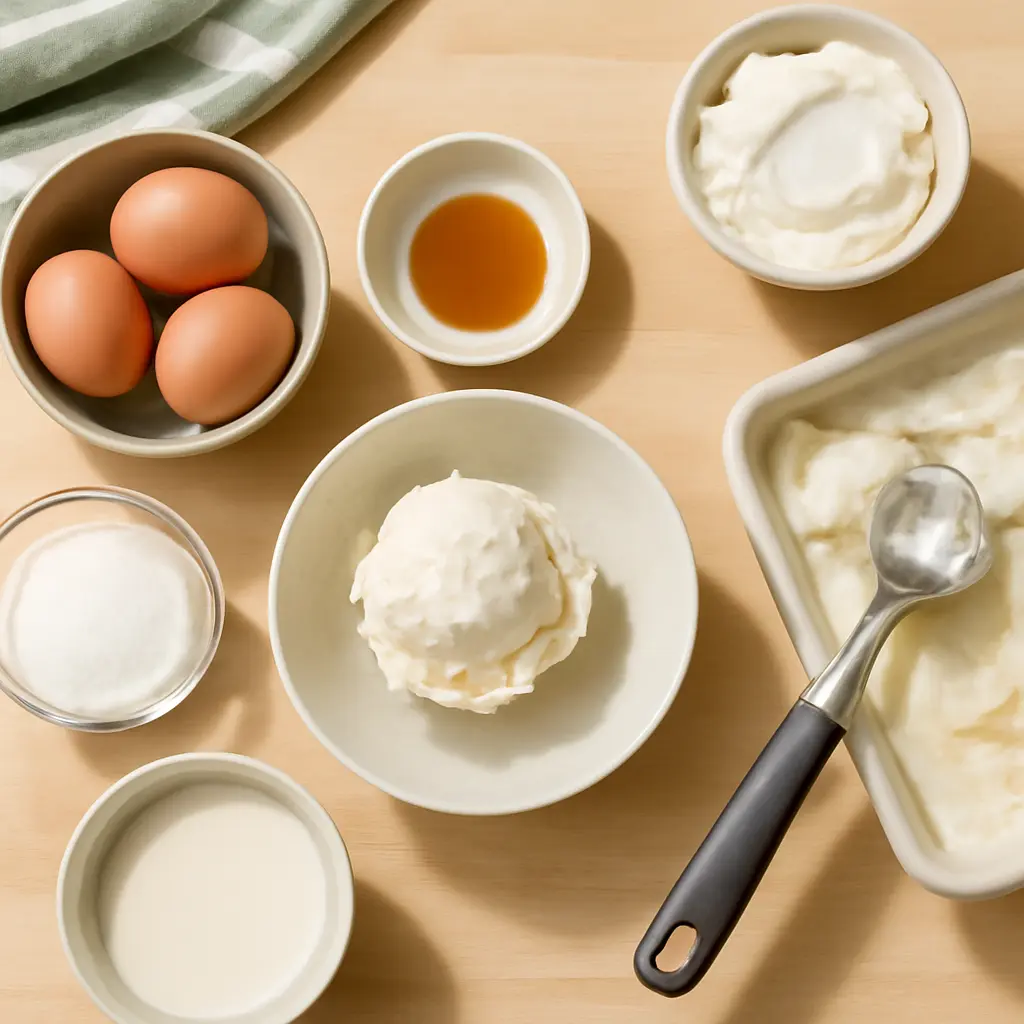
When making homemade ice cream, selecting high-quality ingredients is crucial to achieving the best flavor and nutritional profile. Here’s a closer look at the key components of this particular ice cream recipe:
Bananas
Bananas are not only a budget-friendly fruit but also a powerhouse of nutrients. One medium banana (approximately 7 inches long) provides about 105 calories, 27 grams of carbohydrates, and 3 grams of fiber. They are naturally low in sodium and fat, making them an ideal ingredient for a wholesome dessert.
Peanut Butter
Opt for natural peanut butter without added sugars or hydrogenated oils to maximize health benefits. Two tablespoons of peanut butter contain around 190 calories, 16 grams of fat (mostly healthy unsaturated fat), and 7 grams of protein. Peanut butter is also a good source of magnesium, which supports nerve and muscle function.
Cookies
For a healthier twist, choose cookies made with whole grain flour or oats. These can add additional fiber and nutrients such as iron and B vitamins. The amount of cookies used can be adjusted based on personal preference, keeping in mind their contribution to the overall calorie and sugar content of the ice cream.
Daily Use and Lifestyle Applications
Incorporating homemade ice cream into a balanced lifestyle requires mindful portion control and awareness of overall dietary habits. Here are some strategies to enjoy this dessert while maintaining a healthy lifestyle:
Portion Control
Enjoying ice cream in moderation is key to fitting it into a balanced diet. Consider serving smaller portions or using it as an occasional treat rather than a daily indulgence. Pairing ice cream with a serving of fresh fruit can enhance its nutritional value and create a more satisfying dessert.
Customization
Experiment with different flavors and ingredients to create ice cream that suits personal nutritional needs and preferences. For instance, adding chia seeds can increase fiber content, while incorporating dark chocolate can provide antioxidants. Dairy-free milk alternatives, like almond or coconut milk, can be used for those with lactose intolerance or dietary restrictions.
Physical Activity
Balancing calorie intake with physical activity is crucial for maintaining a healthy weight and overall well-being. After enjoying a serving of homemade ice cream, consider engaging in physical activities such as walking, cycling, or yoga to burn off extra calories and maintain energy balance.
Balanced Perspective and Safety
While homemade ice cream can be a delicious and nutritious treat, it’s essential to keep safety and dietary balance in mind:
Food Safety
Ensure that all ingredients used are fresh and stored correctly. When making ice cream, pay attention to hygiene practices, especially when handling perishable items like bananas and dairy products. Proper storage of the finished ice cream in a freezer-safe container is crucial to prevent spoilage and maintain quality.
Allergies and Sensitivities
For individuals with allergies or sensitivities, it’s vital to choose ingredients carefully. Substitute peanut butter with other nut or seed butters, like almond butter or sunflower seed butter, if necessary. Always check for potential allergens in cookies used.
Moderation in Indulgence
While this homemade ice cream offers some nutritional benefits, it remains a treat best enjoyed in moderation. Being mindful of added sugars and overall caloric intake is important, especially for those managing weight or blood sugar levels.
Conclusion
Homemade ice cream, particularly when featuring the delightful combination of cookies, peanut butter, and bananas, presents an opportunity to enjoy a delicious treat with nutritional benefits. By understanding the science behind the ingredients and applying practical lifestyle strategies, you can savor this dessert while maintaining a healthy and balanced diet. With creativity and mindful choices, homemade ice cream can be both a satisfying indulgence and a part of your wellness journey.


